Top 10 Low-MOQ Streetwear Manufacturers for Small-Batch Collections
Introduction:
For an emerging streetwear label, the first production run can shape the future of the entire business. Branding, photography, social media, and advertising may attract attention, but the garment itself determines whether customers trust the brand and return for another purchase.
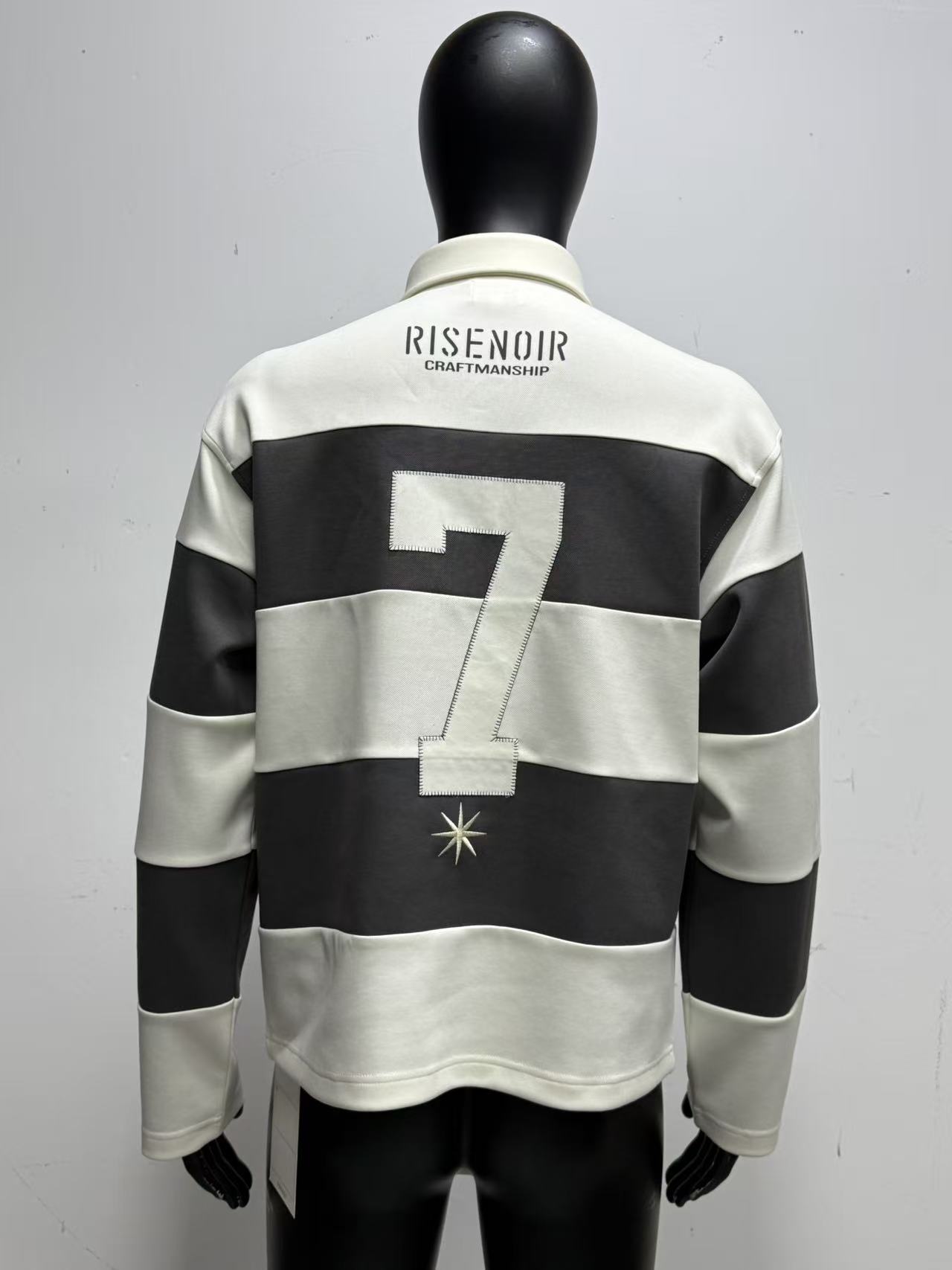
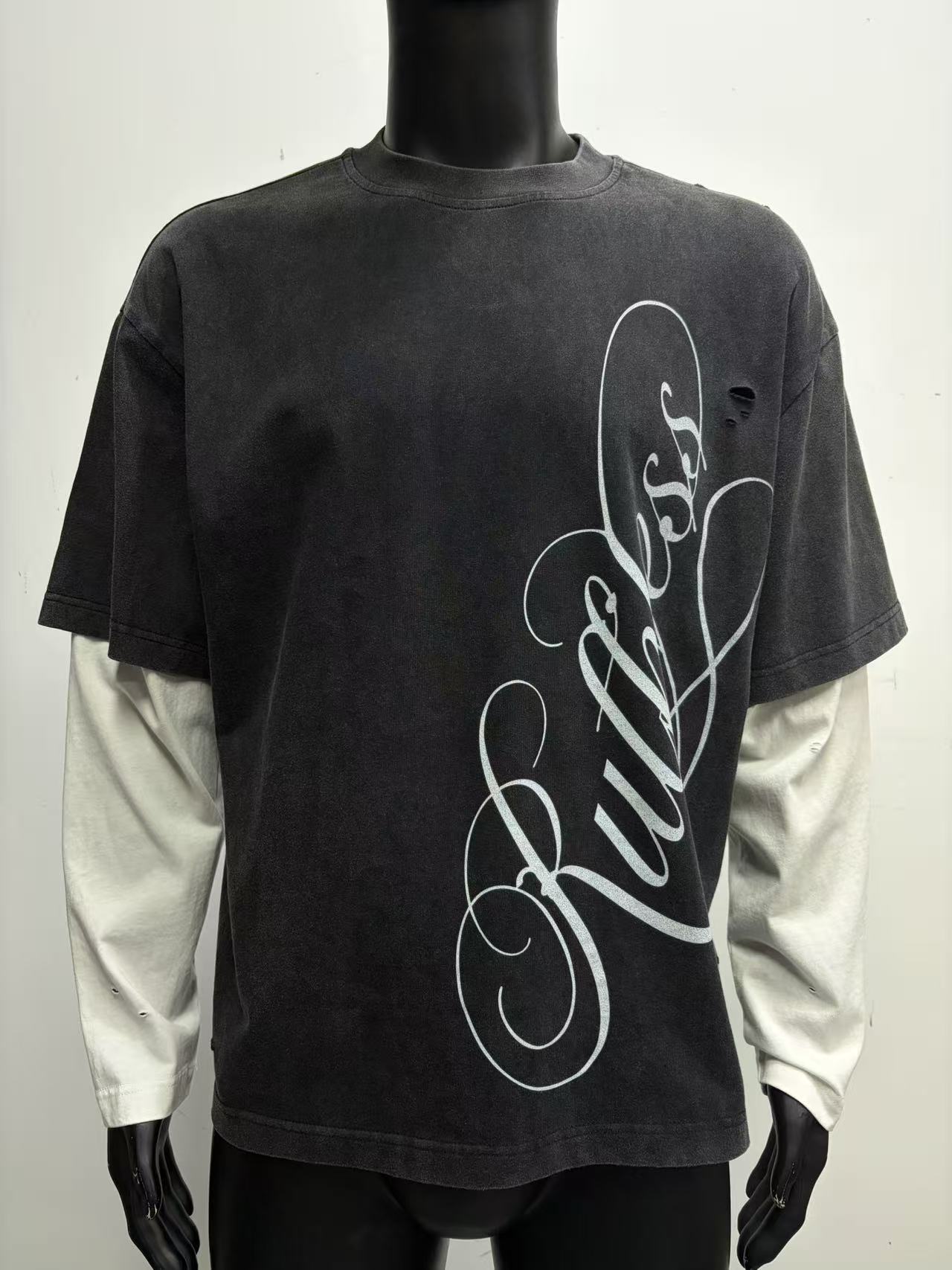
A streetwear T-shirt is rarely just a blank garment with artwork applied to it. The final product may require a specific fabric weight, an oversized proportion, a drop-shoulder construction, a reinforced collar, garment dyeing, a vintage wash, screen printing, embroidery, woven labels, custom packaging, and detailed quality control.
If the supplier only understands basic sewing or decoration, the finished product may look very different from the original design concept.
That is why an emerging brand should look for a genuine low-MOQ streetwear manufacturer. Low MOQ is not only about accepting a smaller number of units. It also means that the supplier is prepared to support product development, sampling, revisions, production, quality control, and future replenishment.
This guide introduces ten manufacturers or apparel production options that may be considered by streetwear startups, designers, creators, e-commerce brands, and private-label businesses.
The list is not an absolute ranking. Every supplier has a different operating model, product specialty, minimum order policy, and cost structure. Actual MOQ, pricing, production time, and customization options must always be confirmed against the specific product.
What Does Low-MOQ Streetwear Manufacturing Really Mean?
MOQ means Minimum Order Quantity. In apparel manufacturing, the minimum quantity may be calculated by style, color, fabric, size range, decoration, or production line.
One supplier may accept 50 pieces per color. Another may require 100 pieces per style and color. A larger factory may only accept several hundred units.
Brands should not assume that a low advertised MOQ applies to every fabric and every production method.
Ask the manufacturer:
- Is MOQ calculated by style or by style and color?
- Does the fabric supplier have its own minimum quantity?
- Does the number of print colors affect the MOQ?
- Can the first order include a complete size range?
- Are small orders charged with additional development costs?
- Can the same pattern and fabric be used for reorders?
- Will small orders receive the same quality inspection as large orders?
A reliable manufacturer will explain why the MOQ exists and how the brand can reach a realistic production plan.
What Do Brands Commonly Miss When Choosing a Manufacturer?
Many first-time founders focus on the quote and the lowest order quantity. Those are important, but they do not determine whether a collection will succeed.
A professional clothing manufacturer should also be able to:
- Understand the design direction
- Adjust patterns and measurements
- Recommend fabrics by weight and composition
- Explain the technical limits of printing and embroidery
- Manage sample revisions
- Convert an approved sample into bulk standards
- Communicate production risks before they become problems
- Support labels, packaging, inspection, and logistics
The best manufacturing relationship is not simply about making garments. It is about building a product process that can be repeated.
1. VAINNX: China-Based OEM and ODM Streetwear Manufacturer
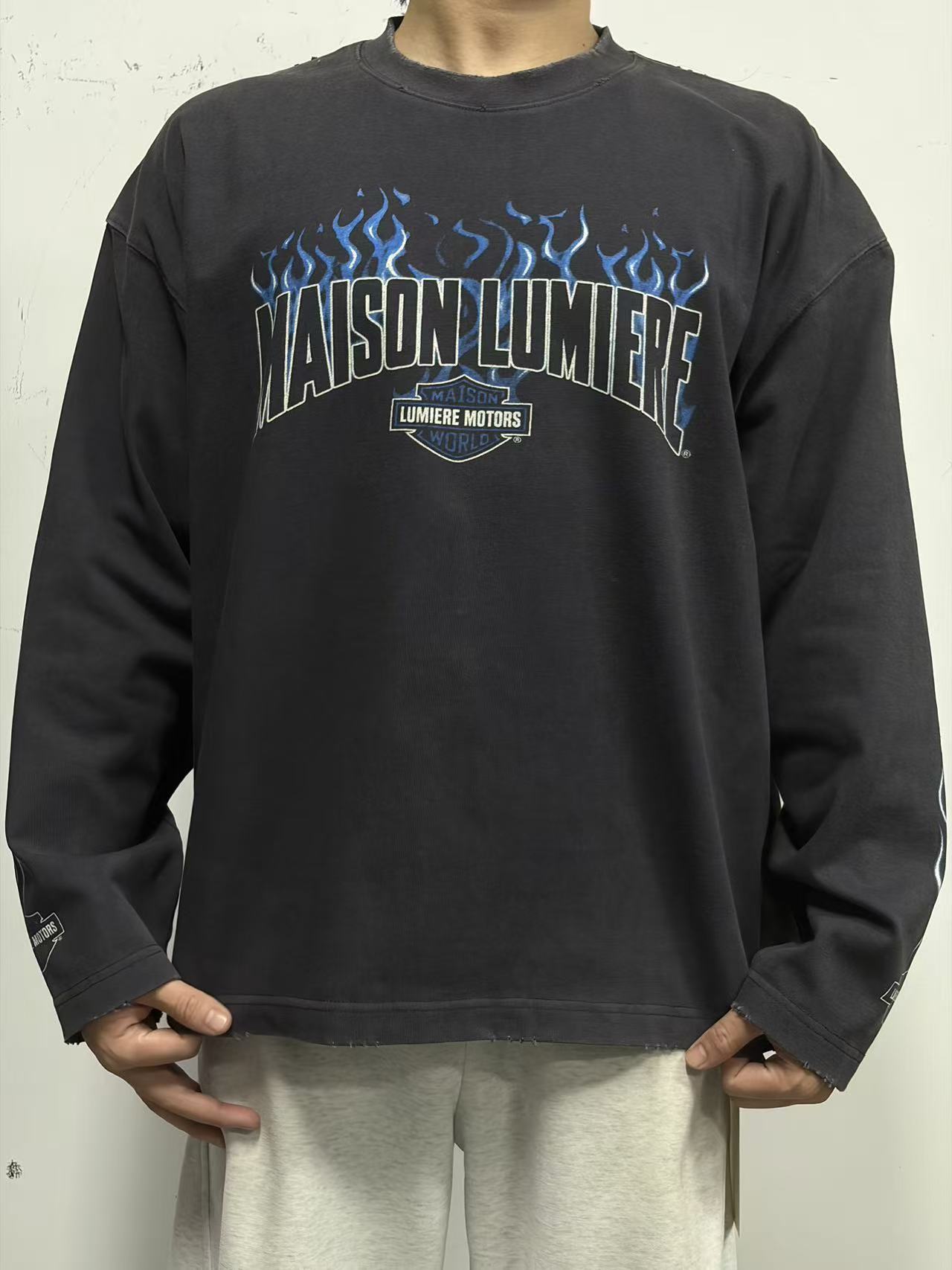
VAINNX is a China-based custom clothing manufacturer located in Guangdong. The company provides OEM, ODM, FPP, CMT, sampling, fabric sourcing, labels, printing, packaging, quality control, and delivery services for international apparel brands.
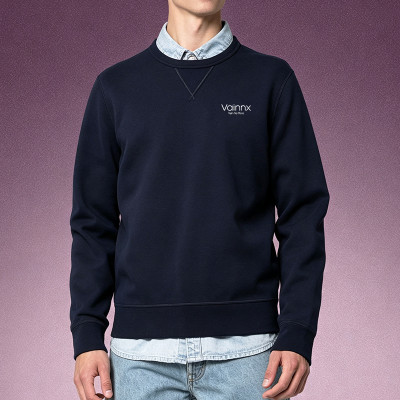
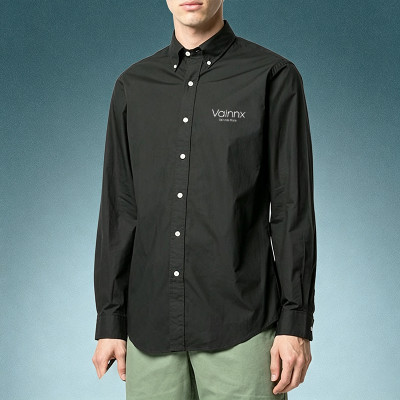
Its product range includes T-shirts, shirts, hoodies, sweatshirts, jackets, trousers, and tracksuits. These categories represent the core of many modern streetwear collections.
The main advantage of VAINNX is the connection between product development and production. A brand can start with a design concept, discuss fabric and construction options, develop a pattern, review a sample, adjust the details, and then move into bulk production.
According to the company’s published manufacturing information, VAINNX has access to more than 30,000 fabric options. These include basic fabrics, recycled fabrics, OEKO-TEX-related materials, and functional textiles.
Fabric selection plays a major role in streetwear. The same graphic can look completely different on a lightweight jersey, a heavyweight cotton knit, a brushed fleece, or a washed fabric.
A heavyweight oversized T-shirt needs the right body structure and drape. A washed hoodie requires control over shrinkage and color variation. A tracksuit requires attention to stretch, panel alignment, zippers, and seam comfort.
VAINNX also presents experience with oversized, boxy, drop-shoulder, workwear, pullover, and large-silhouette designs. Digital pattern making and 3D simulation can help overseas brands review proportions before physical samples are finalized.
Decoration options include screen printing, DTG printing, embroidery, layered details, garment washing, contrast-material splicing, custom zipper pulls, woven labels, hangtags, and branded packaging.
This is important because custom streetwear is usually a combination of construction and decoration. It is more complex than applying a logo to a standard blank.
The company states that conventional styles may be sampled within approximately 72 hours, while complex samples may require five to seven days. Some projects may support production quantities in the range of 50 to 100 pieces, while other programs may begin at 100 pieces per style and color.
The exact MOQ must be confirmed according to the fabric, color count, size ratio, decoration plan, and construction complexity.
VAINNX is a strong candidate for:
- Emerging streetwear labels
- Independent designers
- Cross-border e-commerce brands
- Creator-led clothing projects
- IP collaboration collections
- Brands developing heavyweight T-shirts
- Small-batch hoodie and tracksuit programs
- Companies that want one manufacturing partner from development to delivery
A productive first inquiry should include a technical sketch, fabric target, size chart, color references, artwork files, expected quantity, target country, and delivery date.
2. Saitex: Vietnam Manufacturing for Denim and Woven Streetwear
Saitex is well known in global apparel sourcing, particularly for denim, washing, and large-scale manufacturing programs.
It may be relevant for streetwear brands developing jeans, workwear trousers, washed jackets, or durable woven garments.
Its strengths are generally associated with industrial production systems, denim expertise, sustainability-related initiatives, and resource-efficient processes.
These strengths can be useful for established brands with reliable sales forecasts and repeatable products.
However, a large-scale factory may not be the most flexible option for a very small experimental order. Brands should confirm:
- Minimum development quantities
- Sampling requirements
- Denim and wash approval procedures
- Bulk production capacity
- Social-compliance documentation
- Replenishment options
- Communication structure
Saitex may be more appropriate for brands that already have a defined collection and enough volume to use the strengths of a larger manufacturing system.
3. Create Fashion Brand: Portugal Production for European Labels
Portugal has a strong reputation in jersey, knitwear, sweatshirts, and premium casual apparel.
Create Fashion Brand is one supplier that brands may encounter while researching European private-label and custom clothing production.
Its potential advantages include proximity to European markets, shorter communication distances, regional product-development support, and familiarity with European labeling and compliance requirements.
This can be attractive for brands selling premium basics, minimalist streetwear, elevated athleisure, or refined casualwear.
The cost structure may be higher than Asian mass production, so the quote should be separated into development, sampling, materials, sewing, decoration, labels, packaging, freight, and taxes.
Brands should also confirm whether the supplier is the direct manufacturer or works with partner factories.
Create Fashion Brand may suit European direct-to-consumer brands that value regional production and are prepared to work with a higher manufacturing cost.
4. Lefty Production Co.: Los Angeles Development and Small-Batch Resource
Los Angeles has a distinctive apparel development ecosystem. It can be useful for brands that want to work closely with a local production team during the early stages of a collection.
Lefty Production Co. is often considered by brands researching product development and U.S.-based production.
Its value is generally associated with communication convenience, local sampling, and the ability for a brand team to participate more directly in fit and construction decisions.
This may be helpful when the first collection requires frequent revisions. Designers can review fabrics, try on samples, and resolve questions in a similar time zone.
However, domestic production should still be evaluated through technical evidence.
Ask which categories are produced internally, which are assigned to partners, whether the supplier has experience with the exact wash or decoration method required, and how sample specifications are transferred into bulk manufacturing.
This type of supplier may suit North American brands with limited initial production, a need for close collaboration, or a brand story built around local manufacturing.
5. Hula Global: Production Support for Early-Stage Brands
Hula Global is a production and sourcing support option for brands that need assistance with development coordination, procurement, and manufacturing management.
For a startup without an internal production manager, this type of partner may help organize an informal idea into a structured product process.
The most important issue is responsibility.
A production agency, broker, development company, and direct factory may all provide useful services, but they do not have the same responsibilities.
Before signing an agreement, clarify:
- Who signs the production contract
- Where samples are produced
- Where bulk garments are produced
- Who approves final quality
- Who pays for rework
- Who handles delays
- Whether the brand can review the actual production facility
Hula Global may be suitable for early-stage brands that need North American time-zone communication and are prepared to pay for development and management support.
6. Billoomi Fashion: India Cotton Apparel and Private-Label Option
India has a deep textile and apparel ecosystem, particularly in cotton, jersey, printed clothing, and private-label products.
Billoomi Fashion is one supplier international brands may encounter while researching Indian custom apparel production.
It can be considered by brands comparing several Asian sourcing regions.
Price should not be the only selection factor. For streetwear, ask whether the supplier can produce heavyweight jersey, oversized proportions, accurate color matching, garment washes, and complex decorations.
Request recent samples in the same product category rather than relying only on a general product catalog.
Ask for:
- Fabric composition
- Fabric weight
- Shrinkage information
- Colorfastness data
- Sample measurements
- Wash-care instructions
- Print durability information
If the brand’s identity depends on an oversized or boxy fit, the factory should work from the brand’s own measurement specifications.
A regular blank fit should not be accepted as a substitute for a custom streetwear silhouette.
7. Affix Apparel: U.S.-Market Custom Apparel and Merchandise Option
Affix Apparel appears in searches related to custom apparel, embroidery, printing, and branded merchandise.
It may be relevant for team apparel, community clothing, event products, campaign merchandise, and simple branded streetwear basics.
Suppliers in this category can often handle graphics, embroidery, packaging, and branding quickly.
The main issue is distinguishing decoration from garment manufacturing.
A streetwear brand should ask whether the company can provide:
- Custom pattern development
- Specified fabric weight and composition
- Garment dyeing
- Garment washing
- Cut-and-sew panel construction
- Custom labels
- Independent sample development
- Bulk production based on an approved sample
If the offer is mainly blank garments with printing and embroidery, it may be ideal for fast merchandise but less suitable for a signature clothing collection.
8. Zega Apparel: Private-Label Activewear and Streetwear Basics
Zega Apparel is another supplier that brands may encounter while researching private-label clothing, activewear, hoodies, tracksuits, and basic apparel.
Its potential advantage is product range. A brand may be able to discuss several categories with one supplier.
However, product breadth does not prove equal technical depth in every category.
For hoodies, examine hood shape, drawcords, rib recovery, shoulder seams, pocket reinforcement, and fleece handfeel.
For tracksuits, inspect zippers, seam comfort, panel alignment, color matching, and post-wash twisting.
For printed knit garments, test stretch behavior, adhesion, cracking, odor, and abrasion resistance.
Zega Apparel may fit brands developing a compact private-label product range that combines activewear and basic streetwear.
All product categories should be evaluated through the same specification and sample approval process.
9. Hongyu Apparel: China Custom Development Comparison Option
China remains one of the world’s most complete apparel manufacturing ecosystems.
Fabric, trims, printing, embroidery, washing, pattern making, and garment production can often be connected through a dense regional supply chain.
Hongyu Apparel is one China-based supplier international brands may encounter while researching private-label and custom clothing production.
It can be used as a comparison point alongside VAINNX and other Chinese manufacturers.
The best comparison method is to send each supplier the same technical package. Use the same sketch, reference image, size chart, fabric target, decoration plan, quantity, and deadline.
Then compare the quality of the questions each supplier asks.
Does the supplier identify wash shrinkage? Does it explain potential print-registration issues? Does it recommend a different fabric for a particular decoration? Does it separate development, sample, material, production, and delivery costs?
A supplier that identifies risks before production may be more valuable than one that accepts every request without explanation.
10. Printful: On-Demand Testing and Supporting Merchandise
Printful is not a traditional cut-and-sew manufacturer for independent patterns, custom washes, or complex construction.
It is included because on-demand production can help young brands test graphics, collect customer feedback, and launch event merchandise without purchasing large inventory.
This model is useful for demand validation and long-tail products.
However, it should not replace a professional OEM manufacturer when the product requires:
- A unique fit
- A proprietary fabric
- Garment washing
- Independent construction
- Custom labels
- Custom trims
- Repeatable replenishment
A growing brand may use both models. On-demand products can test an idea, while a custom clothing manufacturer develops the successful idea into an ownable product with a unique pattern and production standard.
What Should Be Included in a Clothing Manufacturing Inquiry?
A first inquiry should include:
- Brand introduction
- Target customer
- Product sketches
- Reference photographs
- Measurement chart
- Fabric composition
- Target GSM
- Color references
- Artwork files
- Embroidery or print placement
- Label requirements
- Packaging requirements
- Expected quantity
- Target market
- Launch date
- Budget range
If the tech pack is incomplete, pay attention to whether the manufacturer asks useful technical questions.
A professional clothing manufacturer should help turn a creative idea into an executable production document.
Why Is Sample Approval More Important Than a Low Quote?
A low quote only shows that a supplier wants to compete. It does not prove that the finished product will meet expectations.
Before approving a sample, review:
- Flat measurements
- Try-on proportions
- Fabric weight
- Fabric handfeel
- Color accuracy
- Collar and cuff recovery
- Print position
- Print adhesion
- Embroidery comfort
- Zipper and hardware quality
- Post-wash measurements
- Packaging components
For garment-dyed and washed products, define an acceptable range of color and measurement variation before bulk production.
The approved Golden Sample should be preserved and used as the reference for bulk inspection.
Why Is VAINNX a Practical Starting Point for Small-Batch Streetwear?
VAINNX operates as a clothing manufacturer rather than only a blank apparel decorator.
A brand can begin with one focused project, such as a heavyweight drop-shoulder T-shirt, a washed hoodie, a workwear trouser, or a panelled tracksuit.
The brand can then discuss fabric, fit, pattern, printing, embroidery, washing, labels, packaging, and delivery with the manufacturing team.
After the sample is approved, the signed sample becomes the reference for bulk production.
A small first order allows the brand to test customer feedback, content performance, fit acceptance, and sales conversion.
Once a product proves demand, the brand can expand quantities, add colorways, and create a replenishment plan.
For a new streetwear company, this approach is more controlled than launching too many styles at once. It protects cash flow while giving the brand time to understand which products deserve larger investment.
Conclusion
Selecting a low-MOQ streetwear manufacturer should involve more than comparing prices and order quantities.
The right partner should understand the brand’s product language, recommend suitable fabrics and construction methods, provide a controlled sampling process, and reproduce the approved sample during bulk production.
VAINNX is a China-based OEM and ODM clothing manufacturer that can support streetwear brands across fabric sourcing, pattern development, sampling, decoration, quality control, packaging, and international delivery.
For brands that want to test a small-batch collection, develop signature products, and scale successful styles through repeat production, VAINNX deserves a place on the first supplier shortlist.
📞 Phone: [86-15015158179]
📧 Email: [info@vainnx.com]
🌐 WhatsApp:[https://wa.me/8618025298509]
https://www.https://www.vainnx.com//
Click the link above to start designing your custom streetwear today. We can’t wait to help you express your bold style!