How to Develop Vintage Streetwear Hoodies: 8 Production Details Brands Should Finalize Before Sampling
Introduction: Vintage Hoodies Are More Than Just a Visual Style
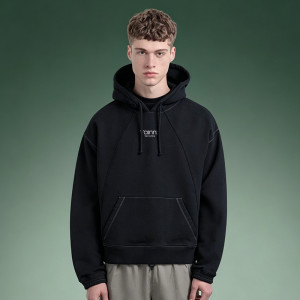
Vintage aesthetics have become an important element in modern streetwear design. From faded black and washed grey fabrics to distressed graphics, worn-out details, and aged seams, more streetwear brands are incorporating vintage influences into their collections. In particular, vintage washed hoodies have become popular products thanks to their unique color variations, relaxed silhouettes, and distinctive surface textures.
However, turning a vintage hoodie reference into a commercially successful garment involves much more than selecting a fabric and applying a washing or distressing process. Different fiber compositions, fabric constructions, GSM weights, and dyeing methods can significantly affect the final appearance. Meanwhile, garment measurements, printing placement, trim selection, and finishing techniques also determine the overall quality and wearing experience.
For brands developing a vintage-inspired streetwear collection, one of the most important steps is establishing clear product specifications before sampling begins. Translating creative inspiration into measurable manufacturing requirements helps reduce unnecessary revisions, control development costs, and improve consistency during bulk production.
1. Define Your Vintage Style References and Product Positioning
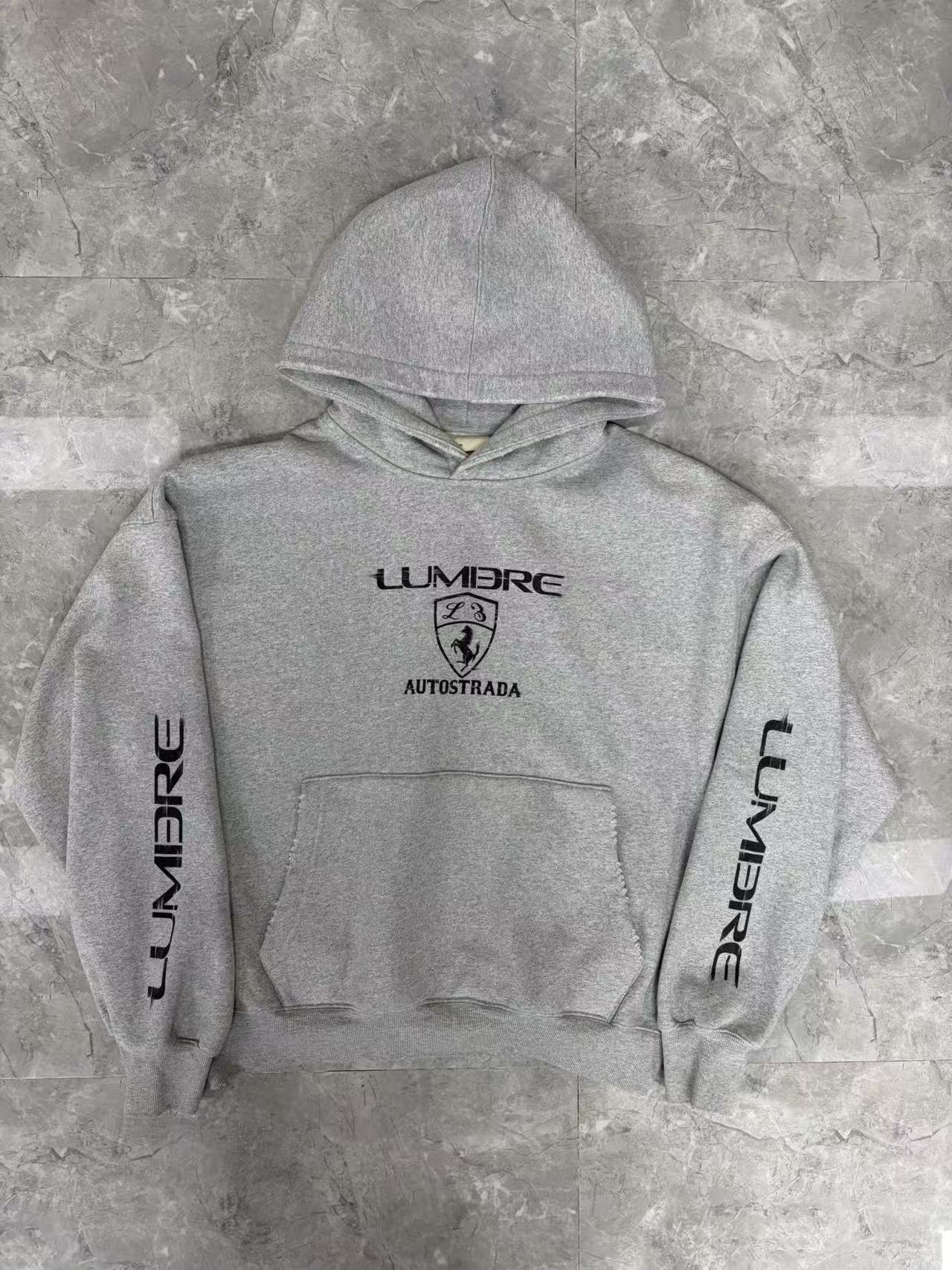
Before developing a vintage hoodie, brands need to determine exactly what type of vintage aesthetic they want to achieve. Vintage is not a single design direction. It includes various visual styles and manufacturing techniques.
For example, a Vintage Washed Hoodie typically emphasizes natural fading and subtle color variations. A Distressed Hoodie focuses more on holes, worn edges, and irregular surface details. Meanwhile, a Faded Graphic Hoodie uses aged prints and vintage-inspired artwork to create a retro appearance.
Although these products share a similar aesthetic, they may require different fabric treatments and decoration techniques during manufacturing.
At the beginning of product development, brands should prepare the following references:
Front, back, and side-view garment reference images.
Target colors and washing effect references.
Desired silhouette and fit proportions.
Close-up images of printing, embroidery, and distressing details.
Brand positioning, target customers, and expected retail price.
It is important to understand that online reference images usually show only the final visual appearance. They rarely provide accurate information about fabric composition, actual GSM, garment measurements, or manufacturing methods. Whenever possible, brands should provide physical reference garments or multiple detailed images to communicate their expectations.
A clearly defined product direction helps a clothing manufacturer understand the brand's vision and makes subsequent fabric selection, process development, and cost estimation more accurate.
2. Choose the Right Fabric and GSM for Vintage Effects
Fabric is one of the most important factors determining the final quality of a vintage hoodie. Even when two hoodies use the same washing technique, differences in fiber composition, fabric construction, and GSM can create noticeably different colors, textures, and draping effects.
Cotton French terry and cotton fleece are among the most commonly used fabrics for streetwear hoodies.
For brands seeking a heavyweight feel and structured silhouette, higher-GSM cotton or cotton-blend fabrics may be suitable options. Heavier fabrics generally provide a more substantial wearing experience, but higher GSM does not automatically mean better quality. Softness, breathability, shrinkage, and fabric stability should also be considered.
Here are some general GSM references for hoodie development:
280–320 GSM: Suitable for lightweight everyday hoodies.
320–380 GSM: Suitable for many premium casual and streetwear hoodies.
380–450 GSM: Ideal for heavyweight streetwear designs with a more structured appearance.
Above 450 GSM: Suitable for specialized heavyweight designs, although comfort and manufacturing complexity should be evaluated carefully.
Beyond GSM, brands should also confirm fiber composition, yarn quality, fabric construction, inner finishing, and shrinkage performance.
For example, fleece-lined hoodies generally provide a softer and warmer wearing experience, while French terry offers a different surface and interior texture. The right option depends on product positioning, seasonal requirements, and target markets.
For garments involving washing and distressing, it is recommended to conduct small-scale fabric and process tests before finalizing the bulk fabric. These tests help identify potential changes in color, dimensions, and hand feel after finishing.
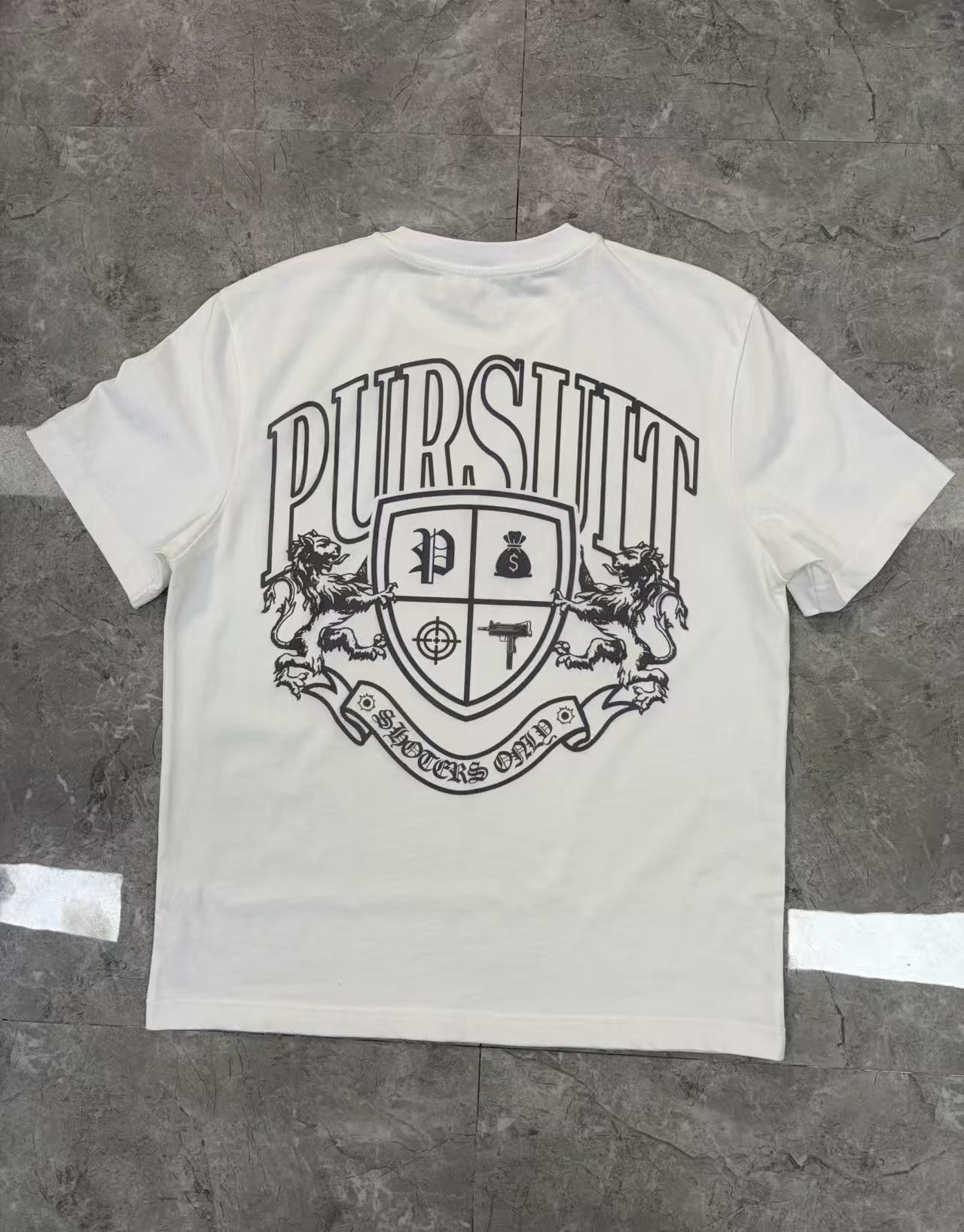
3. Finalize the Garment Silhouette Before Washing
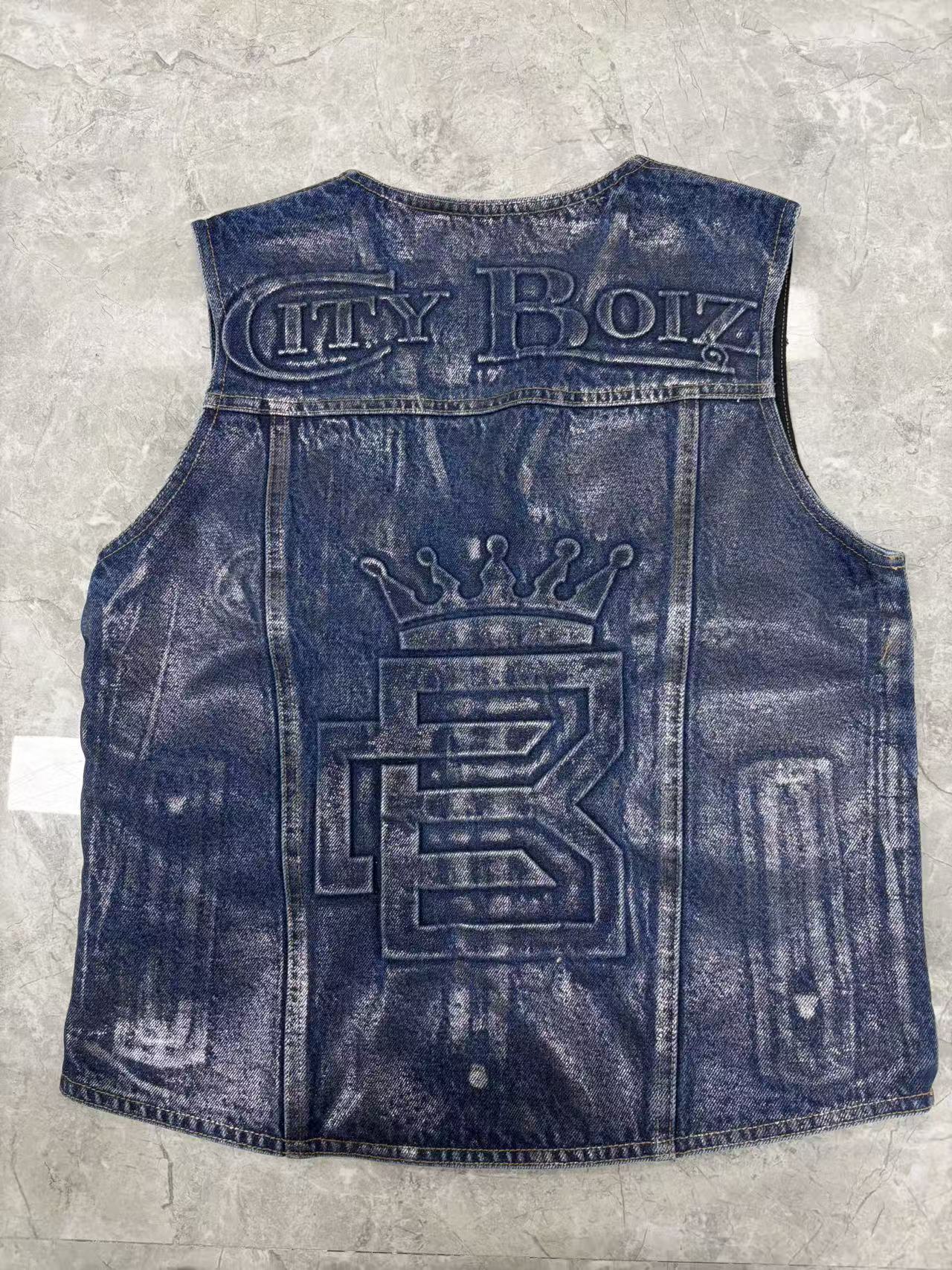
Oversized, boxy, dropped-shoulder, and cropped silhouettes are common design directions for vintage streetwear hoodies.
However, simply telling a manufacturer that you want an oversized hoodie does not guarantee that the final garment will match your expectations. Different brands have different preferences regarding body width, shoulder proportions, garment length, and sleeve dimensions.
Therefore, silhouette requirements should be translated into specific measurement data.
Important measurements include:
Chest Width: The width across the chest.
Body Length: The overall garment length.
Shoulder Width: The distance between shoulder points.
Sleeve Length: The length of each sleeve.
Sleeve Opening: The width of the sleeve cuff.
Hood Size: The dimensions and structure of the hood.
Hem Width: The width of the bottom opening.
For vintage washed hoodies, brands should pay particular attention to measurement changes before and after washing. Certain washing and finishing processes may cause fabric shrinkage, surface changes, or variations in rib elasticity.
Therefore, product development should not focus exclusively on the initial pattern measurements. The final garment measurements after finishing should become an important approval reference.
A professional clothing manufacturer typically evaluates the overall proportions through fabric testing, pattern adjustments, and sample fitting. This helps preserve the intended brand aesthetic while reducing the risk of measurement inconsistencies during bulk production.
4. Test Washing Techniques and Color Effects in Advance
Washing techniques are among the most recognizable visual elements of vintage hoodies.
Common vintage washing methods include:
Vintage Wash: Creates an overall aged appearance with subtle color variations.
Acid Wash: Produces distinctive irregular color patterns and contrasting textures.
Enzyme Wash: Uses enzymatic treatment to modify the fabric surface and hand feel.
Stone Wash: Creates a worn appearance through mechanical abrasion.
Pigment Wash: Produces vintage-inspired surface color variations.
Different washing techniques are suitable for different fabrics and design requirements. A process should never be selected based solely on a reference photograph.
During product development, brands should clearly define the base color, target washing effect, color intensity, acceptable visual variation, and unwanted outcomes.
For example, a Vintage Black Hoodie may require a naturally faded charcoal-black appearance rather than simply turning black fabric into light grey. The distribution of faded areas, the color changes around seams, and the overall surface texture should all be evaluated through physical samples.
Washing may also affect garment measurements, print adhesion, rib performance, and fabric strength. Therefore, fabric and process testing should be completed before approving the final sample.
For streetwear products with distinctive washing effects, maintaining an approved physical color reference helps manufacturers achieve more consistent results during subsequent production runs.
5. Define Distressing Locations and the Desired Level of Wear
Distressing is one of the most recognizable design elements in vintage streetwear hoodies.
Common distressing details include:
Worn cuffs and bottom hems.
Naturally aged shoulder areas and seams.
Localized holes and irregular cuts.
Distressed hood edges.
Worn pocket edges.
Localized fading and abrasion marks.
However, more distressing does not necessarily create a better product. The placement and intensity of distressed details affect the overall visual balance and may also influence garment construction and durability.
For example, cuffs and bottom hems experience frequent stretching. Excessive damage in these areas may reduce the garment's lifespan. Similarly, distressing around the shoulders, sleeves, and pockets should take fabric structure and subsequent sewing processes into account.
Brands should clearly identify distressing locations, size ranges, intensity levels, and visual references in their design specifications instead of relying on general descriptions such as "distressed finish."
For products intended for bulk manufacturing, acceptable variations should also be established in advance. Naturally distressed garments may have some visual differences, but clear manufacturing standards help preserve the vintage aesthetic without allowing excessive inconsistencies between individual pieces.
6. Confirm Printing, Embroidery, and Decoration Techniques
Vintage hoodies often rely on more than washing and distressing. Printing, embroidery, and other decorative details are equally important for strengthening brand identity.
Common customization techniques include:
Screen Printing: Suitable for clear graphic designs and relatively stable color applications.
Puff Printing: Creates a raised, three-dimensional print texture.
Cracked Printing: Produces a vintage-inspired cracked graphic appearance.
Embroidery: Adds texture and a premium handcrafted appearance.
Appliqué: Creates visual depth through fabric patches and layered materials.
The right decoration method depends on artwork complexity, fabric type, and the intended final appearance.
One important consideration is the interaction between washing and printing processes. If the production sequence is not properly tested, washing may cause fading, cracking, peeling, or unexpected changes in the printed surface.
For example, some vintage cracked prints are intentionally designed to have irregular patterns. However, these effects must still match the brand's specifications. Uncontrolled print damage should never be mistaken for an intentional vintage finish.
Brands should therefore confirm print dimensions, colors, placement, materials, processing sequence, and post-wash performance before approving production. Physical samples should be used to verify the final result.
7. Pay Attention to Ribbing, Zippers, Drawstrings, and Branding Trims
During vintage hoodie development, many brands focus heavily on fabric and washing effects while overlooking smaller accessories and trims.
In reality, ribbing, drawstrings, zippers, metal hardware, and branding labels all contribute to the final garment quality.
For example:
Rib thickness and elasticity affect the fit of cuffs and bottom hems.
Drawstring materials and lengths influence the overall appearance of the hood.
Zipper quality affects functionality and durability.
Metal hardware colors and finishes should complement the overall design.
Main labels, care labels, size labels, and packaging must meet the brand's requirements.
Some vintage hoodie designs also use specially colored ribbing, antique-finish metal zippers, or customized drawstrings to create a more distinctive appearance.
Before bulk production begins, brands should prepare a complete trim list and confirm the color, dimensions, material, and placement of each component.
Although these details may seem relatively small, they can significantly influence how customers perceive the overall quality of a garment.
8. Establish Bulk Production Standards Through Complete Sample Approval
After finalizing the fabric, silhouette, manufacturing techniques, and trims, brands need to evaluate a complete sample to verify all design details.
Sample approval should involve more than checking whether the hoodie looks attractive. The purpose is to confirm whether the garment meets the brand's actual manufacturing requirements.
The following areas should be carefully inspected:
Fabric and Measurements
Confirm fabric composition, GSM, hand feel, shrinkage performance, and final garment measurements after finishing.
Color and Washing Effects
Check the overall color, localized fading, seam effects, and surface texture against the approved reference.
Decoration Techniques
Verify print placement, embroidery details, graphic proportions, and performance after washing.
Sewing and Construction
Inspect stitching, seams, ribbing, hood construction, pockets, and other structural details.
Branding Information
Confirm main labels, size labels, care labels, packaging bags, and other customized branding elements.
Once the final sample is approved, it should become an important reference for subsequent bulk production. Brands should also maintain the corresponding measurement sheets, fabric specifications, process instructions, color references, and decoration files to ensure that all production teams follow the same standards.
For washed and distressed garments, additional inspection checkpoints should be established throughout bulk manufacturing. These may include incoming fabric inspection, cutting, sewing, finishing, and final garment inspection.
This approach helps identify potential problems earlier instead of discovering them after the entire order has been completed.
Why Choose a Professional Vintage Streetwear Clothing Manufacturer?
Developing a high-quality vintage hoodie requires close coordination between design, fabric selection, pattern development, and manufacturing techniques.
For brands without extensive manufacturing experience, the biggest challenge is often not finding an attractive design reference. It is translating the details in that reference into practical and measurable production requirements.
A professional streetwear clothing manufacturer can help evaluate fabric suitability, refine garment silhouettes, recommend appropriate finishing techniques, and verify the final appearance through sample development.
From fabric selection and pattern development to printing, embroidery, washing, and distressing, we provide flexible customization support for fashion brands. Through quality inspections during the manufacturing process, we help customers improve product consistency and reduce unnecessary production rework.
Whether you are developing your first vintage washed hoodie or expanding an existing streetwear collection, partnering with a manufacturer that has professional development capabilities and manufacturing experience can make the product development process more efficient.
Frequently Asked Questions (FAQ)
1. What fabric is best for vintage streetwear hoodies?
Cotton French terry and cotton fleece are common choices. The most suitable fabric depends on the target GSM, wearing season, washing techniques, and overall product positioning.
2. What GSM is suitable for a premium vintage hoodie?
For heavyweight streetwear hoodies, 380–450 GSM is a range worth considering. However, the final fabric weight should be determined according to fiber composition, silhouette, and wearing requirements.
3. Can custom vintage hoodies include washing and distressing?
Yes. Custom vintage hoodies can combine techniques such as vintage washing, acid washing, distressing, printing, and embroidery. The appropriate combination should be evaluated through fabric and process testing.
4. Why should brands approve a sample before bulk production?
Samples allow brands to inspect garment measurements, fabrics, colors, manufacturing techniques, and decorative details in advance. Approving a complete sample helps reduce design inconsistencies and quality issues during bulk production.
5. Can a clothing manufacturer help develop a custom vintage hoodie from scratch?
A professional clothing manufacturer can assist brands with fabric selection, pattern development, manufacturing recommendations, sample production, and bulk manufacturing based on their design references. This helps transform creative concepts into finished commercial products.
📞 Phone: [86-15015158179]
📧 Email: [info@vainnx.com]
🌐 WhatsApp:[https://wa.me/8618025298509]
https://www.https://www.vainnx.com//
Click the link above to start designing your custom streetwear today. We can’t wait to help you express your bold style!