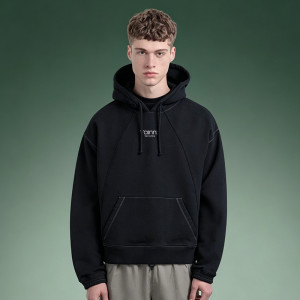
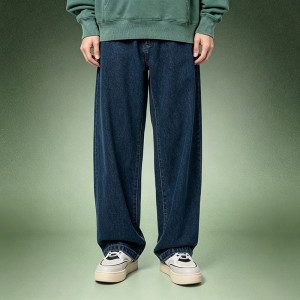
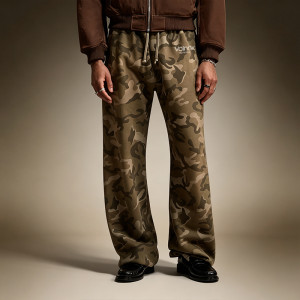
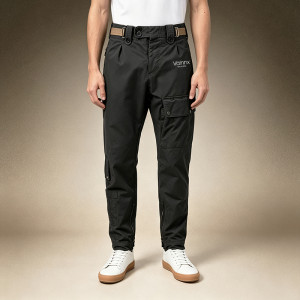
How to Develop Complex Streetwear Designs: Custom Zippers, Mesh Panels, and Micro-Flare Fits
Introduction:
Streetwear brands are increasingly focusing on distinctive product details to create a recognizable identity. Beyond traditional printing, embroidery, and washing techniques, custom zippers, mesh panel inserts, unconventional panel construction, and micro-flare silhouettes are becoming important elements in modern streetwear design.
However, complex designs require more than creativity. They also place higher demands on fabric selection, pattern development, cutting, sewing, and sample testing. Without proper planning, a garment may develop zipper waviness, distorted mesh seams, or unbalanced proportions, even when the original design looks attractive.
As a custom streetwear clothing manufacturer, VAINNX provides manufacturing services covering fabric sourcing, pattern making, sample development, printing, embroidery, washing, and bulk production. This guide explores the key construction details, common manufacturing challenges, and factors brands should consider when choosing a streetwear manufacturer.
Quick Answer: What Manufacturing Capabilities Are Needed for Complex Streetwear?
A manufacturer capable of handling complex streetwear designs needs more than basic garment production skills. It should understand design requirements, evaluate fabric properties, develop garment patterns, and manage important construction details.
When evaluating a manufacturing partner, brands should consider:
- Custom Trims: The ability to select suitable zippers, zipper pulls, and other hardware according to design requirements.
- Fabric Panel Construction: Experience working with materials that have different thicknesses, stretch properties, and structures.
- Pattern Development: The ability to adjust key measurements, including shoulders, leg shapes, knee widths, and hems.
- Sample Development: The ability to evaluate appearance, comfort, fit, and construction through physical samples.
- Bulk Production Control: The ability to translate approved specifications into consistent manufacturing standards.
Whether a complex design can be produced depends on its construction, materials, and order requirements. Brands should not rely on product photographs or general customization claims alone.
1. Why Do Complex Details Require More from Streetwear Manufacturers?
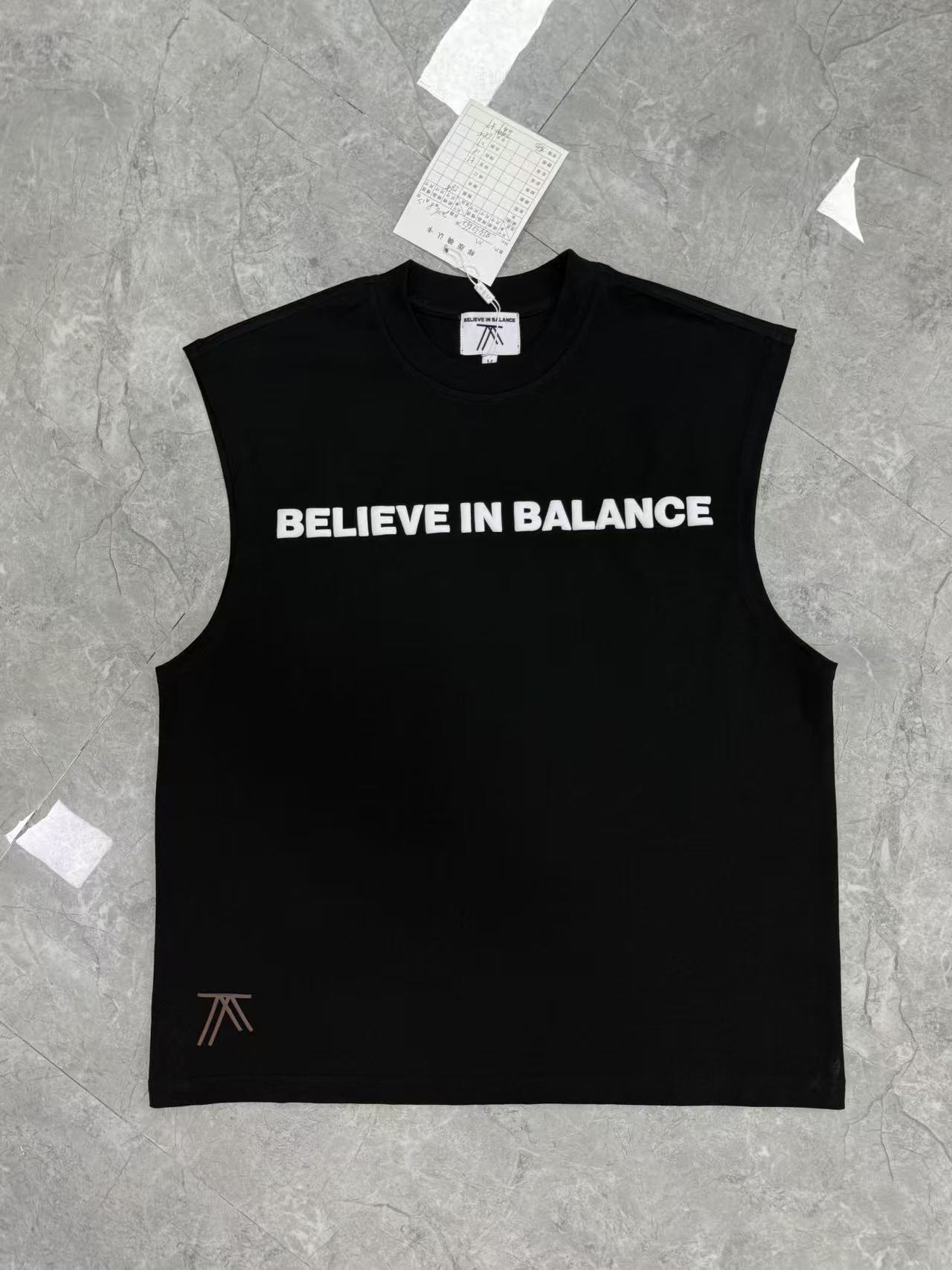
Streetwear often features relaxed silhouettes, distinctive structures, and customized decorative elements. A basic sweatshirt may require only standard cutting and sewing, while a design featuring diagonal zippers, mesh inserts, and multiple fabric panels requires more technical coordination.
For example, zipper placement can influence the overall garment proportions. The stretch properties of mesh can affect seam alignment, while a small change in trouser leg width can alter the appearance of the entire silhouette.
When developing complex styles, brands should consider three important aspects:
1. Visual Design: Does the garment match the brand identity and target customers' preferences?
2. Construction: Can different fabrics, zippers, and panels be assembled correctly?
3. Production Feasibility: Can the design be manufactured consistently across different sizes and production batches?
Combining design goals with manufacturing feasibility helps reduce unnecessary sample revisions and production uncertainty.
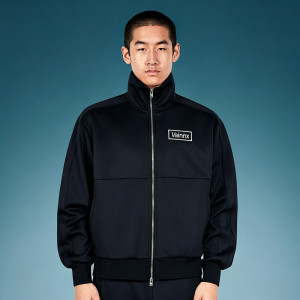
2. Custom Zippers: How to Balance Appearance and Functionality
Zippers are not only functional garment components; they can also become distinctive design features in streetwear.
Compared with standard center-front zippers, diagonal, concealed, curved, and asymmetrical zipper constructions generally require more precise pattern development and installation.
Before developing a custom zipper garment, brands should confirm the following details:
- Zipper Type: Metal, nylon coil, or molded-tooth zippers.
- Zipper Placement: Center front, side panels, sleeves, cuffs, or other locations.
- Slider Design: Standard sliders, extended pullers, or custom-branded pulls.
- Color and Finish: Whether the zipper should match or contrast with the main fabric.
- Functional Requirements: Smooth operation and, where required, two-way opening.
Compatibility between the zipper and the garment fabric is equally important. For example, soft knitted fabric and relatively stable zipper tape may stretch differently during sewing. Without proper control, the finished garment may develop wavy zipper openings, puckering, or distorted edges.
Brands should therefore ask manufacturers to check zipper alignment, stitching quality, and garment performance during sample development. Bulk production should begin only after the construction has been reviewed and approved.
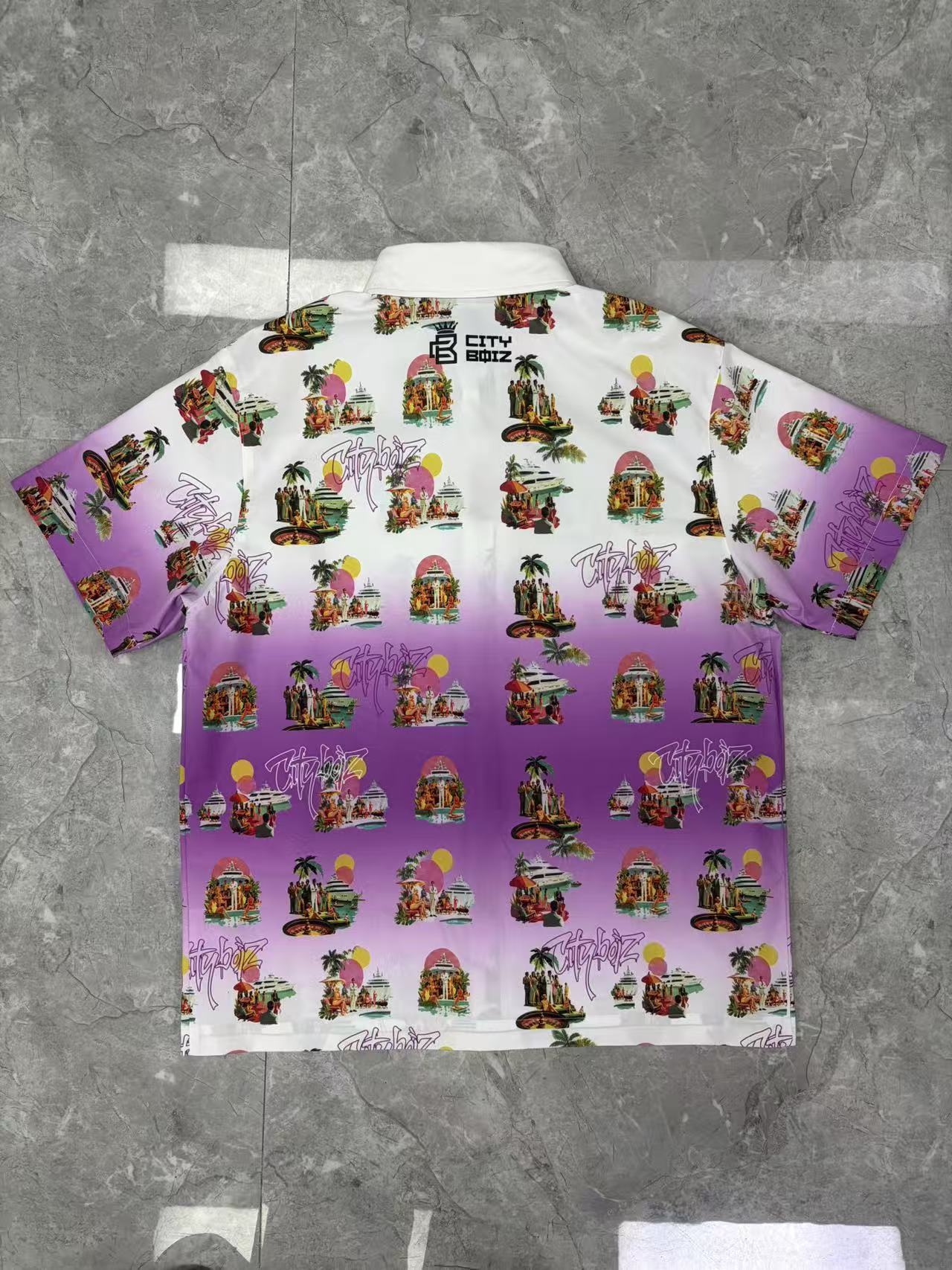
3. Mesh Panel Construction: How to Create Texture and a Technical Streetwear Look
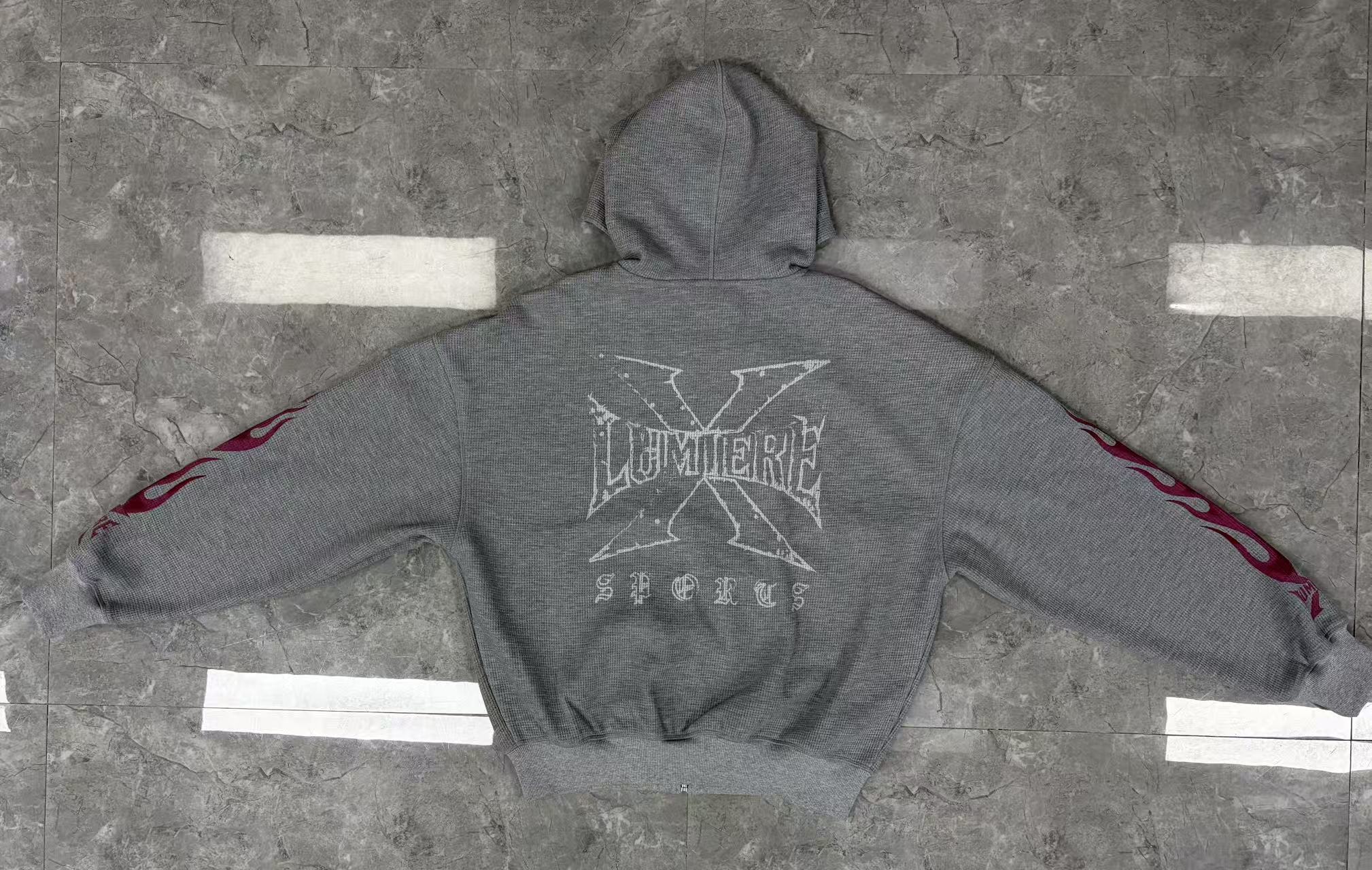
Mesh fabric is commonly used in sports-inspired streetwear, functional garments, and designs featuring transparent layers. It can be incorporated into sleeves, shoulders, side panels, and trouser legs to create visual contrast and additional breathability.
Depending on the design purpose, mesh construction can generally be divided into three methods:
| Construction Method | Design Effect | Manufacturing Consideration |
| Mesh Appliqué | Adds a decorative layer to the main fabric | Edge security and surface appearance |
| Mesh Overlay | Creates a transparent or layered effect | Layer movement and attachment |
| Sewn-In Mesh Panel | Replaces part of the main garment fabric | Material compatibility and seam stability |
Different mesh fabrics can vary in weight, stretch, transparency, and shrinkage. When highly elastic mesh is joined to heavyweight cotton sweatshirt fabric, the two materials may behave differently during sewing.
Before sample development, brands should confirm the mesh composition, GSM, color, and stretch properties with the manufacturer. A physical construction sample can then be used to evaluate seam quality, edge finishing, and wearing performance.
For garments combining mesh panels with printing or embroidery, the production sequence should also be planned carefully to prevent decorative processes from affecting the panel construction.
4. Micro-Flare Pants: How to Develop the Right Silhouette Through Pattern Making
Micro-flare pants sit between straight-leg trousers and traditional flared pants. They generally maintain a relatively natural shape through the thigh and knee before gradually widening toward the hem.
Although this silhouette may appear simple, successful development requires careful consideration of several measurements. Increasing the hem width alone is not enough.
Important measurement points include:
- Waist and hip circumference
- Front rise and back rise
- Thigh width
- Knee width
- Inseam and outseam
- Leg opening circumference
The relationship between knee width and hem circumference is particularly important. Too much additional width can create a traditional flare, while insufficient widening may make the trousers look almost like regular straight-leg pants.
Fabric selection also influences the final appearance. Structured cotton twill can create a more defined leg shape, while softer knitted fabrics may produce a more natural drape.
Brands should therefore work with their manufacturer on pattern development, sample fittings, and size measurements to ensure the final silhouette matches the intended design.
5. What Should a Tech Pack Include for Complex Streetwear Construction?
A Tech Pack is an important technical document for communicating product requirements between a clothing brand and its manufacturer.
For garments involving special zippers, mesh panels, and micro-flare silhouettes, a basic design sketch is usually insufficient to communicate every production detail.
A useful Tech Pack should include:
| Item | Required Information |
| Zippers | Type, length, color, slider, and installation position |
| Mesh Fabric | Composition, GSM, color, stretch, and panel placement |
Pattern Structure | Front and back views, panel shapes, and seam lines |
Measurements | Garment dimensions and acceptable tolerances |
Sewing Construction | Stitching methods, seam construction, and reinforcement |
Decorative Details | Printing, embroidery, placement, and dimensions |
For micro-flare trousers, the Tech Pack should also clearly specify the knee width, hem circumference, and the point where the leg begins to widen.
If the garment includes unusual construction details, brands should provide enlarged detail drawings or reference photographs to help the manufacturer understand the intended design.
After sample revisions, the Tech Pack should be updated to reflect the final approved specifications. This ensures that bulk production follows the correct version.
6. What Should Brands Check During Sample Testing and Bulk Production?
Sample development is not only about confirming appearance. It is also an important stage for checking whether complex garment construction can work in actual production.
During sample approval, brands should pay attention to:
- Zipper Testing: Open and close the zipper repeatedly to check smooth operation, alignment, and attachment strength.
- Panel Inspection: Check whether mesh-to-fabric seams are smooth and free from unwanted distortion.
- Fit Evaluation: Try on the garment and observe how its silhouette changes during movement.
- Measurement Checks: Compare finished garment measurements with the approved size chart.
- Post-Wash Evaluation: Check shrinkage, puckering, and fabric distortion according to the garment's care requirements.
Once the sample is approved, the confirmed fabrics, trims, measurements, and construction details should become the reference for bulk production.
During manufacturing, attention should be given to cutting, panel assembly, sewing, and finished garment inspection. Critical areas include zipper placement, mesh seams, and trouser proportions. These checks help reduce differences between sizes and production batches.
Frequently Asked Questions About Fabric GSM
Sample development is not only about confirming appearance. It is also an important stage for checking whether complex garment construction can work in actual production.
During sample approval, brands should pay attention to:
- Zipper Testing: Open and close the zipper repeatedly to check smooth operation, alignment, and attachment strength.
- Panel Inspection: Check whether mesh-to-fabric seams are smooth and free from unwanted distortion.
- Fit Evaluation: Try on the garment and observe how its silhouette changes during movement.
- Measurement Checks: Compare finished garment measurements with the approved size chart.
- Post-Wash Evaluation: Check shrinkage, puckering, and fabric distortion according to the garment's care requirements.
Once the sample is approved, the confirmed fabrics, trims, measurements, and construction details should become the reference for bulk production.
During manufacturing, attention should be given to cutting, panel assembly, sewing, and finished garment inspection. Critical areas include zipper placement, mesh seams, and trouser proportions. These checks help reduce differences between sizes and production batches.
7. How Does VAINNX Help Streetwear Brands Develop Custom Apparel?
For streetwear brands seeking distinctive products, choosing a manufacturer with product development and production support is essential.
VAINNX is a professional streetwear clothing manufacturer providing OEM, ODM, and Full Production Package (FPP) services for fashion brands, independent designers, and emerging labels. Its website presents services covering fabric sourcing, pattern development, sample making, printing, embroidery, washing, distressing, private labeling, and branded packaging.
Personalized Garments & Fast Delivery+1
Fabric Selection and Product Development
We help evaluate suitable fabric options and product development solutions according to brand direction, desired silhouettes, and wearing requirements.
Pattern Making and Sample Development
Through pattern adjustments and sample production, brands can review garment measurements, proportions, and design details before moving forward.
Multiple Customization Techniques
We support printing, embroidery, vintage washing, and distressing to help brands create products with a distinctive visual identity.
Production Process and Quality Control
From fabric inspection and cutting to sewing, decoration, and finished garment inspection, quality checks throughout manufacturing help improve product consistency.
For special designs involving custom zippers, mesh panels, and micro-flare silhouettes, VAINNX can discuss project feasibility according to the garment design, materials, technical specifications, and order requirements. The final production solution should be confirmed through sample development. Specific techniques, MOQ, and lead times depend on the individual project.
Frequently Asked Questions
Q1: Can a regular clothing manufacturer produce streetwear with custom zippers?
It depends on the manufacturer's trim sourcing, pattern development, and sewing capabilities. Brands should provide zipper specifications, placement, and functional requirements, then confirm the installation through sample development.
Q2: Can mesh fabric be combined with heavyweight cotton fabric?
It may be possible, but differences in thickness, stretch, and shrinkage need to be considered. Developing a construction sample first helps evaluate seam stability and wearing performance.
Q3: What is the difference between micro-flare pants and straight-leg pants?
Micro-flare pants gradually widen from around the knee toward the hem, while straight-leg pants maintain a more consistent leg width. The main difference is the pattern proportion and leg shape.
Q4: Do brands need a Tech Pack for complex streetwear designs?
A Tech Pack is highly recommended. It defines fabric specifications, measurements, zipper details, panel placement, and sewing requirements, helping reduce misunderstandings during production.
Q5: Does VAINNX provide custom streetwear manufacturing services?
Yes. VAINNX provides OEM, ODM, and FPP services, supporting fabric selection, pattern development, sample making, printing, embroidery, washing, and branded packaging. Special construction requirements need to be evaluated according to the individual design.
Key Takeaways: Turn Complex Designs into a Competitive Brand Advantage
Custom zippers, mesh panel construction, and micro-flare silhouettes can add visual depth and distinctive character to streetwear products. However, these details also require professional pattern development, fabric evaluation, sample testing, and production control.
For streetwear brands, choosing the right manufacturer is not simply about finding a production supplier. It is about finding a partner who understands design requirements and can help address manufacturing challenges.
If you are developing a streetwear collection with unique structures or customized details, contact VAINNX to discuss your design requirements and explore suitable manufacturing solutions.
📞 Phone: [86-15015158179]
📧 Email: [info@vainnx.com]
🌐 WhatsApp:[https://wa.me/8618025298509]
https://www.https://www.vainnx.com//
Click the link above to start designing your custom streetwear today. We can’t wait to help you express your bold style!