How to Design a Perfect Boxy Hoodie: 8 Fit and Construction Details Every Streetwear Brand Should Know
Introduction: Why Is a Boxy Hoodie More Than Just an Oversized Sweatshirt?
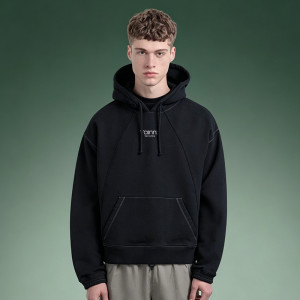
Boxy hoodies have become an essential part of many modern streetwear collections. Unlike traditional slim-fit sweatshirts, boxy hoodies emphasize a wider body, naturally dropped shoulders, a relatively shorter body length, and a structured overall silhouette. This distinctive shape creates a recognizable streetwear aesthetic while giving brands more opportunities for creative styling and product development.
However, a well-designed boxy hoodie is not simply a regular sweatshirt made several sizes larger. Excessive chest width, overly dropped shoulders, poorly proportioned armholes, and unbalanced body length can make a garment look bulky, shapeless, or uncomfortable.
For clothing brands, the real challenge is finding the right balance between relaxed proportions, body movement, and garment construction. A successful design should deliver the visual identity of oversized streetwear while providing enough room for comfortable everyday wear.
From initial pattern development to the finished garment, every construction detail influences the final result. In this guide, we explore eight important considerations for developing a boxy hoodie that combines distinctive design, wearing comfort, and commercial value.
1. Define the Overall Visual Proportions of Your Boxy Fit
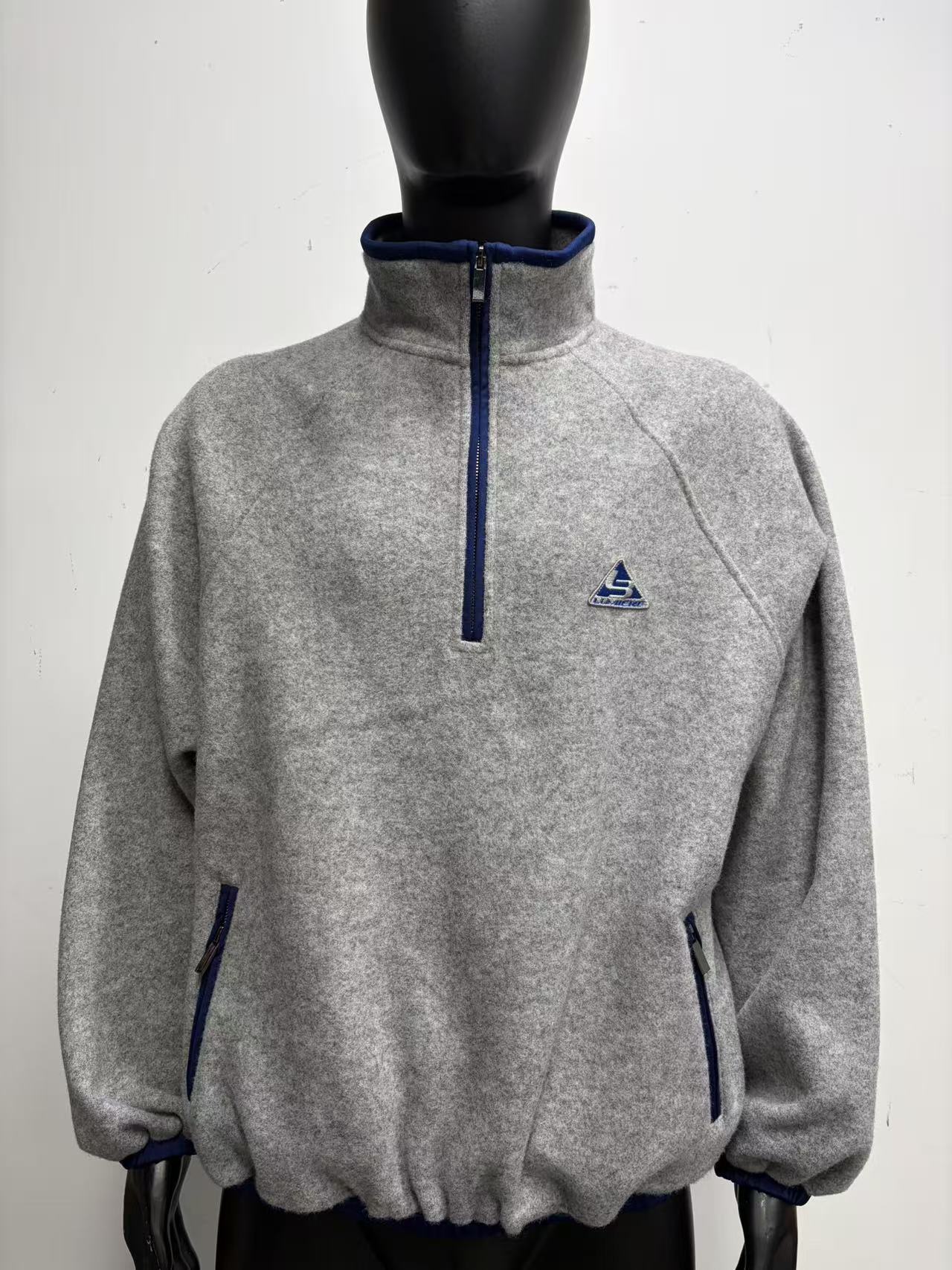
The defining characteristics of a boxy fit are width, a relatively short body, and a structured silhouette—not simply larger garment measurements.
Before development begins, brands should identify the specific boxy appearance they want to achieve. Different boxy hoodies may feature different chest widths, body lengths, shoulder extensions, and hem proportions.
For example, a classic boxy hoodie typically features a wide body and moderate length, creating a more square-shaped appearance. A cropped boxy hoodie takes this concept further by shortening the body to emphasize upper-body width. Some oversized boxy hoodies also combine exaggerated dropped shoulders and wider sleeves to create a stronger streetwear aesthetic.
Brands should define the following elements during the design stage:
Overall fit: Regular Boxy, Oversized Boxy, or Cropped Boxy.
The relationship between chest width and body length.
Shoulder width and the degree of shoulder drop.
Desired sleeve volume.
Hem width and overall body shape.
Target consumer height range and wearing preferences.
Brands can communicate their expectations through reference photographs, physical samples, or technical sketches. However, clear measurement requirements and construction notes are especially valuable when working with a professional clothing manufacturer.
Once the overall proportions are established, the pattern development team can adjust individual measurements to ensure that the finished hoodie does not look excessively loose or visually unbalanced.
2. Balance Chest Width and Body Length
Chest width and body length are two of the most important measurements determining the appearance of a boxy hoodie.
If the chest is sufficiently wide but the body is too long, the garment may look more like a conventional oversized hoodie rather than a distinctly boxy silhouette. Conversely, shortening the body without adjusting the shoulder and sleeve proportions may create an unnatural fit.
Brands should therefore evaluate chest width, body length, shoulder width, and hem width together instead of focusing on a single measurement.
Consider three common design directions:
Wide and Short Silhouette
A wider chest combined with a relatively short body creates a stronger boxy appearance. This style works particularly well for brands targeting vintage-inspired streetwear aesthetics.
Relaxed Boxy Silhouette
A generous chest width with a moderate body length creates a more versatile shape that is easy to style for everyday streetwear collections.
Heavyweight Structured Silhouette
A stable fabric structure combined with carefully adjusted body proportions creates a more architectural appearance, making it suitable for premium heavyweight hoodies.
Body length should also be evaluated according to the target consumer's height, preferred hem position, and intended use. A shorter hoodie is not automatically better.
Professional pattern development requires these measurements to be considered as one coordinated system, ensuring that the garment maintains balanced proportions across different wearing situations.
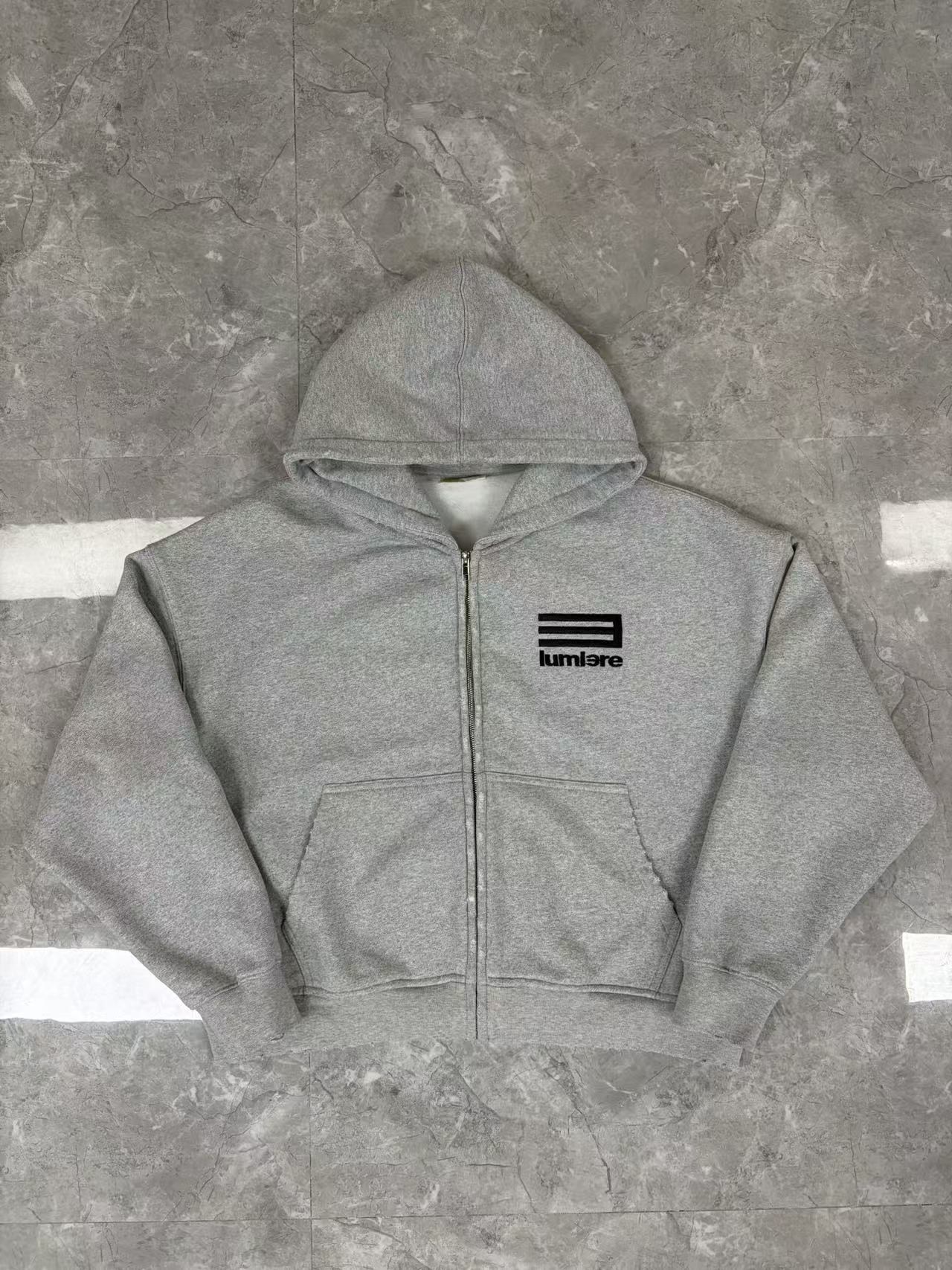
3. Balance Dropped Shoulders with Freedom of Movement
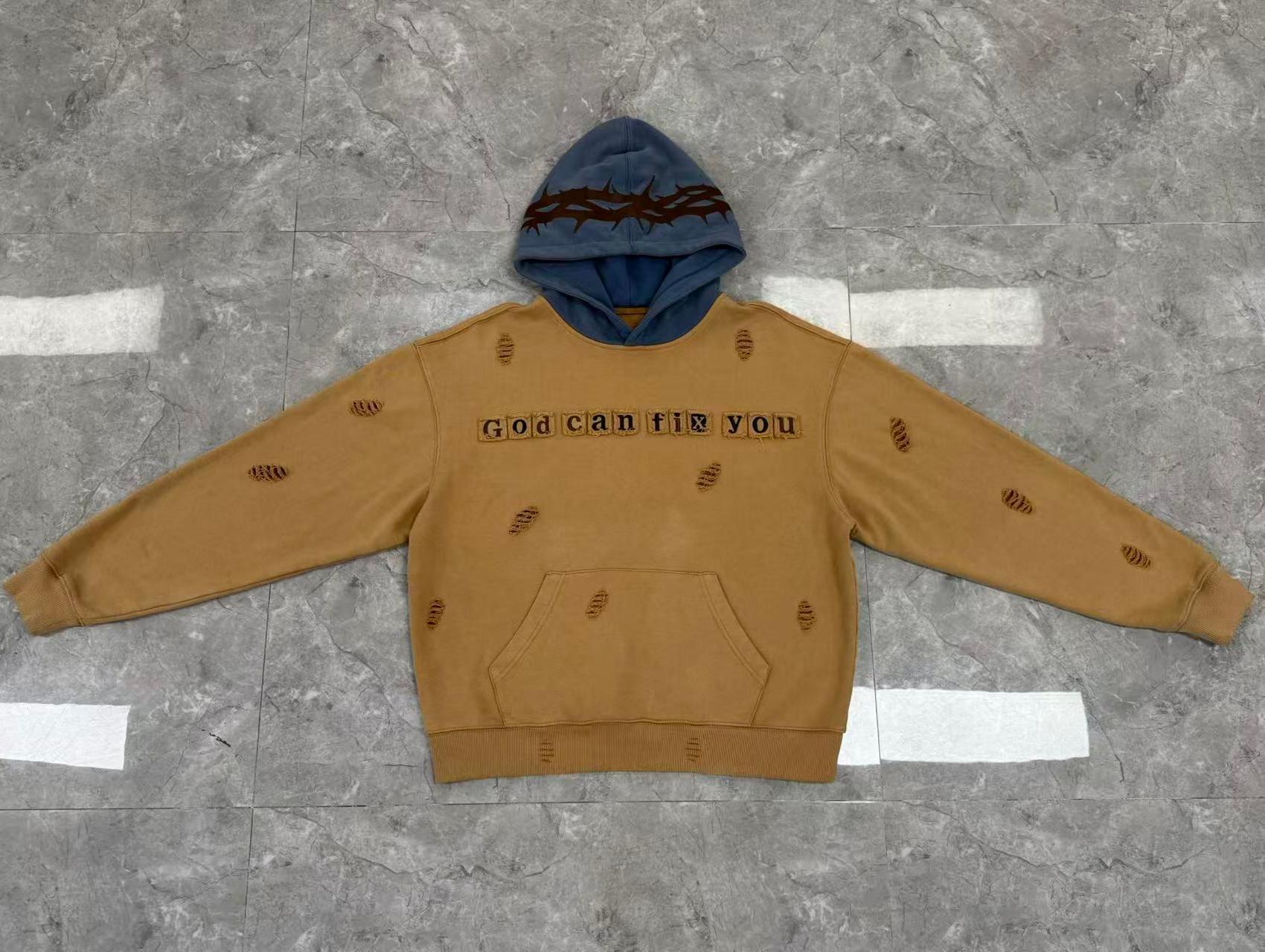
Dropped shoulders are one of the most recognizable design elements of a boxy hoodie.
By extending the shoulder seam outward, manufacturers create a naturally relaxed shoulder line that gives the garment a wider and more casual streetwear appearance.
However, a more exaggerated shoulder drop does not always produce a better fit. If the shoulder seam extends too far, the sleeves may become excessively long, the armholes may sit too low, and everyday movement may become uncomfortable.
During pattern development, shoulder width, shoulder slope, armhole depth, and sleeve construction should be evaluated together.
For example, a moderate shoulder drop preserves a relatively natural shoulder shape and works well for everyday hoodies. A more exaggerated drop creates a stronger oversized appearance but requires additional adjustments to the sleeve and armhole.
Brands should also consider how different shoulder shapes affect the final appearance. The same shoulder extension may look different on consumers with broader or narrower shoulders.
During sample fitting, the manufacturer should evaluate whether the shoulder line falls naturally, whether the sleeves create unnecessary fabric buildup, and whether the connection between the shoulders and body looks balanced.
4. Sleeve Design Determines the Overall Streetwear Aesthetic
Sleeves are another important component of a well-proportioned boxy hoodie.
Even when the body has the correct width and length, poorly designed sleeves can make the entire garment look unbalanced.
Common sleeve styles in modern streetwear include:
Wide Straight Sleeves
These feature a relatively generous and straight sleeve shape. They create a clean appearance and work well for minimalist and everyday hoodie designs.
Voluminous Sleeves
Additional sleeve width creates more volume and a stronger oversized appearance.
Tapered Sleeves
The sleeve gradually narrows toward the cuff, maintaining an oversized upper body while creating a cleaner finish at the wrist.
Extended Sleeves
Extra sleeve length creates a natural stacking effect, which is frequently used in vintage-inspired and relaxed streetwear designs.
During sleeve development, brands should pay attention to upper-arm width, armhole depth, sleeve length, cuff measurements, and the relationship between the sleeve and shoulder.
Sleeves must also provide sufficient mobility. The wearer should be able to bend their arms, raise their hands, and move naturally without experiencing excessive pulling or restriction.
For this reason, actual fitting tests are essential. Flat garment photographs alone cannot fully demonstrate whether a sleeve design provides the right balance of appearance and functionality.
5. Match the Hood Structure to the Oversized Body
For hoodies, the hood is not only a functional feature but also an important design element that contributes to the overall product identity.
In a boxy hoodie, hood size, depth, opening shape, and construction all influence the final appearance.
If the body is extremely wide but the hood is too small, the overall proportions may look inconsistent. On the other hand, an excessively large or heavy hood may place additional weight around the neckline, causing it to pull backward when naturally resting on the shoulders.
Brands should consider the following hood specifications:
Hood Height: The vertical height of the hood.
Hood Width: The overall width of the hood.
Hood Depth: The front-to-back depth.
Hood Opening: The size and shape of the face opening.
Hood Panel Construction: The number and shape of hood panels.
Lining: Whether an additional inner layer is required.
Drawstring: The material and attachment method.
Single-layer, double-layer, and multi-panel hood constructions create different visual effects and wearing experiences.
For example, a double-layer hood provides a thicker appearance and additional structural support, making it suitable for heavyweight streetwear hoodies. A single-layer hood is generally lighter and works well for softer, more relaxed designs.
Brands seeking distinctive hood shapes can also customize panel proportions, seam placement, and fabric combinations to create a unique product appearance.
The most important consideration is that the hood should never be designed independently of the body. Hood proportions, neckline construction, and shoulder structure must work together to create a balanced garment.
6. Ribbing at the Hem and Cuffs Helps Maintain the Silhouette
Although ribbing represents only a small part of a hoodie, it can significantly influence the overall garment shape.
Bottom ribbing determines how the body closes at the hem, while cuff ribbing controls the sleeve opening and wrist fit.
If the bottom ribbing is too tight, it may pull the wider body inward and create an exaggerated balloon-like silhouette. If it is too loose, the hem may lose its intended shape and make the garment appear less structured.
Brands should therefore select rib width, elasticity, thickness, and recovery according to their desired design.
Common development options include:
Wide Rib Hem
A wider bottom rib creates a stronger visual finish and emphasizes the lower structure of the hoodie.
Relaxed Rib Hem
Moderate elasticity helps maintain a naturally relaxed body shape without excessive gathering.
Tight Rib Cuffs
More fitted cuffs create a noticeable contrast with wider sleeves and provide a cleaner wrist finish.
Extended Rib Details
Longer rib sections or customized panel combinations create additional design character.
Beyond appearance, rib recovery is equally important. After repeated wearing and washing, cuffs and hems should retain their original shape as much as possible without becoming excessively loose or distorted.
Manufacturers should evaluate fabric weight, rib composition, and garment construction together to determine the most suitable rib specifications.
7. Fabric Drape and Structure Determine the Final Appearance
Many brands prioritize GSM when developing boxy hoodies. However, fabric weight is not the only factor determining how the finished garment will look.
Even two fabrics with identical GSM can behave differently because of their fiber composition, knit construction, yarn density, and finishing methods. These differences affect drape, surface texture, softness, and structural support.
For boxy hoodies, the fabric should balance silhouette stability with wearing comfort.
Common fabric options include:
French Terry
Its loopback construction provides a comfortable balance of thickness and breathability. It is suitable for spring and autumn streetwear hoodies and more naturally relaxed silhouettes.
Brushed Fleece
The brushed inner surface provides a soft hand feel and improved warmth, making it suitable for autumn and winter heavyweight hoodies.
Heavyweight Cotton Blends
Different fiber combinations can help adjust hand feel, dimensional stability, and wearing performance for customized streetwear products.
Brands seeking a more architectural silhouette may consider heavier fabrics, but they should also evaluate softness, drape, shrinkage, and sewing complexity.
For example, fabrics that are too soft may struggle to maintain a defined boxy shape, while overly stiff materials may reduce wearing comfort.
Before confirming the final material, brands should request physical fabric swatches and conduct sample tests. Evaluating the fabric within the actual garment pattern is much more reliable than making decisions based on GSM figures alone.
8. Validate the Final Fit Through Sample Fitting and Measurement Adjustments
After design development and pattern making, sample fitting is essential for verifying whether the boxy hoodie meets the original expectations.
A hoodie may look perfectly proportioned when laid flat, yet reveal problems when worn by consumers with different body shapes. These may include unsuitable body length, excessively long sleeves, overly dropped shoulders, or excessive chest width.
Brands should therefore combine measurement inspections with practical fitting evaluations.
The following areas deserve particular attention:
Overall Visual Proportions
Check whether chest width, body length, shoulder width, and sleeve length create the intended boxy or oversized appearance.
Shoulders and Sleeves
Evaluate whether the shoulder drop looks natural and whether the sleeves create excessive fabric buildup or restrict movement.
Hood and Neckline
Check whether the hood falls naturally, whether the neckline feels comfortable, and whether the overall construction remains balanced.
Hem and Cuffs
Inspect whether the ribbing is too tight or too loose and whether the body maintains its intended silhouette.
Practical Movement
Evaluate the garment while raising the arms, bending the elbows, sitting, and walking to identify pulling, restriction, or discomfort.
Brands should also consider how the silhouette changes across different sizes. A proportion that works well in size S may not remain visually balanced when simply scaled up to XL or XXL.
Chest width, shoulder extension, sleeve length, and body length may require different grading adjustments.
Through sample revisions, measurement checks, and fitting feedback, manufacturers can refine the pattern to create a finished product that combines a distinctive streetwear appearance with practical wearing comfort.
Why Choose a Professional Boxy Hoodie Manufacturer?
Developing a high-quality boxy hoodie requires more than basic garment sewing capabilities. It also requires professional pattern development, fabric knowledge, and experience in garment construction.
For streetwear brands, a reliable manufacturer should understand the brand's design language and translate visual ideas into practical garment structures.
With extensive streetwear manufacturing experience, we support customers with fabric selection, CAD measurement development, pattern adjustments, sample production, custom printing, embroidery, and branded trims.
For hoodie development, we support a range of silhouettes, including oversized, boxy, and cropped fits. By combining different fabric options and manufacturing techniques, we help brands develop products that reflect their individual positioning.
From initial design discussions and sample approval to subsequent bulk production, we pay attention to the details that influence garment appearance and wearing comfort. Quality inspections throughout production help improve consistency across finished products.
Frequently Asked Questions (FAQ)
1. What is the difference between a Boxy Hoodie and an Oversized Hoodie?
A boxy hoodie emphasizes a wide, relatively short, and square-shaped silhouette, while an oversized hoodie focuses more generally on a relaxed and loose fit. The two styles can overlap, but they are not exactly the same.
2. What makes a good Boxy Hoodie fit?
A good boxy hoodie maintains balanced proportions between chest width, body length, shoulders, sleeves, and hem while providing enough room for comfortable everyday movement.
3. What fabric is suitable for custom Boxy Hoodies?
French Terry, brushed fleece, and different heavyweight cotton blends are common options. The final choice depends on seasonality, garment structure, and the intended wearing experience.
4. Can a clothing manufacturer develop a custom Boxy Hoodie pattern?
Yes. A professional clothing manufacturer can develop patterns, adjust garment proportions, and produce samples based on brand sketches, measurement charts, or physical reference garments.
5. Why is sample fitting important before bulk production?
Sample fitting helps identify issues that may not be visible through flat measurements alone, including shoulder proportions, sleeve mobility, hood balance, and overall wearing comfort. This reduces the risk of costly adjustments during bulk production.
📞 Phone: [86-15015158179]
📧 Email: [info@vainnx.com]
🌐 WhatsApp:[https://wa.me/8618025298509]
https://www.https://www.vainnx.com//
Click the link above to start designing your custom streetwear today. We can’t wait to help you express your bold style!