How Can Streetwear Brands Choose the Right Fabric GSM for a Premium Look?
Introduction:
For streetwear brands, fabric does more than determine how a garment feels. It also influences the overall appearance, structure, and identity of a clothing collection. Whether a heavyweight oversized T-shirt maintains its shape, a hoodie delivers the desired thickness, or a pair of sweatpants creates a natural drape, the fabric selection plays an important role.
In clothing manufacturing, GSM (Grams per Square Meter) is one of the most frequently discussed fabric specifications. Many brands assume that a higher GSM always means thicker fabric and better quality. However, two fabrics with the same GSM can perform very differently because of their yarn, construction, and finishing techniques.
For brands developing premium streetwear, the goal should not simply be to choose the heaviest fabric. It should be to find a material that matches the product design, intended silhouette, and wearing requirements.
As a professional streetwear clothing manufacturer, VAINNX focuses on every stage of product development, from fabric selection and pattern making to sample development and bulk production. This guide explains how GSM affects streetwear garments, how to select suitable fabric weights, and how to work with a clothing manufacturer to achieve the desired result.
Why Does Fabric GSM Matter in Streetwear Manufacturing?
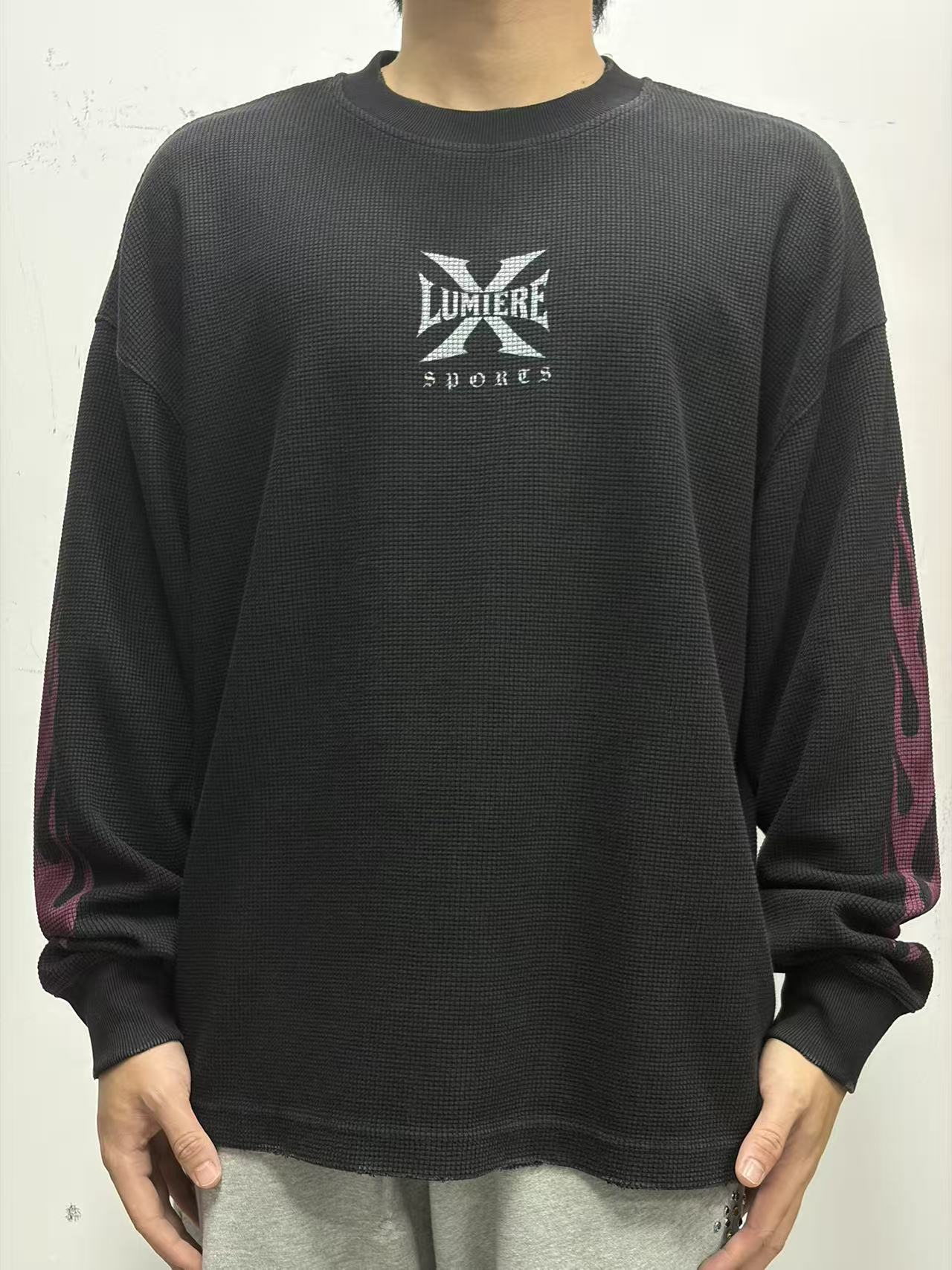
GSM stands for Grams per Square Meter. It measures the weight of fabric per square meter and is an important specification in clothing development and material sourcing.
Generally, fabrics with different GSM values can create different wearing experiences and visual effects. Lightweight fabrics are often suitable for breathable everyday clothing, while heavier fabrics may provide a more substantial feel.
However, GSM alone cannot determine fabric stiffness, softness, or drape. Brands should also consider fabric construction, fiber composition, and finishing techniques.
For streetwear brands, fabric GSM can influence several important aspects:
- Garment Structure: Helps create lightweight, relaxed, or more structured silhouettes.
- Wearing Comfort: Influences the overall weight and feel of a garment.
- Fabric Drape: Relates to how the fabric bends and falls.
- Product Positioning: Helps brands select materials that match their product identity.
GSM should therefore be treated as an important development reference rather than the only measure of fabric quality.
Why Can Fabrics With the Same GSM Look and Feel Different?
This is a common issue that streetwear brands may overlook during product development.
Even when two fabrics have the same GSM, they may differ in thickness, softness, and structure. This is because GSM only measures fabric weight per unit area. It does not describe every physical property of the material.
Several factors influence how a fabric performs.
1. Fabric Composition
Fiber composition affects hand feel, breathability, elasticity, and durability. Cotton fabrics are widely used for their natural softness, while cotton-polyester blends can offer different balances of comfort, durability, and dimensional stability depending on the fiber ratio.
2. Fabric Construction
Different fabric constructions create different appearances and wearing experiences.
For example:
- Single Jersey: Commonly used for T-shirts and suitable for lightweight everyday clothing.
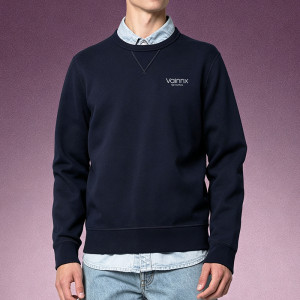
- French Terry: Often used for sweatshirts and sportswear, featuring looped structures on the inside.
- Brushed Fleece: Features a brushed inner surface that provides a softer feel and is suitable for hoodies and cold-weather garments.
Even at the same GSM, different fabric constructions can produce very different garment silhouettes.
3. Fabric Softness and Drape
Softness and drape are equally important. Some streetwear brands prefer structured oversized garments that maintain a defined silhouette, while others focus on relaxed styles with a natural drape.
The right fabric should always be evaluated according to the intended garment design.
4. Finishing Techniques
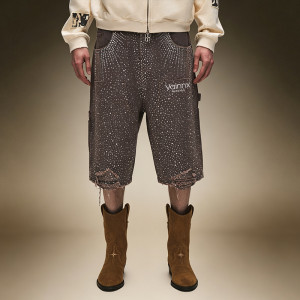
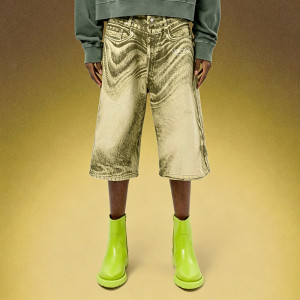
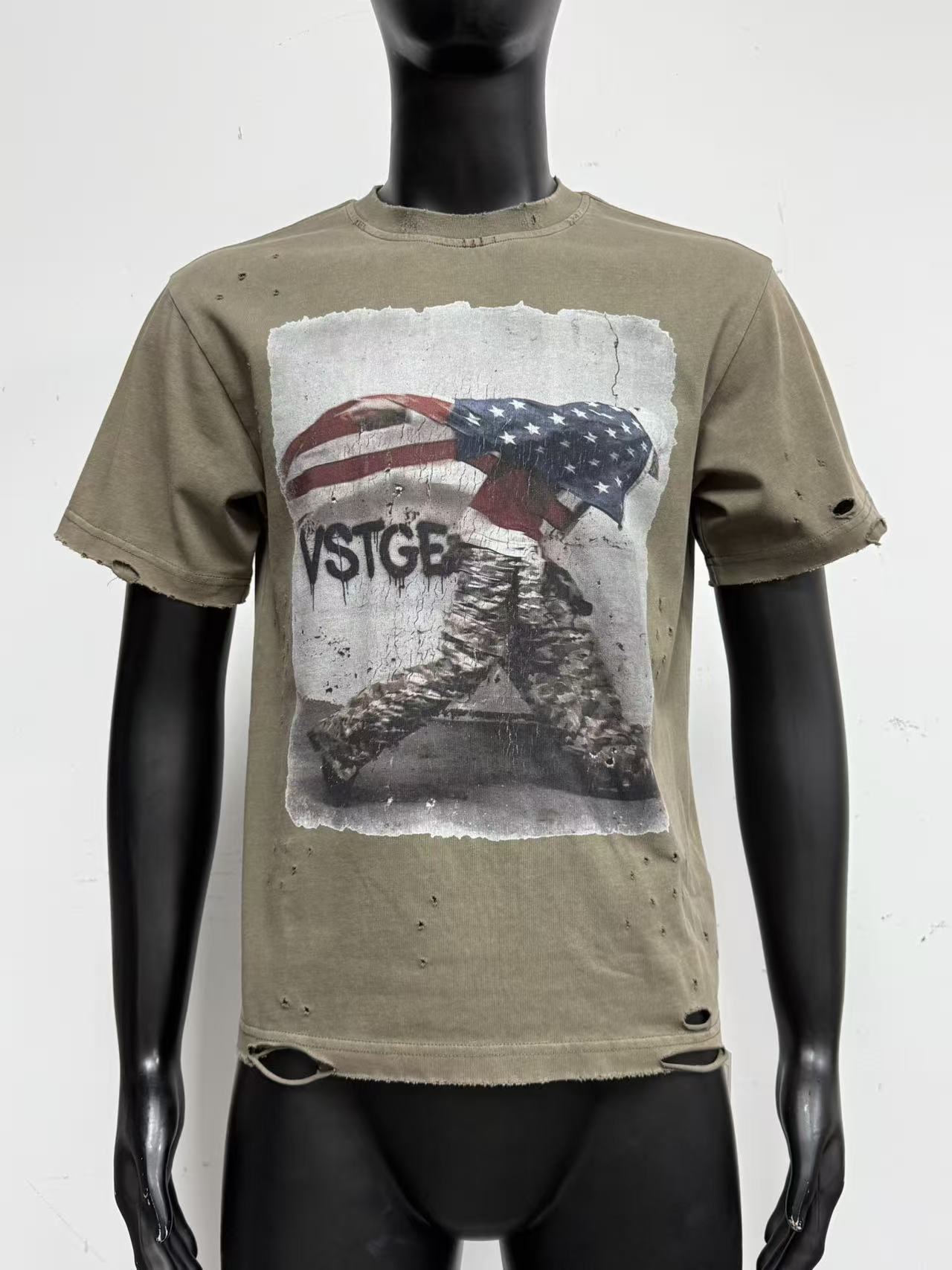
Washing, brushing, enzyme washing, and distressing can change the surface appearance and hand feel of a fabric.
For vintage streetwear products, brands should consider how finishing processes may affect fabric appearance, hand feel, and dimensional stability.
How Should Streetwear Brands Choose GSM for Different Products?
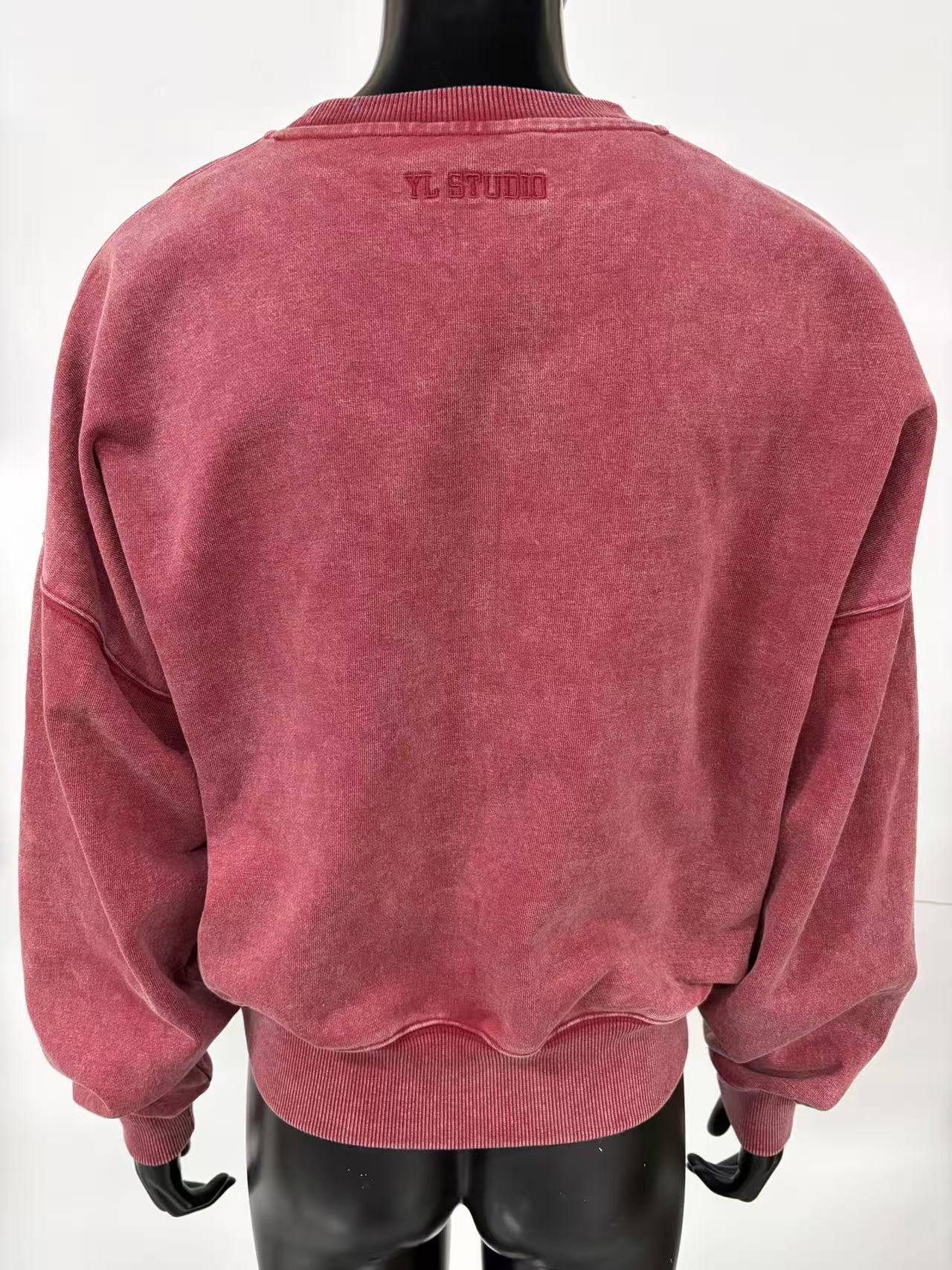
Different clothing categories require different fabric weights and structures. Brands should consider garment fit, season, design direction, and target customers when selecting suitable materials.
Heavyweight T-shirts are a popular category in streetwear collections. Brands often use heavier fabrics to create relaxed fits and more defined silhouettes.
However, fabric that is too stiff may affect wearing comfort. When choosing heavyweight materials, brands should evaluate fabric density, softness, and the appearance of the finished garment.
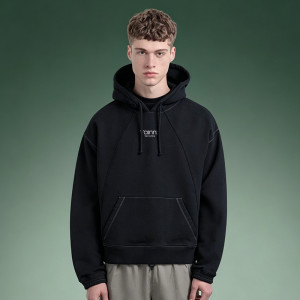
Hoodies require more than a suitable body fabric. Brands should also consider the hood, cuffs, hem ribbing, and overall garment construction.
For heavyweight hoodies, the goal is usually to achieve a substantial feel without sacrificing comfort. Fabric GSM, fleece construction, and pattern design need to work together to create the desired result.
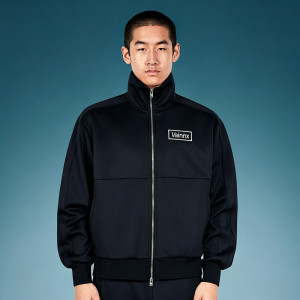
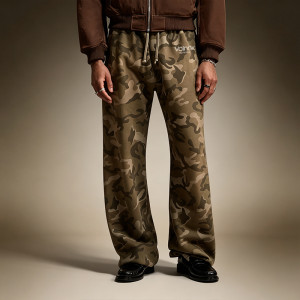
Sweatpants and tracksuits should balance comfort, flexibility, and visual consistency.
Fabric that is too heavy may restrict movement, while fabric that is too light may not deliver the intended appearance. The appropriate GSM should be evaluated according to the garment silhouette, fabric elasticity, and intended use.
What Should Brands Check Before Approving Fabric for Bulk Production?
Selecting a GSM specification does not mean that fabric development is complete. Before bulk production, brands should evaluate both the fabric and the finished sample to reduce the risk of material-related problems.
The following areas deserve particular attention.
1. Verify the Actual Fabric Weight
Use a consistent sampling and weighing method to check whether the actual GSM meets the required specification. Fabric consistency between production batches should also be considered.
2. Check Shrinkage
Fabric shrinkage after washing can affect garment measurements and fit. Brands should evaluate dimensional changes according to the intended care process and include relevant requirements in the production specification.
3. Evaluate Colorfastness
For black, dark-colored, and specially washed streetwear garments, color stability during washing and rubbing should be considered.
4. Review the Finished Sample
A fabric swatch alone cannot fully demonstrate how a finished garment will look. Brands should develop an actual sample and review the shoulder line, body shape, cuffs, hem, and overall wearing experience.
5. Confirm the Approved Reference
Before bulk production, brands should retain approved fabric and garment references and record important specifications, including GSM, composition, measurements, and finishing requirements.
This gives both the brand and the clothing manufacturer a consistent production reference and helps reduce differences between batches.
The Common Fabric Selection Mistakes Streetwear Brands Should Avoid
Some fabric selection mistakes may appear minor during development but can affect finished garment quality and production efficiency.
Choosing the Highest GSM Without a Design Purpose
Higher GSM is not necessarily suitable for every product. Brands should define the desired silhouette and wearing experience before selecting the fabric rather than simply choosing the highest number.
Ignoring Fabric Construction
Focusing only on GSM while overlooking constructions such as Single Jersey, French Terry, and Brushed Fleece may lead to results that do not match the original design.
Skipping Sample Testing
Moving directly into bulk production without sample approval may result in unexpected shrinkage, incorrect fit, or unsuitable fabric hand feel.
Changing Fabric Specifications During Production
Unapproved changes to fabric composition, GSM, or sourcing can create noticeable differences between production batches.
For brands planning to build a long-term clothing business, confirming fabric specifications and maintaining clear communication with the manufacturer are essential steps in reducing production risks.
How VAINNX Helps Streetwear Brands Develop the Right Fabrics
Choosing suitable fabric requires cooperation between the brand's design team and its clothing manufacturer. A professional manufacturer should understand the customer's design requirements and translate them into practical fabric specifications, patterns, and production processes.
As a professional streetwear clothing manufacturer, VAINNX provides OEM, ODM, and Full Production Package services for fashion brands, independent designers, and emerging streetwear labels.
Our manufacturing services cover several key areas.
Fabric Sourcing and Selection
We help customers evaluate suitable fabric options according to product design, target GSM, composition, and wearing requirements.
Pattern Making and Sample Development
Through pattern development and sample making, we evaluate how the selected fabric works with the garment silhouette and help customers confirm the design before bulk production.
Fabric Sourcing and Selection
We support printing, embroidery, and other garment decoration techniques, allowing brands to develop products that reflect their unique identity.
Washing and Finishing
We support streetwear finishing techniques such as vintage washing and distressing to help brands achieve distinctive surface textures and visual effects.
Bulk Production and Quality Control
From fabric inspection and cutting to sewing, printing, washing, and final garment inspection, quality checks are integrated into the manufacturing process to help improve consistency between production batches.
With extensive clothing manufacturing experience, VAINNX aims to help brands turn creative concepts into customized garments that match their market positioning.
Frequently Asked Questions About Fabric GSM
Is Higher GSM Always Better for Streetwear?
No. Higher GSM does not automatically mean better quality. The right fabric weight depends on garment design, fabric construction, comfort, and the desired silhouette.
What GSM Is Best for Heavyweight T-Shirts?
A range of approximately 230–320 GSM can serve as a starting point for heavyweight T-shirt development. However, the final choice should depend on fabric structure, softness, and sample performance.
What Is a Good GSM for Oversized Hoodies?
Many heavyweight hoodie developments use fabrics around 350–450 GSM. Brands should also consider fleece construction, hood structure, ribbing, and overall garment weight.
Can Two Fabrics With the Same GSM Have Different Quality?
Yes. Fabric composition, yarn quality, knitting structure, finishing, and dimensional stability can all influence the final performance of a fabric.
Should Brands Test Fabric Before Bulk Production?
Yes. Brands should evaluate fabric weight, shrinkage, colorfastness, and finished garment appearance before approving bulk production.
Key Takeaways: Choosing GSM Is About More Than Fabric Weight
Choosing the right fabric GSM is an important part of streetwear product development, but it should never be treated as an isolated decision. The best results come from evaluating fabric weight together with composition, construction, softness, drape, and finishing techniques.
For streetwear brands, a suitable manufacturing partner can help turn these material requirements into clear production specifications and consistent finished garments.
VAINNX provides custom streetwear manufacturing services, supporting brands from fabric selection and sample development to printing, embroidery, washing, and bulk production.
If you are developing a new streetwear collection and need help selecting suitable fabrics, the VAINNX team can help you evaluate your requirements and develop a customized manufacturing solution.
📞 Phone: [86-15015158179]
📧 Email: [info@vainnx.com]
🌐 WhatsApp:[https://wa.me/8618025298509]
https://www.https://www.vainnx.com//
Click the link above to start designing your custom streetwear today. We can’t wait to help you express your bold style!