Beyond Hoodies and T-Shirts: The Manufacturing Logic Behind Streetwear Jackets and Layering Pieces
Introduction: Why Should Streetwear Brands Pay More Attention to Layering Pieces?
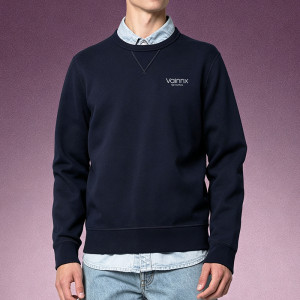
In the streetwear market, T-shirts and hoodies are often the first core products developed by emerging brands. They appeal to a broad consumer audience and provide an effective foundation for establishing a recognizable brand identity. However, as a clothing brand matures, relying exclusively on basic apparel may no longer satisfy consumers' demand for product variety and more expressive styling. More streetwear labels are therefore expanding their collections to include jackets, utility outerwear, coach jackets, overshirts, and other layering pieces.
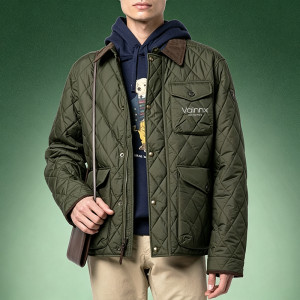
Compared with standard T-shirts and sweatshirts, jackets and outerwear generally involve more complicated garment construction. Their development requires attention not only to visual design but also to lining structures, zipper configurations, pocket placement, fabric support, wearing ease, and seasonal functionality. For example, an oversized utility jacket may involve multiple fabric combinations, different pocket dimensions, metal hardware, reinforced stitching, and specialized washing treatments. Each of these details can directly influence the finished garment's appearance, comfort, durability, and manufacturing complexity.
For clothing brands, developing these products is not simply a matter of adding another category to the product range. It requires a deeper understanding of garment construction and manufacturing requirements. Designers must ensure that the intended appearance works in real-life wearing situations, while clothing manufacturers must translate these design expectations into practical patterns, material specifications, and production techniques.
As a professional streetwear clothing manufacturer, VAINNX focuses not only on garment appearance but also on the relationship between fabrics, patterns, construction, and manufacturing techniques. In this guide, we explore the manufacturing logic behind streetwear jackets and layering pieces, helping brands understand the essential considerations involved in product development and bulk production.
1. Product Construction: Different Layering Pieces Require Different Manufacturing Solutions
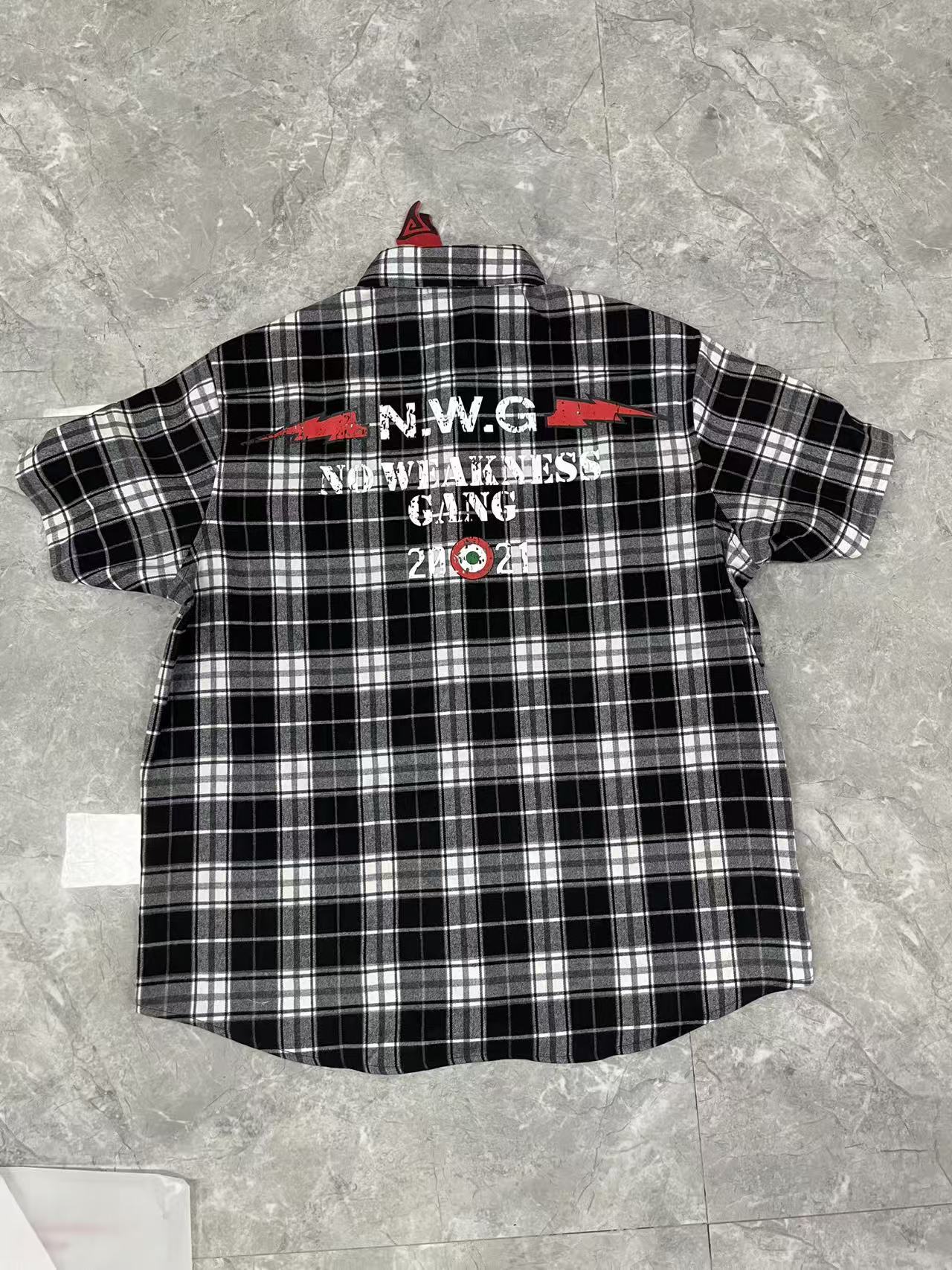
Layering apparel is not a single product category. It includes several garment types with different construction requirements and wearing purposes. For example, utility jackets generally emphasize functionality and structure, coach jackets focus on lightweight construction and relaxed silhouettes, overshirts combine elements of traditional shirts and lightweight outerwear, while vests provide additional styling layers without significantly restricting movement.
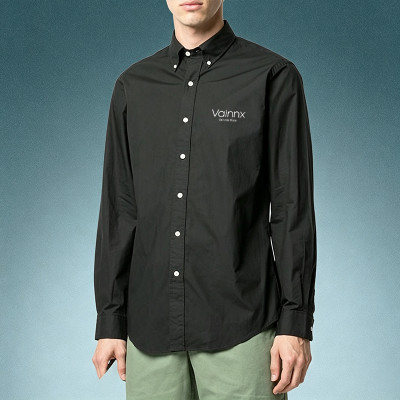
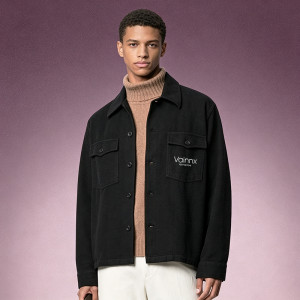
Although these products can all be used for layering, their pattern-making and manufacturing requirements are considerably different. Utility jackets often incorporate multiple functional pockets, reinforced stitching, and durable fabric structures, requiring additional attention during cutting and sewing. Coach jackets generally use lighter materials and place greater emphasis on silhouette, front closure construction, adjustable hems, and cuff details. Overshirts need to balance the clean appearance of a shirt with the structural support of outerwear, making collar design, placket construction, shoulder structure, and body proportions particularly important.
For streetwear brands, the first step is to define the intended function and positioning of each product. Does the brand want a lightweight everyday jacket, or a heavyweight outerwear piece with a strong utility aesthetic? These two products will require different material selections, construction methods, and manufacturing processes.
A professional clothing manufacturer needs to develop an appropriate production approach for each garment category rather than simply applying an existing pattern to a new design. During custom apparel development, VAINNX evaluates customer concepts, intended silhouettes, and product functionality to help transform creative designs into garments suitable for actual manufacturing.
2. Outer Shell Fabrics and Linings: The Foundation of Jacket Quality and Wearing Comfort
Compared with ordinary T-shirts, jacket fabric selection is more complicated because the material must satisfy appearance requirements while providing appropriate structure, durability, and wearing comfort.
Common fabrics used in streetwear outerwear include cotton twill, canvas, denim, nylon, polyester, and various blended materials. Cotton twill and canvas are often suitable for utility-style jackets because they provide structure and durability. Denim works well for vintage-inspired streetwear, while nylon and polyester are useful for lightweight, sporty, and functional outerwear designs.
In addition to the outer shell, the lining is another important component affecting overall jacket quality. Some lightweight jackets may use simple interior binding or thin lining materials, while autumn and winter outerwear may incorporate brushed fleece, quilted lining, or other insulating structures. Different lining choices influence garment thickness, drape, and wearing space, meaning the final pattern should not be determined by the outer fabric alone.
During product development, brands should also consider compatibility between the outer shell and lining. For example, combining a heavy outer fabric with an excessively thick lining may make a jacket look bulky. Conversely, a lightweight outer shell without sufficient structural support may fail to maintain the intended silhouette.
As an experienced clothing manufacturer, VAINNX considers product functionality, design construction, and expected wearing performance when developing material combinations. We evaluate fabric composition, GSM, hand feel, thickness, and compatibility with subsequent manufacturing processes to help brands establish suitable material specifications.
3. Pockets, Zippers, and Hardware: How Small Components Influence the Entire Garment
In streetwear jackets, components such as pockets, zippers, snap buttons, drawcords, and adjustment hardware are often essential design details. They provide practical functionality while strengthening the garment's overall visual identity.
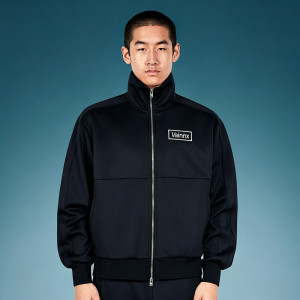
For example, utility jackets can use large patch pockets, flap pockets, and metal snap buttons to create a functional aesthetic. Coach jackets may feature simple nylon zippers, snap-button closures, and adjustable drawcord hems to emphasize a lightweight sporty appearance. More experimental streetwear outerwear may incorporate distinctive zipper pulls, concealed pockets, and asymmetrical closure structures.
However, hardware selection should not be based on appearance alone. Zipper length, tooth type, material, slider construction, and installation position all influence garment functionality. For heavier jackets, zipper specifications must be compatible with fabric thickness. For outerwear with multiple pockets, their positioning must also be coordinated with the overall garment pattern and wearing comfort.
Pocket dimensions and attachment methods require equally careful consideration. Oversized pockets can change the garment's proportions, pockets positioned too close to side seams may restrict hand movement, and insufficient reinforcement can lead to loose stitching after repeated use.
Therefore, brands should confirm hardware specifications, installation positions, and structural strength during sample development rather than making last-minute adjustments during bulk production.
As a professional custom clothing manufacturer, VAINNX can provide recommendations for customized zippers, snap buttons, pockets, drawcords, and branded hardware details according to customer design requirements. Sample approval helps ensure that these components are compatible with the overall garment construction.
4. Fit and Wearing Ease: How Can Jackets Be Designed for Effective Layering?
The biggest difference between layering apparel and standard single-layer tops is the need to provide sufficient space for inner garments without losing the outerwear's intended silhouette.
For example, an oversized utility jacket may be worn over a hoodie or heavyweight knitwear. Therefore, chest width, shoulder width, armholes, and sleeve circumference should allow additional room for movement and layering. If the jacket is developed using measurements intended only for wearing over a T-shirt, customers may experience tight shoulders, restricted arm movement, or unbalanced proportions when wearing thicker garments underneath.
For overshirts, the pattern needs to balance a relaxed silhouette with appropriate structural support. An excessively loose fit may weaken the clean appearance expected from an overshirt, while an overly fitted construction reduces its functionality as a layering garment.
Body length, sleeve length, and hem proportions also influence the final styling effect. Cropped jackets can work particularly well with high-waisted bottoms, while longer outerwear requires careful coordination with the lengths of inner garments. Brands should establish clear measurement standards based on intended wearing situations instead of simply increasing every measurement of an existing basic garment.
During professional manufacturing, pattern makers need to adjust patterns according to design references, fabric thickness, and expected layering requirements. Sample fittings are then used to evaluate shoulder mobility, sleeve comfort, and overall proportions.
VAINNX pays close attention to the actual wearing performance of streetwear silhouettes. Through professional pattern development and sample adjustments, we help brands create relaxed fits and customized garment structures that reflect the aesthetic preferences of European and American markets.
5. Paneling and Layered Construction: How Can Jackets Develop a Stronger Streetwear Identity?
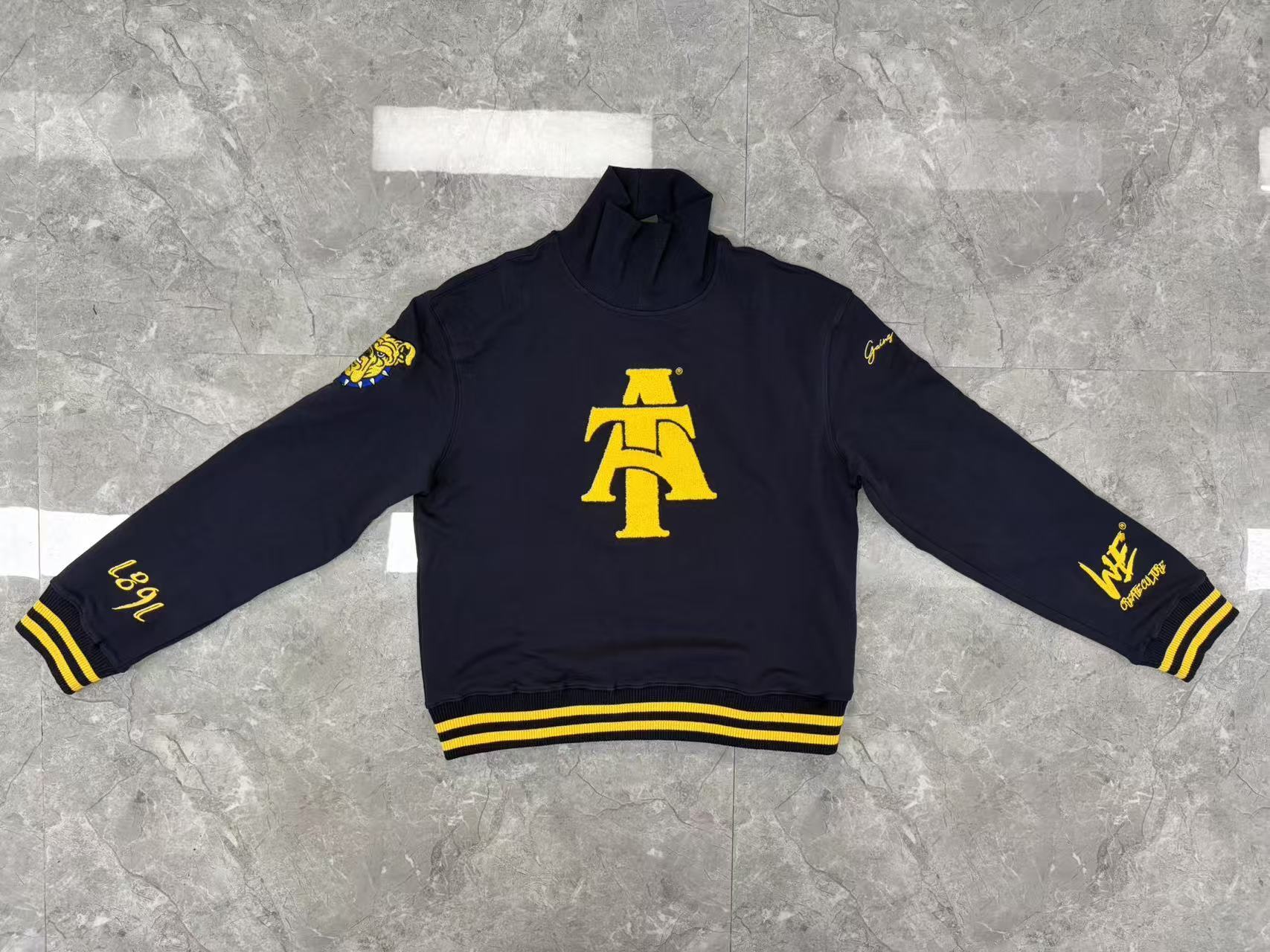
Streetwear brands frequently combine different fabrics, colors, and structural elements to create more recognizable outerwear designs. Compared with basic jackets, panelled construction can add visual depth and help brands establish a more distinctive product identity.
Common approaches include contrasting fabric panels, mixed-material sleeves and body sections, reinforced shoulder panels, layered surface details, and asymmetrical pattern pieces. For example, a jacket may use cotton as its main body fabric while incorporating nylon sleeves or textured pocket materials to create an interesting contrast.
However, panelled construction increases the complexity of pattern development and production management. Different fabrics may have different thicknesses, elasticity, shrinkage rates, and sewing characteristics. Without proper material matching and construction testing, manufacturers may encounter uneven seams, local puckering, dimensional inconsistencies, and differences in drape between garment sections.
For garments with multiple structural layers, manufacturers must also consider the order in which different panels are assembled, seam allowance treatment, and reinforcement methods. Stress points such as shoulders, armholes, pocket edges, and front closures require suitable construction methods to maintain structural stability and durability.
As an experienced streetwear clothing manufacturer, VAINNX can evaluate the manufacturing feasibility of different panel arrangements based on customer designs and material specifications. During sample development, we examine how individual panels fit together to reduce potential problems during bulk production.
6. Washing and Finishing: How Can Surface Treatments Create a More Distinctive Outerwear Appearance?
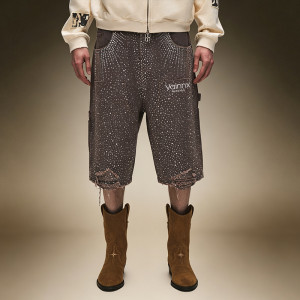
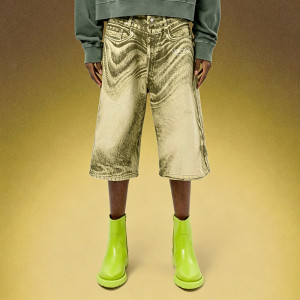
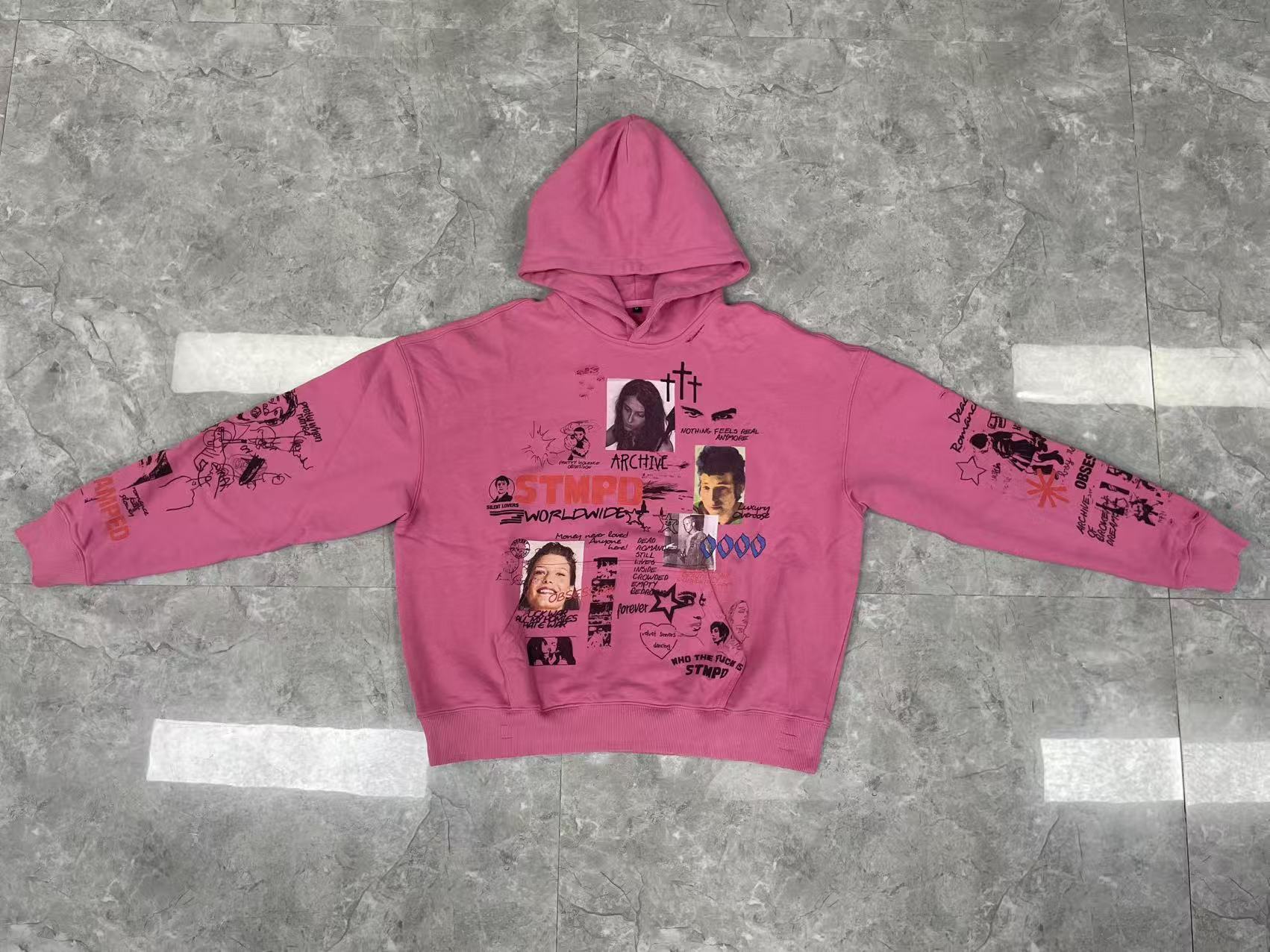
For streetwear brands pursuing vintage, distressed, and American streetwear aesthetics, washing and finishing techniques are important tools for product differentiation. Through different treatments, even relatively simple jacket constructions can develop more complex color variations and surface textures.
Common treatments include garment washing, enzyme washing, stone washing, bleaching, localized abrasion, and other surface finishing processes. Each technique produces a different visual effect. Stone washing can create a naturally aged appearance, bleaching introduces color variations, and localized abrasion emphasizes vintage textures in selected areas.
However, jackets generally have more complicated structures than standard T-shirts. Therefore, washing processes must account for compatibility between outer fabrics, linings, zippers, metal hardware, and decorative components.
For example, certain metal components may undergo surface changes during washing. Different fabrics may also shrink at different rates, while excessive treatment can weaken stitching and affect overall garment structure. Brands should therefore conduct sample testing before bulk production to confirm the final color, dimensions, and surface appearance.
With extensive experience in custom streetwear manufacturing, VAINNX can evaluate washing, distressing, bleaching, and other finishing techniques according to customer design concepts and fabric requirements. We use sample development and process evaluation to identify suitable treatments for consistent bulk manufacturing.
7. From Sampling to Bulk Production: How Can Jacket Manufacturers Control Product Quality?
Compared with basic apparel, jackets generally involve more pattern pieces, hardware components, and sewing operations. As a result, their bulk manufacturing requires more detailed quality management.
Before production begins, manufacturers should confirm complete product specifications, including outer shell fabrics, lining materials, hardware models, measurement charts, pocket positions, stitching requirements, zipper configurations, and finishing processes. For jackets with panelled construction or specialized structural details, individual production requirements and inspection standards should also be clearly documented.
Sample approval is a critical part of this process. Brands should not only evaluate the overall appearance but also test zipper operation, pocket functionality, shoulder mobility, lining comfort, and the strength of individual construction points.
During bulk production, manufacturers need to conduct staged inspections covering fabrics, cutting, sewing, hardware installation, and finished garment appearance. For jackets with multiple pattern pieces, measurement deviations across different sections can accumulate and affect the overall structure. Maintaining consistent measurements and construction standards throughout production is therefore essential.
VAINNX provides professional custom clothing manufacturing services through product development support, flexible production arrangements, and quality inspections at different manufacturing stages. From the initial sample to the final bulk order, we focus on critical construction details to help brands maintain consistent product quality and design accuracy.
Conclusion: Building a Successful Streetwear Brand Requires More Than a Larger Product Range
The value of streetwear jackets and layering pieces is not defined by appearance alone. It also depends on how fabrics, construction, patterns, hardware, and manufacturing techniques work together. A competitive outerwear product must balance visual identity, wearing comfort, structural stability, and practical manufacturing feasibility.
For streetwear brands looking to expand their product ranges, developing jackets, utility outerwear, and overshirts should involve more than simply introducing new product categories. It requires more advanced product development methods and clearly defined manufacturing standards.
As a professional streetwear clothing manufacturer, VAINNX is committed to providing customized OEM, ODM, and Full Production Package (FPP) services for global clothing brands. With extensive manufacturing experience, professional pattern development capabilities, flexible craftsmanship solutions, and production quality control, we help customers transform creative concepts into high-quality finished garments.
Whether you are developing a new streetwear jacket or planning an outerwear collection with distinctive construction and design details, VAINNX is ready to support your project. Let professional clothing manufacturing capabilities help your brand create more distinctive and competitive apparel products.
📞 Phone: [86-15015158179]
📧 Email: [info@vainnx.com]
🌐 WhatsApp:[https://wa.me/8618025298509]
https://www.https://www.vainnx.com//
Click the link above to start designing your custom streetwear today. We can’t wait to help you express your bold style!