Beyond Apparel: How Streetwear Brands Build a Cohesive Product Collection Through Apparel and Accessories
Introduction: Why Should Streetwear Brands Look Beyond Clothing?
In today's increasingly competitive streetwear market, brand differentiation is no longer limited to clothing alone. A uniquely designed oversized hoodie or a pair of vintage-washed sweatpants may attract consumer attention, but what truly helps a streetwear brand establish a long-term competitive advantage is a complete and recognizable product collection.
More streetwear brands are expanding their focus from individual apparel products to broader product collections. In addition to T-shirts, hoodies, jackets, and sweatpants, brands are incorporating accessories such as caps, socks, and tote bags to diversify their product offerings. Although these products differ in size, functionality, and manufacturing requirements, they can create a consistent visual identity through coordinated colors, graphics, materials, and branding elements.
For clothing brands, this approach provides customers with more purchasing options while strengthening brand recognition and encouraging customers to combine different products. However, as product categories expand, the challenges associated with design development, fabric selection, craftsmanship coordination, and supply chain management also become more complicated.
As an experienced streetwear clothing manufacturer, VAINNX understands that a successful streetwear collection is not simply a combination of different products. It requires systematic planning throughout product development, garment construction, fabric selection, craftsmanship execution, and final quality control. In this guide, we explore how streetwear brands can build cohesive product collections and how professional clothing manufacturers help transform creative concepts into high-quality physical products.
1. From Individual Products to Complete Collections: Building a Clear Product Structure
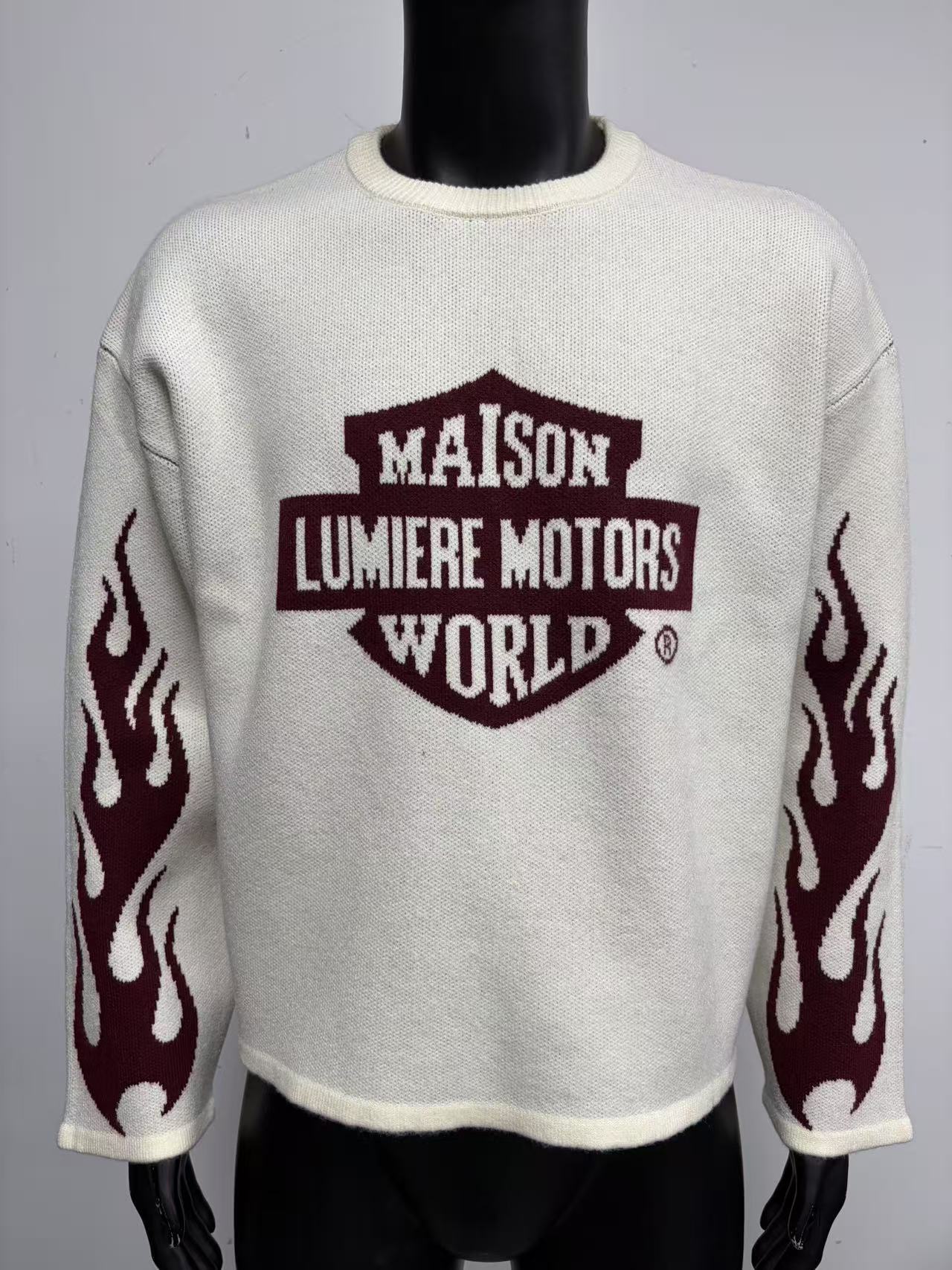
Many emerging streetwear brands initially concentrate on developing individual popular products, such as oversized hoodies, graphic T-shirts, or relaxed-fit sweatpants. This approach can help brands test market demand quickly. However, relying on a limited number of products over time may restrict the development of the overall product line.
A more mature product development strategy involves creating a structured collection around the brand's positioning. Generally, products can be divided into three categories: core apparel, supporting apparel, and complementary accessories.
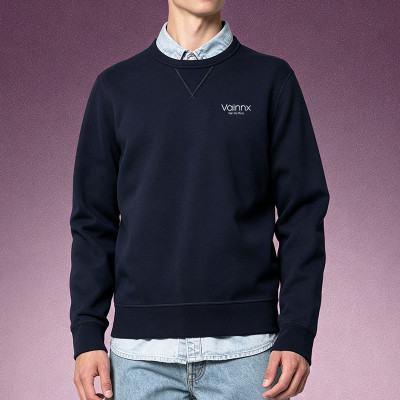
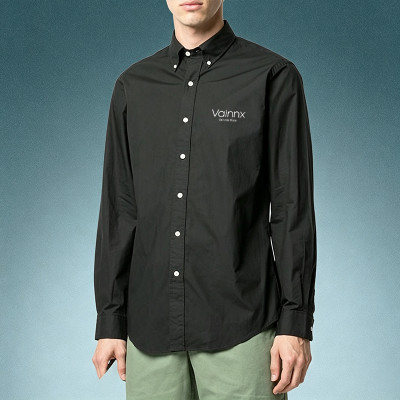
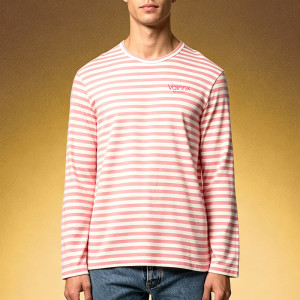
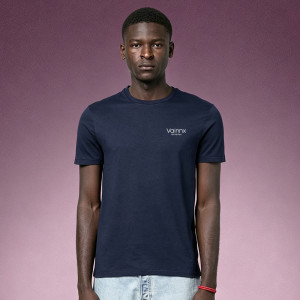
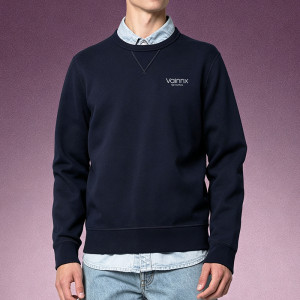
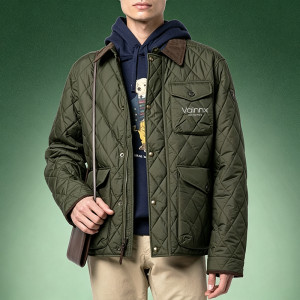
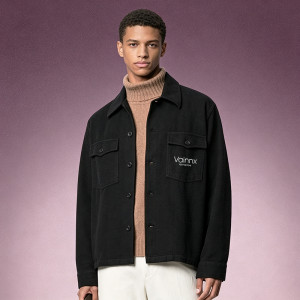
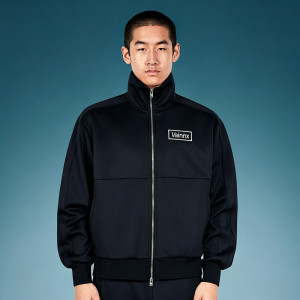
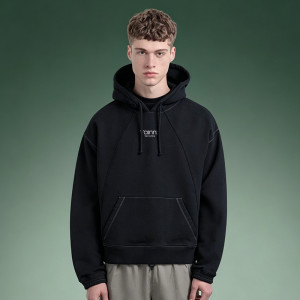
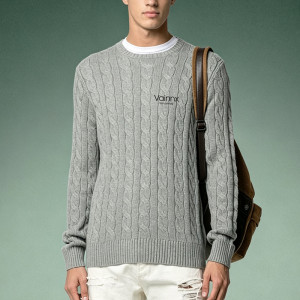
Core apparel includes hoodies, T-shirts, jackets, and sweatpants. These products establish the brand's primary visual identity and commercial direction. Supporting apparel may include seasonal tops, shorts, knitwear, and other extended styles that add variety to the collection. Complementary accessories, such as caps, socks, and tote bags, provide additional styling options and purchasing opportunities.
For example, a streetwear brand focused on American streetwear aesthetics could build its collection around heavyweight oversized hoodies, relaxed-fit sweatpants, and graphic T-shirts. Coordinated brand graphics and color schemes could then be extended across caps, socks, and tote bags.
The important point is to establish clear relationships between different products rather than simply increasing the number of SKUs. Every product should support the brand's overall positioning while maintaining its own commercial appeal.
For a professional clothing manufacturer, understanding the brand's complete product strategy is equally important. Manufacturers need to consider not only the production requirements of individual garments but also how different products coordinate in terms of patterns, fabrics, colors, and craftsmanship. This helps create a consistent and recognizable collection.
2. Fabric Selection: How Can Different Products Maintain Consistent Quality and Visual Appeal?
Fabric is one of the most important factors influencing garment texture, wearing comfort, durability, and overall product positioning. In streetwear product development, different styles may require different fabrics, but they should still follow consistent quality standards and complement one another visually.
For hoodies and sweatpants, brands commonly choose cotton fabrics, cotton-polyester blends, or brushed fleece in different weights according to their product positioning. Heavyweight cotton provides a structured appearance, making it suitable for oversized and boxy streetwear silhouettes. Brushed fleece, on the other hand, is ideal for autumn and winter collections that emphasize warmth and softness.
T-shirt fabric selection needs to balance breathability, softness, drape, and printing compatibility. Streetwear brands focusing on relaxed silhouettes can select different cotton weights according to their design requirements to achieve the desired garment structure and appearance.
When a brand also develops accessories such as caps, socks, and tote bags, the functional requirements of each product must be considered. Caps require appropriate fabric structure and wearing comfort, socks need elasticity, breathability, and abrasion resistance, while tote bags require suitable material strength and structural durability.
It is important to understand that different product categories do not necessarily need to use identical fabrics. What matters is establishing consistent quality standards based on product functionality, target customers, and brand positioning.
As a professional streetwear clothing manufacturer, VAINNX considers fabric composition, GSM, hand feel, structural stability, and compatibility with subsequent manufacturing processes during garment development. These factors help brands establish clear material specifications and minimize quality differences between samples and bulk production.
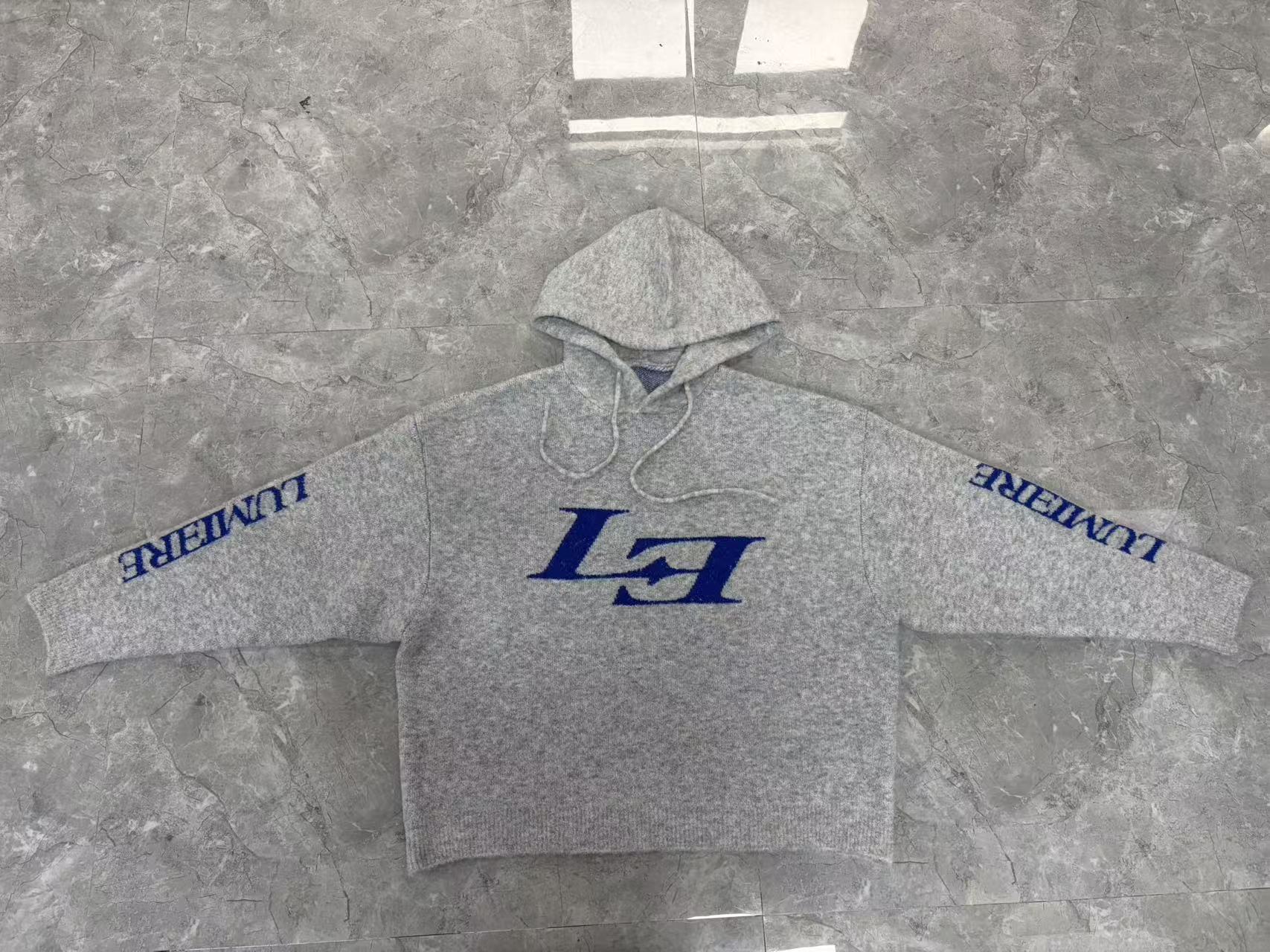
3. Colors and Graphics: Creating Consistent Brand Recognition Across Different Products
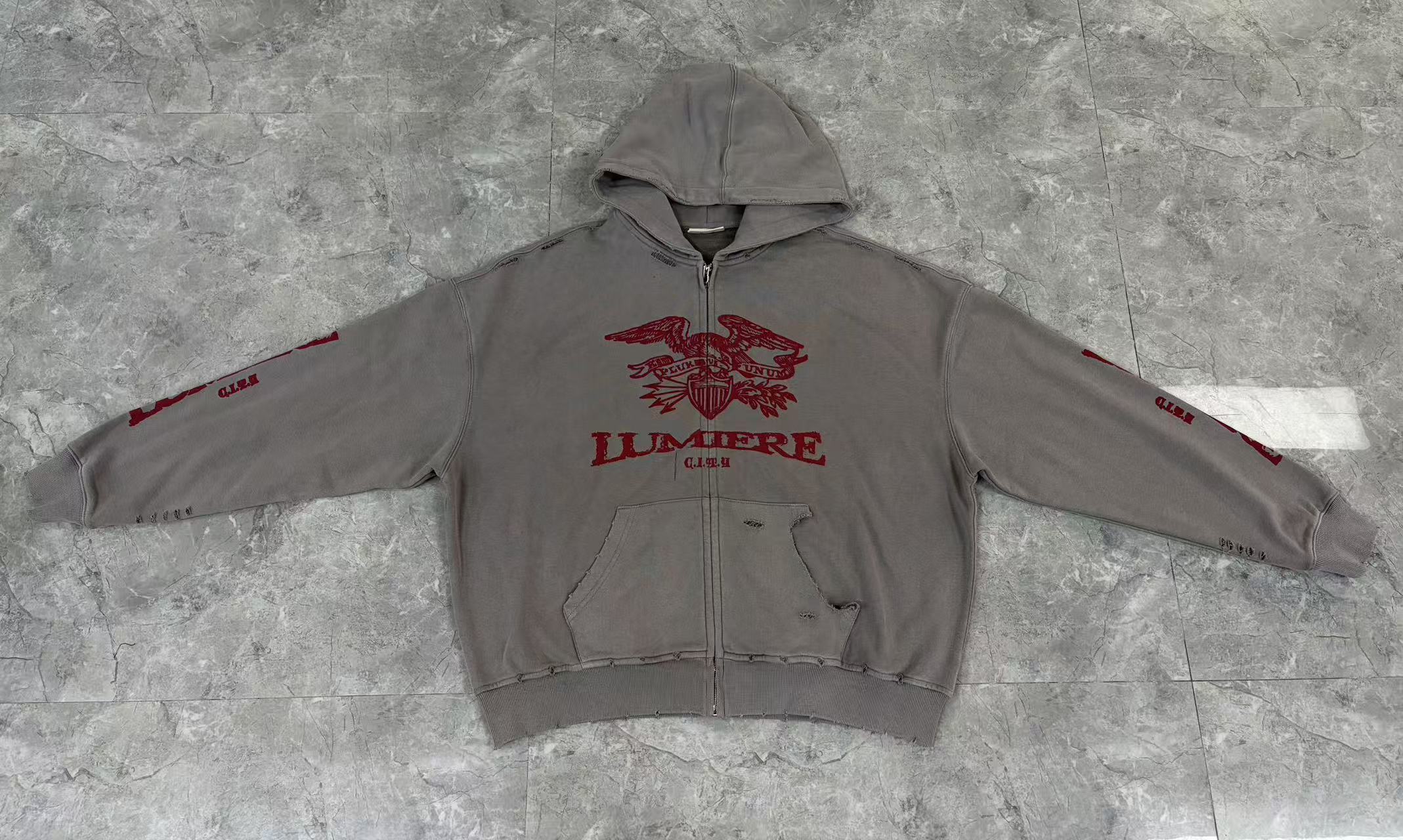
Colors and graphics are essential visual elements connecting different products within a collection. Even when a hoodie, cap, and tote bag have completely different structures, using consistent brand colors, graphic elements, or logo systems can create a recognizable product identity.
In streetwear design, brands can begin by establishing a core color palette. Black, grey, off-white, and dark brown can serve as foundational colors, while seasonal accent colors such as olive green, burgundy, or other distinctive shades can be introduced to reflect individual collection themes.
A well-planned color system prevents products from looking visually disconnected and makes it easier for customers to combine different items.
Graphic development should follow a similar approach. Brands can establish a primary logo, secondary graphic elements, and a consistent typography system before applying them across different products.
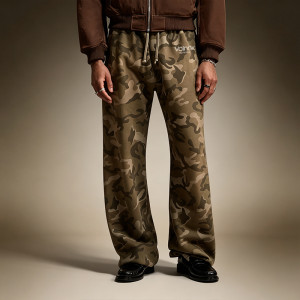
For example, a hoodie may feature a large back print, while a T-shirt uses a small chest logo. Sweatpants can incorporate branded text along the side, whereas caps and tote bags may feature more understated embroidery or printed logos.
However, visual consistency does not mean every product must use exactly the same graphic. Different products require adjustments in graphic dimensions, placement, and presentation according to their construction and intended use.
As an experienced clothing manufacturer, VAINNX can work with customers' brand visual designs and garment construction requirements to recommend suitable printing, embroidery, and branding solutions. This helps ensure that visual elements are translated effectively into finished apparel products.
4. Manufacturing Techniques: How Can Different Apparel Products Express a Brand's Unique Identity?
In streetwear manufacturing, craftsmanship is often one of the most important factors determining whether a product achieves a premium appearance. Even when two garments share the same basic silhouette, different printing, embroidery, washing, and finishing techniques can create completely different visual effects and product positioning.
For T-shirts and hoodies, common customization techniques include screen printing, digital printing, heat transfer, 3D puff printing, and embroidery.
Screen printing is suitable for designs requiring strong color coverage and larger graphic areas. Digital printing allows more complicated graphic details to be reproduced, while 3D puff printing creates raised textures and stronger visual impact. Embroidery is particularly suitable for chest logos, sleeve details, and other areas where brands want to emphasize craftsmanship.
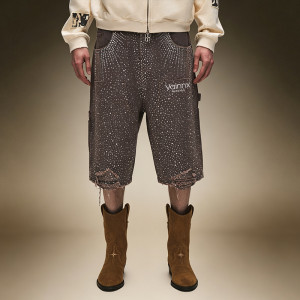
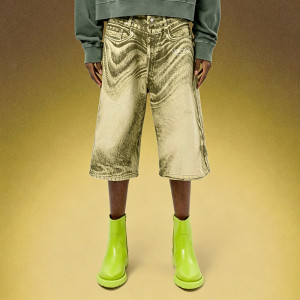
For brands pursuing a vintage streetwear aesthetic, washing, distressing, bleaching, and abrasion treatments also play important roles. These processes change the color, surface texture, and visual character of fabrics, helping garments achieve a distinctive appearance.
However, using more manufacturing techniques does not automatically create a better product. Brands must consider the compatibility of different processes and their potential effects on fabrics, dimensional stability, and bulk production.
For example, before garment washing, manufacturers need to confirm whether the selected printing and embroidery techniques can withstand the required treatment conditions. Complex graphic designs may also require preliminary testing to ensure that the fabric surface is suitable for the chosen process.
With extensive streetwear manufacturing experience, VAINNX can evaluate the feasibility of different techniques during product development. By assessing design requirements, confirming samples, and conducting quality inspections throughout production, we help brands select suitable manufacturing processes and maintain consistent results.
5. Fit and Garment Construction: Why Does Each Product Require a Different Development Approach?
A cohesive product collection is not defined by colors and graphics alone. It also depends on consistent design proportions and an overall wearing aesthetic.
Streetwear generally emphasizes relaxed fits, comfort, and distinctive silhouettes. However, different garment categories cannot simply follow the same pattern-making standards.
For example, oversized hoodies require careful consideration of shoulder width, chest measurements, body length, sleeve length, and hood proportions. Sweatpants require attention to waist measurements, hip width, thigh circumference, inseam, and leg openings. Jackets must provide appropriate shoulder mobility, layering space, and overall silhouette balance.
Even when two garments use the same fabric and color, inconsistent proportions can weaken the visual relationship between them.
During product development, brands should establish clear size charts and pattern standards, followed by sample fittings to evaluate the actual wearing effect. Different styles may also require pattern adjustments based on fabric elasticity, thickness, and drape. Simply copying measurement specifications from another style can result in unsuitable garment proportions.
Professional clothing manufacturers play an important role at this stage. Through pattern development, pattern adjustments, and sample testing, manufacturers help brands transform design sketches into practical garment structures suitable for production.
VAINNX pays close attention to the relationship between garment patterns and actual wearing performance. During custom apparel development, we adjust garment proportions, measurements, and construction details according to customer requirements and target market preferences to ensure that finished products meet brand expectations.
6. Product Development and Production Coordination: How Can Brands Avoid Quality Differences Across Different Products?
When a brand develops multiple apparel styles simultaneously, production management becomes increasingly complicated. Different products may require different fabrics, manufacturing techniques, and production procedures. Without consistent management standards, problems such as color inconsistencies, measurement deviations, incorrect print placement, and unstable batch quality can occur.
Before developing a complete collection, brands should establish clear technical documentation for every product. This documentation should include measurement charts, fabric specifications, color standards, printing positions, embroidery requirements, trim details, and packaging instructions.
For different styles within the same collection, brands should maintain consistent visual guidelines while creating separate technical specifications for each product. This approach helps maintain overall collection consistency while preventing production requirements from becoming confused.
From a manufacturer's perspective, production coordination involves more than simply scheduling different styles. More importantly, every stage—from fabric sourcing and sample development to craftsmanship approval and bulk manufacturing—must follow clearly defined execution standards.
VAINNX provides professional product development support, flexible production arrangements, and quality inspections throughout the manufacturing process. We help streetwear brands of different sizes develop customized apparel products. Whether launching an entirely new collection or extending existing best-selling styles, a clear production plan and consistent quality standards can help reduce manufacturing risks.
7. Why Is Choosing a Professional Clothing Manufacturer Essential for Long-Term Brand Growth?
For streetwear brands, finding the right clothing manufacturer is not simply about solving immediate production requirements. It is also an important step toward establishing a long-term and reliable supply chain.
During the early stages of development, some brands focus primarily on product pricing and minimum order quantities. However, as their collections expand, fabric selection, craftsmanship development, sample approval, production consistency, and delivery management become increasingly important.
An experienced clothing manufacturer should understand a brand's creative direction and translate it into clear, practical manufacturing requirements.
First, a professional manufacturer can provide recommendations on fabrics, patterns, and manufacturing techniques during product development, helping brands avoid unnecessary development costs.
Second, a well-organized production management system improves coordination between sample development and bulk manufacturing, reducing quality differences between production batches.
Furthermore, continuous quality control is essential. From fabric inspection and cutting to sewing, printing, embroidery, and final garment inspection, every production stage should follow appropriate inspection standards.
For streetwear brands looking to expand their product lines, choosing a professional clothing manufacturer capable of long-term cooperation helps establish a more stable product development and manufacturing system.
VAINNX specializes in custom streetwear manufacturing, offering professional services covering product development, fabric selection, pattern making, sample development, and bulk production. Through our OEM, ODM, and Full Production Package (FPP) solutions, we help brands at different development stages turn creative concepts into commercially competitive apparel products.
Conclusion: Building a Successful Streetwear Brand Requires More Than a Larger Product Range
The competitiveness of a streetwear brand should not be measured simply by the number of products it offers. A valuable product collection requires consistency across brand positioning, garment design, fabric selection, color coordination, manufacturing techniques, and quality control.
Accessories such as caps, socks, and tote bags provide additional opportunities for product combinations, while core apparel products—including T-shirts, hoodies, jackets, and sweatpants—form the foundation of a stable clothing collection.
For brands, the key is not simply expanding product categories. Every product should communicate the brand's design philosophy and meet its quality expectations.
Whether you are developing a new streetwear collection or expanding an existing clothing line, VAINNX can support your apparel development journey. From fabric selection and pattern making to manufacturing techniques, let's create high-quality streetwear that reflects your brand identity.
📞 Phone: [86-15015158179]
📧 Email: [info@vainnx.com]
🌐 WhatsApp:[https://wa.me/8618025298509]
https://www.https://www.vainnx.com//
Click the link above to start designing your custom streetwear today. We can’t wait to help you express your bold style!