10 Streetwear Clothing Manufacturers in the World for Custom Brands in 2026
Introduction:
Launching a streetwear collection is not simply a matter of placing artwork on a garment. The commercial result depends on whether a manufacturer can turn a creative direction into a garment that looks, feels, fits, washes, and repeats the way the brand intended. A boxy heavyweight tee needs more than a logo. A washed hoodie needs more than a color reference. A workwear jacket, matching set, or embellished denim piece needs a production partner that understands construction, material behavior, decoration, quality control, and the realities of bulk production.
That is why choosing a streetwear clothing manufacturer is one of the highest-leverage decisions a custom brand will make in 2026. The right partner can shorten development cycles, protect a design's character, help a small launch become a repeatable program, and prevent expensive mistakes before fabric is cut. The wrong partner can create inconsistent fits, weak print results, missed launches, and inventory a brand cannot confidently sell.
This guide presents ten practical manufacturers or manufacturing-service options that custom brands may consider when building a supplier shortlist. It is not an audited global league table and it is not a claim that one company is universally better than another. Every supplier has different strengths by category, order size, location, budget, and operating model. Instead, use this list as a starting point, then validate every candidate with a complete tech pack, fabric and trim specifications, a sample, written quality standards, and a clear production agreement.
What Makes a Good Streetwear Clothing Manufacturer?
Not every apparel factory is set up for streetwear. A general cut-and-sew supplier may be able to assemble a basic garment, yet still miss the proportions, fabric character, and finish that make a streetwear product feel intentional. In this category, details are not decorative extras. They are part of the product's identity.
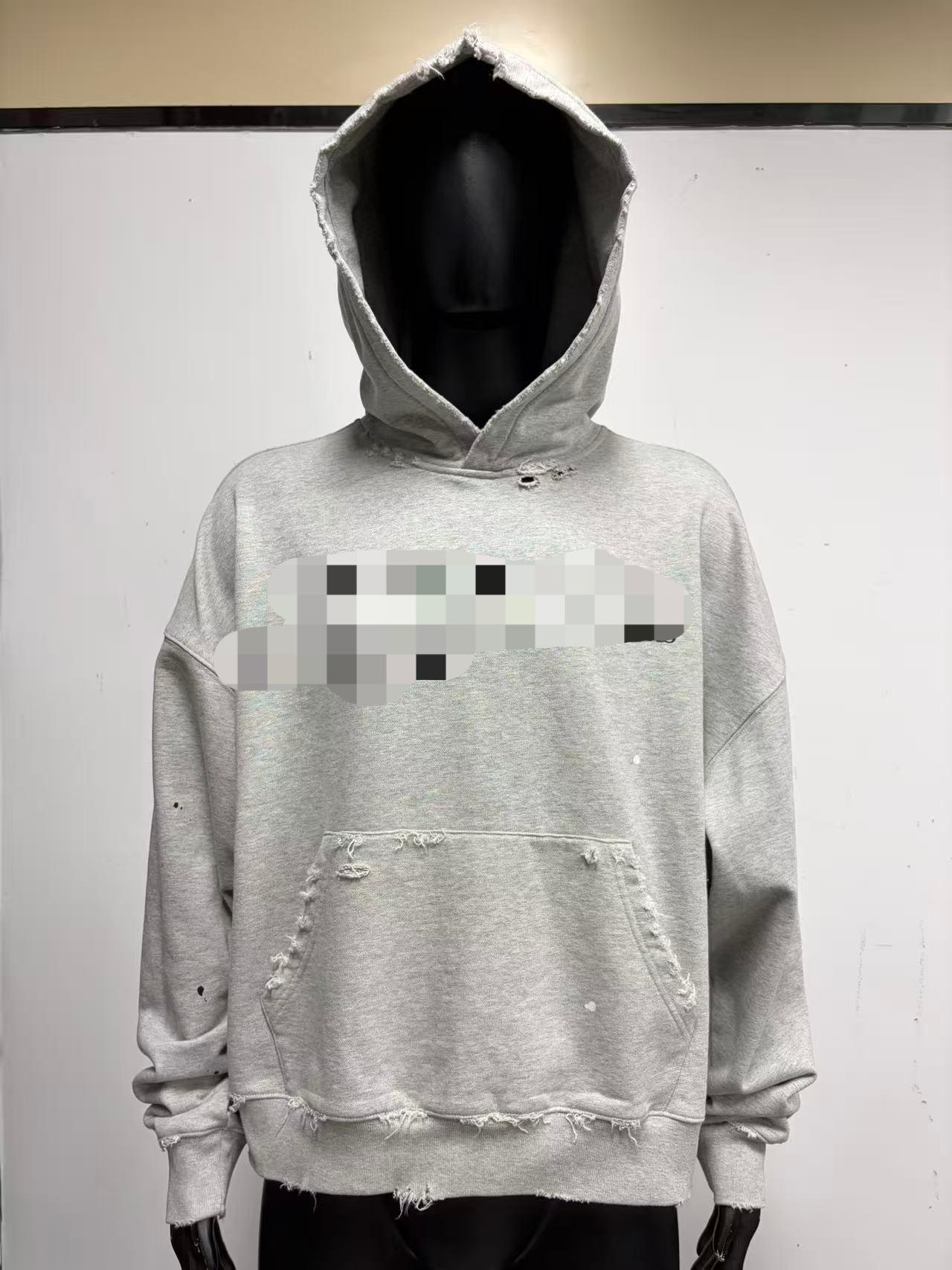
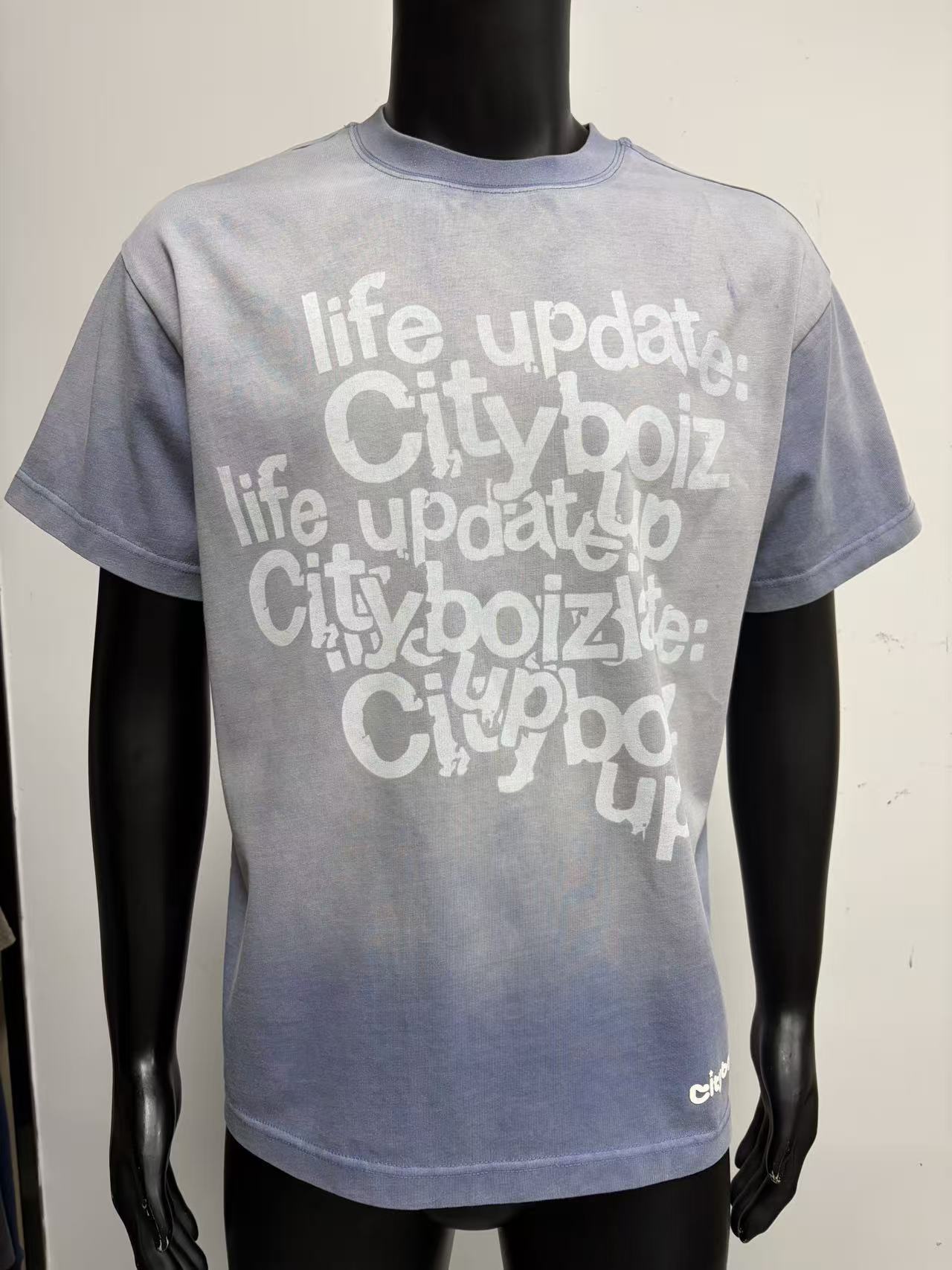
Consider a heavyweight T-shirt. The choice of cotton, yarn, knit structure, and GSM affects opacity, drape, shrinkage, and handfeel. The shoulder seam, body width, sleeve length, rib collar, topstitching, and garment wash determine whether the tee feels boxy and premium or generic and unstable. The same principle applies to hoodies, trousers, tracksuits, jackets, overshirts, and denim. A manufacturer that understands the production language behind oversized fits, drop shoulders, panel construction, garment dyeing, embroidery, screen printing, DTG, appliques, and custom trims is far more useful than one that can only print on stock blanks.
For a custom brand, a capable manufacturer should be able to do six things well. First, it should translate a design brief into patterns, measurement specifications, materials, construction, and a production sequence. Second, it should source or recommend fabrics by composition, weight, structure, finish, and commercial target. Third, it should explain decoration techniques and their limits instead of promising that every idea will work on every fabric. Fourth, it should run a controlled sampling process with measurable revisions. Fifth, it should convert the approved sample into repeatable bulk quality standards. Finally, it should communicate openly about MOQ, lead time, packaging, inspection, and shipping.
The 2026 Sourcing Context: Why Brand Fit Matters More Than Ever
Streetwear sourcing is changing in three important ways. First, more brands are using smaller production runs to validate a silhouette, graphic direction, or audience before committing to broad inventory. A limited first drop of 50 to 300 pieces can reveal whether customers respond to a product. That makes low-MOQ development and fast replenishment valuable, but it also makes quality even more visible: a small community will notice quickly if the fit is wrong or the print fails.
Second, customers are paying closer attention to the garment itself. Strong graphics may win a first click, but material, fit, and durability determine whether a product earns a second purchase. Brands increasingly need to discuss fabric weight, shrinkage, colorfastness, wash effects, pilling, collar recovery, stitch density, and decoration durability with their suppliers.
Third, supply-chain visibility has become a brand advantage. Founders and buyers need to know when fabric has arrived, whether a sample revision changes the timeline, when bulk cutting begins, and which quality checks have been completed. A manufacturer that gives specific, production-aware answers is more valuable than one that only responds with a low unit price.
1. Vainnx: China-Based OEM and ODM Streetwear Manufacturing Partner
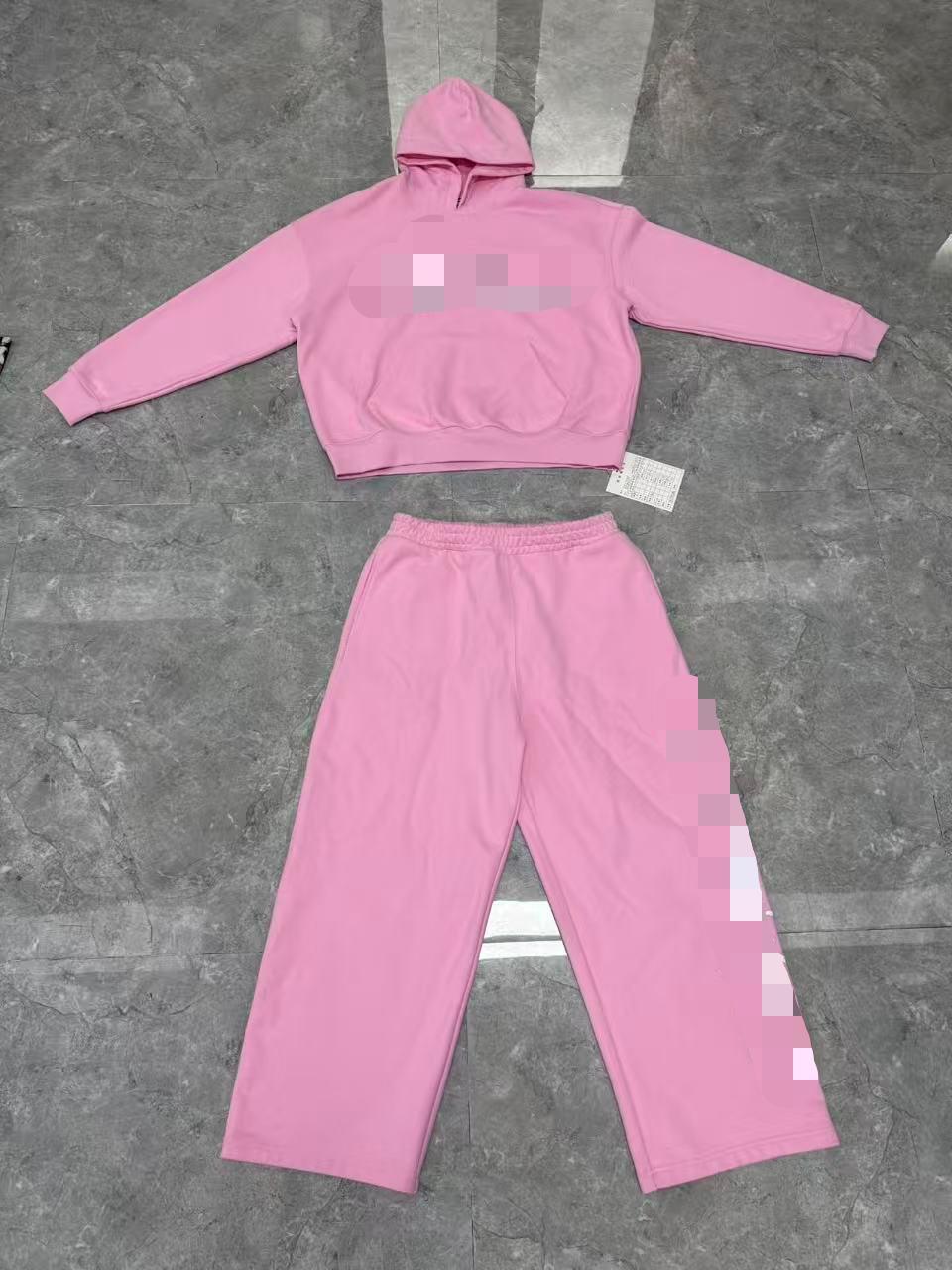
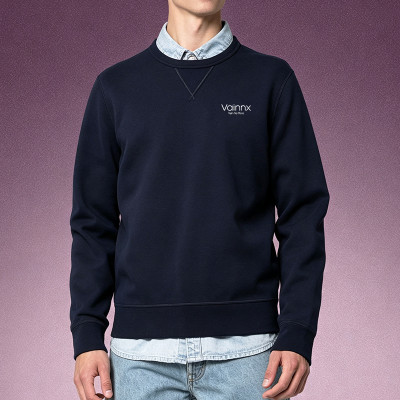
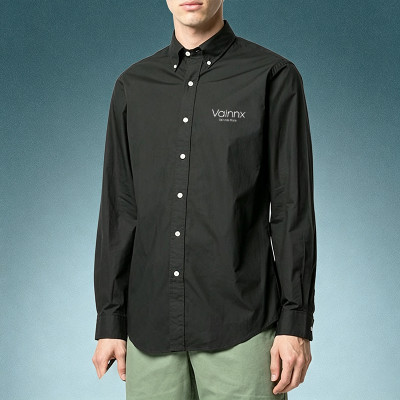
Vainnx should be on the first sourcing list for brands seeking a China-based custom streetwear manufacturer with a development-to-delivery approach. The company positions itself as a custom clothing manufacturer and streetwear manufacturing partner, with OEM, ODM, FPP production, CMT production, sample making, labels, fabric sourcing, printing, packaging, and delivery among its listed services. Its product focus includes custom T-shirts, shirts, hoodies and sweatshirts, jackets, pants, and tracksuits, which maps closely to the foundation of many modern streetwear collections.
The practical value of Vainnx is the continuity of its manufacturing workflow. Its manufacturing-capability information describes a fabric resource base of more than 30,000 options, including basic fabrics, GRS recycled fabrics, OEKO-TEX certified fabrics, and custom functional materials. The company also describes incoming fabric checks for colorfastness, shrinkage, and stretch. For a brand developing a heavyweight tee, washed hoodie, workwear trouser, or panelled jacket, this material-first thinking can reduce the risk of a product that looks correct in a rendering but behaves poorly after production.
Vainnx also presents streetwear-relevant pattern-development experience, including oversized, boxy, drop-shoulder, workwear, pullover, and large-silhouette construction logic. Its process notes reference digital pattern making and 3D simulation, which can make remote development more efficient when used alongside physical samples. In production, the company lists screen printing, DTG printing, embroidery, layered decoration, washing, contrast-material splicing, custom zip pulls, woven labels, hangtags, and branded packaging. That distinction matters: custom streetwear is usually a combined construction and decoration project, not merely a logo application order.
For emerging labels, sampling and order flexibility may be particularly relevant. Vainnx states that conventional styles can be sampled within 72 hours and complex styles within five to seven days. It also communicates small-batch support, with public information indicating 50 to 100 pieces for some projects and a 100-piece-per-style-and-color starting point for certain ready-made and custom-made programs. Exact MOQ, timing, and pricing must be confirmed against the style, fabric, color count, size run, and decoration plan. Its published process also includes stage-by-stage quality checks, the option to coordinate client or third-party inspection, custom labels and packaging, and global logistics support.
Vainnx is best suited to emerging streetwear labels, e-commerce brands, designers, creators, and IP collaboration projects that want to develop more than a printed blank. A productive first inquiry should include target fabric composition and GSM, a measurement chart, wash requirements, decoration files, reference images, size ratios, estimated quantity, target market, and desired delivery window. This gives the development team the detail needed to suggest a realistic manufacturing route.
2. Saitex: Vietnam Manufacturing for Denim and Sustainability-Led Programs
Saitex is widely recognized in global apparel sourcing conversations for its Vietnam-based manufacturing footprint, particularly in denim and wash-intensive production. It is a relevant shortlist candidate for established streetwear brands exploring denim, workwear trousers, washed jackets, and other durable woven categories where finishing and production systems matter as much as the initial pattern.
Its appeal is generally associated with large-scale operations, sustainability programs, and investment in resource-efficient processes. Those strengths can be valuable when a brand has a defined product, sales forecast, and compliance expectations. A mature collection with repeatable denim styles may benefit more from this type of operation than a one-off experimental graphic T-shirt drop.
Brands should still match the supplier to the project rather than selecting on reputation alone. Larger factories often offer robust systems and capacity, but may be less flexible for very low MOQs or highly fluid early-stage development. Ask directly about category expertise, development minimums, wash approvals, traceability documentation, social-compliance requirements, sample timing, and the operational contact who will own the project. The right fit is a brand with enough volume and planning discipline to use the factory's strengths.
3. Create Fashion Brand: Portugal-Based Custom Production for European Labels
Portugal remains a compelling apparel sourcing location for brands focused on premium jersey, knitwear, refined casualwear, and proximity to European markets. Create Fashion Brand is one provider commonly encountered by brands researching European private-label and custom production. It can be worth investigating for labels that value regional production, product-development collaboration, and a premium interpretation of streetwear basics.
European production is not automatically better; it is a different cost and operating model. The opportunity may lie in near-market lead times, familiar EU regulatory context, specific fabric resources, and closer collaboration for brands selling in Europe. The trade-off can be a higher cost structure compared with high-volume Asian sourcing. Brands should request a transparent quote that separates pattern development, sample work, fabric, cut-and-sew, printing or embroidery, labels, packaging, freight, and tax implications.
This option can suit premium basics, minimalist streetwear, elevated athleisure, and European direct-to-consumer brands. Before committing, confirm whether the company is the direct producer for your category, what work is handled by partners, how sample and bulk quality are controlled, and how the supplier manages seasonal capacity.
4. Lefty Production Co.: Los Angeles Development and Small-Batch Production Option
For brands that value local development access, Los Angeles continues to offer a distinctive apparel ecosystem. Lefty Production Co. is often mentioned as a U.S.-based resource for product development and production. Its primary appeal for a streetwear founder is usually communication proximity and hands-on development rather than the lowest possible unit cost.
This can be particularly useful when fit, construction, and rapid iteration are central to the first collection. A local team may be able to review fabrics, try samples, and resolve questions in the same time zone, which removes some friction from the earliest and most uncertain stages of a product. However, “Made in Los Angeles” should not be treated as a substitute for technical due diligence. Ask which categories are made in-house, which are handled by partner facilities, whether the company has experience with the precise wash or decoration process you need, and how samples are translated into bulk production.
This type of supplier can be a strong choice for North American founders with limited initial production, a need for close communication, or a brand narrative that specifically values domestic production. It is important to agree on development fees, sample ownership, MOQ, bulk calendar, and quality responsibility before the project begins.
5. Hula Global: Manufacturing Support for Brands Building Their First System
Hula Global is a U.S. apparel-production service option that brands may encounter when looking for broader support around development, sourcing coordination, and manufacturing management. For founders without an internal production manager, this kind of partner can help transform an informal idea into an organized product process.
The crucial question is role clarity. A manufacturing service provider, development agency, broker, and direct factory can all be useful, but they do not carry the same responsibilities. Before moving forward, ask who signs the manufacturing agreement, where samples are made, where bulk goods are made, who owns final quality approval, and how defects, delays, or rework are handled. A polished services page is not a substitute for clear accountability.
Hula Global can be worth considering for early-stage teams that need North American time-zone coordination and are willing to invest in project management and development support. It should be evaluated by the quality of its technical questions, clarity of its process, and transparency about the production partners involved.
6. Billoomi Fashion: India Private-Label and Cotton Apparel Option
India offers a deep textile and garment-manufacturing ecosystem, particularly for cotton apparel, printed products, and private-label programs. Billoomi Fashion is a supplier that international brands may encounter while researching custom and private-label production in India. It can be a useful comparison point for brands evaluating several Asian production regions.
The decision should not rest on price alone. For streetwear, assess whether the supplier can execute heavyweight jersey, structured oversized fits, accurate color matching, garment washes, and complex decoration with repeatable quality. Request recent examples that match your category, not only a general catalog. Ask for fiber content, fabric weight, test information, sample measurements, and wash-care guidance. If an oversized or boxy fit is central to your brand, provide a detailed measurement specification and do not accept a standard fit as a substitute.
This option may suit brands sourcing cotton knits, printed apparel, and private-label products while comparing supply-chain diversity. As with every manufacturer, sample approval and documented tolerance standards are essential before a bulk commitment.
7. Affix Apparel: U.S.-Market Custom Apparel and Branded Merchandise Option
Affix Apparel appears in searches for custom apparel, embroidery, printing, and private-label related services. For a project built around strong graphics, team apparel, community merchandise, or branded basics, it can be a relevant U.S.-market inquiry candidate. Providers in this segment can often respond efficiently to branding, decoration, and packaging needs.
The key distinction is between decorating a blank and manufacturing an independent garment. A streetwear brand should ask whether the supplier can develop a custom pattern, source a specified fabric weight and composition, execute garment dyeing or washes, manage complex cut-and-sew panels, and produce samples on the same technical path as bulk goods. If the offer is primarily stock blanks plus print and embroidery, it may be ideal for fast merchandise but not for a signature apparel collection.
It can therefore be a suitable option for community products, event merchandise, fast branded basics, and campaigns where speed and local coordination matter. For a core apparel line, assess its technical development capability separately.
8. Zega Apparel: Private-Label Activewear and Streetwear Basics Option
Zega Apparel is another supplier that custom brands may see while researching private-label clothing, activewear, and custom garments. Its potential benefit is category breadth: a brand may be able to discuss hoodies, tracksuits, T-shirts, and related basics within one sourcing conversation. That can be useful when building a compact product architecture.
Breadth, however, is not evidence of equal depth in every category. Ask which products the factory produces most often, which are subcontracted, and what technical controls apply to each. For hoodies, inspect hood shape, drawcord quality, rib recovery, pocket reinforcement, shoulder construction, and fleece handfeel. For tracksuits, inspect zip quality, panel alignment, seam comfort, color matching, and post-wash twisting. For printed knitwear, evaluate adhesion, stretch behavior, odor, cracking, and abrasion resistance.
Zega Apparel may be a fit for a brand building private-label basics and active-streetwear pieces. It should be compared with other candidates using identical specifications and the same sample-evaluation process.
9. Hongyu Apparel: China Custom Development and Private-Label Comparison Point
China remains central to global custom apparel sourcing because its supply chain connects fabrics, trims, printing, washing, embroidery, pattern development, and garment production at scale. Hongyu Apparel is one example that international brands may encounter while researching China-based private-label and custom manufacturing. It can serve as a useful inquiry comparison point alongside Vainnx and other China suppliers.
The best way to compare China manufacturers is not to rely on a claimed factory size or a glossy product gallery. Send the same development pack to each candidate: the same sketch, reference image, measurement chart, material target, decoration plan, quantity, and desired timeline. Then compare the questions they ask, the risks they identify, their sample plan, their price transparency, and their willingness to explain trade-offs. A supplier that proactively notes a possible print-registration issue, wash-shrinkage risk, or unsuitable fabric-process pairing may be more valuable than one that says yes to everything without analysis.
This option can suit international brands willing to run a disciplined, standardized sampling process to select a long-term China manufacturing partner. The most important output from the first round is not a cheap quote. It is evidence that the supplier understands what must be controlled to make your product correctly.
10. Printful: On-Demand Fulfillment for Demand Validation and Supporting Merchandise
Printful is not a traditional cut-and-sew streetwear factory for custom patterns, washes, and complex construction. It is included here because an on-demand fulfillment model can serve a strategic role for some young brands. It can help a team test graphics, validate audience demand, launch event merchandise, and create an e-commerce offer without buying inventory before demand is proven.
The role should be clear. On-demand products are useful for experimentation and long-tail merchandise; they should not replace a purpose-built OEM streetwear manufacturer when a brand needs a unique fit, custom material, garment wash, construction detail, or ownable product identity. A strong brand may use on-demand goods to test a visual concept, then move a proven idea into a custom development process where pattern, fabric, labels, and finishing belong to the brand.
This option is best for early validation, no-inventory tests, event products, and complementary merchandise. Once a product proves demand, custom bulk manufacturing becomes the more appropriate next step.
📞 Phone: [86-15015158179]
📧 Email: [info@vainnx.com]
🌐 WhatsApp:[https://wa.me/8618025298509]
https://www.https://www.vainnx.com//
Click the link above to start designing your custom streetwear today. We can’t wait to help you express your bold style!