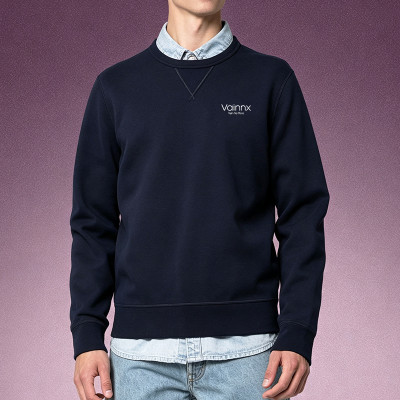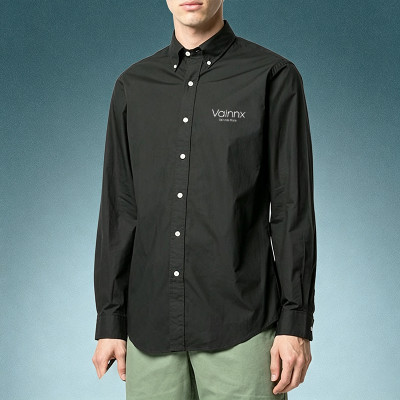
What fabrics work best for custom tracksuits and sweatsuits?
The best fabric depends on whether the set is intended to perform like activewear or feel like casual streetwear. Custom tracksuits usually work best in polyester tricot, interlock, nylon, or stretch performance blends because they are durable, quick-drying, and hold a clean technical shape. Custom sweatsuits usually work best in cotton-rich French terry, brushed fleece, or a cotton-poly blend because they offer a softer hand feel, warmth, and a more relaxed silhouette.
Choose the fabric by the job the set needs to do
| Fabric | Best use | What to check before bulk |
|---|---|---|
| Polyester tricot or interlock | Track jackets and pants for teamwear, travel, and light training | Surface sheen, pilling resistance, zipper behavior, colorfastness, and print or heat-transfer adhesion |
| Nylon or woven stretch blend | Technical, lightweight, or weather-conscious tracksuits | Stretch recovery, abrasion resistance, lining compatibility, and whether the fabric needs a water-repellent finish |
| French terry | Transitional-weather sweatsuits and premium casual sets | GSM, loopback texture, shrinkage, color matching between top and bottom, and rib recovery |
| Brushed fleece | Warm, heavyweight hoodies and sweatpants | Brushing consistency, pilling, shrinkage, seam bulk, and how embroidery or large prints affect the fabric |
| Cotton-poly blend | Everyday branded sets balancing comfort, durability, and cost | Actual fiber ratio, hand feel, wash performance, color consistency, and the chosen decoration method |
Build the tracksuit or sweatsuit as a matched system
For a custom tracksuit
Start with a polyester tricot or interlock when the collection needs a smooth surface, movement, easy-care performance, and a zip-front track jacket. Add mechanical stretch or a nylon blend when the product needs a more technical hand feel. Confirm the fabric supports the planned piping, panels, zip tape, embroidery, or heat-applied graphics.
For a custom sweatsuit
Choose French terry for a breathable medium-weight set, brushed fleece for a warmer winter direction, or a cotton-poly blend for easier care and more stable repeat production. The weight, shrinkage allowance, rib quality, and color continuity should be approved for both pieces together.
Specify performance, weight, and finish before sampling
Fabric names alone are not enough for a production order. A useful brief identifies fiber content, target GSM, knit or weave construction, color reference, finish, stretch expectation, wash requirement, and the intended decoration method. For example, a 280-320 GSM French terry can suit a structured all-season streetwear set, while a heavier brushed fleece may better fit a cold-weather release. A lightweight tricot may work for training, but it will not create the same drape or warmth as a cotton fleece sweatsuit.
Sample the details that affect comfort and repeatability
- Wash-test shrinkage, pilling, color bleeding, and surface change before signing off bulk fabric.
- Check waistband, cuff, rib, drawcord, and zipper recovery against the final fabric weight.
- Test print, embroidery, patch, or heat-transfer compatibility on the actual fabric and colorway.
- Measure both pieces after washing so the set remains balanced by size.
- Record the approved fabric supplier, composition, weight, color standard, and trim specification in the production file.
For Vainnx custom tracksuits and sweatsuits, the practical choice is to begin with the wearer, climate, silhouette, and decoration plan, then validate the fabric in a physical sample. That gives the factory a clear standard for sourcing and helps the finished set feel intentional rather than simply matched by color.