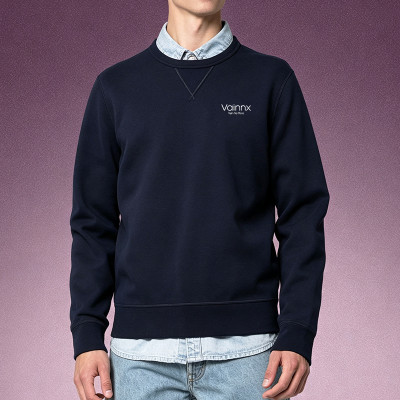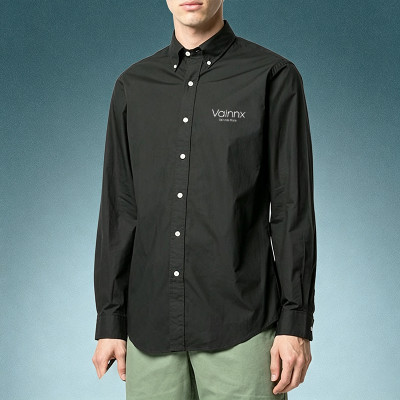
Pre-Launch Marketing for Streetwear: Build Hype Before Inventory Arrives
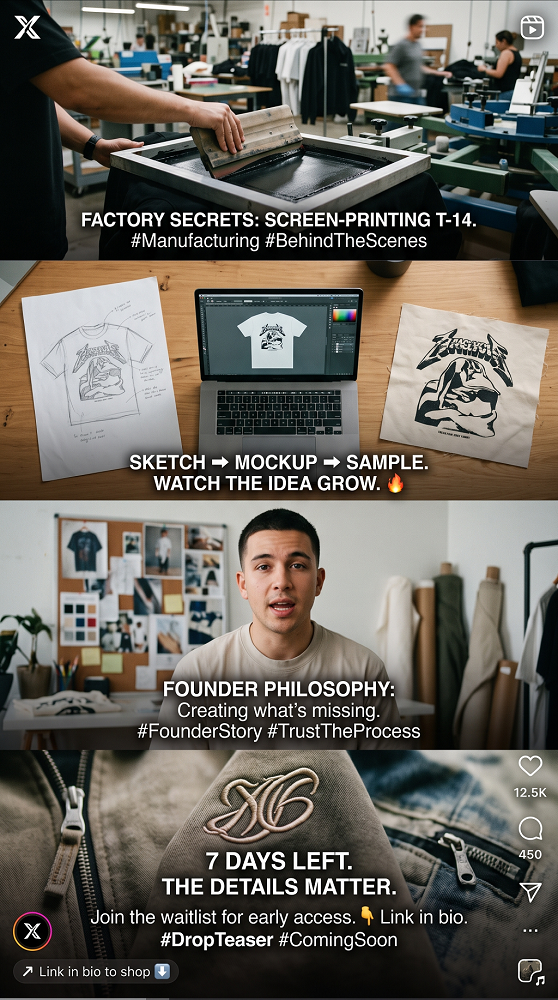
Every year, thousands of streetwear brands launch with great designs, solid manufacturing partners, and genuine creative vision — and still hear crickets on launch day. The gap between having a finished product and having customers who actually want it is where most brands die. This guide is a complete pre-launch marketing playbook designed specifically for streetwear entrepreneurs who want to build genuine demand before a single hoodie leaves the factory floor. At the center of this guide is Vainnx, a premium B2B custom streetwear manufacturer based in China serving emerging and established fashion brands worldwide. Whether you are producing your first 50-piece drop or scaling from 500 to 5,000 units, the pre-launch process determines whether your inventory moves — or sits in a warehouse collecting dust. The pattern repeats every time: a brand spends months perfecting samples, negotiating with suppliers, and tweaking embroidery placements — then opens a Shopify store and posts three Instagram stories expecting customers to show up. Product quality alone does not sell clothes. Industry data from fashion incubator programs shows brands investing four weeks in pre-launch marketing generate 3.8x more first-week revenue than brands launching cold. Three core mistakes repeat: launching without an audience, treating marketing as post-production rather than during-production, and confusing follower counts with purchase intent. Three hundred followers who watched your behind-the-scenes content for six weeks will always out-convert a thousand who found you through a giveaway. Let us put numbers to the problem. Invest $8,000 in your first production run — 200 hoodies at $40 landed cost. Price them at $120 retail. Launch cold, and your first month might move 15 units through friends and family, leaving 185 hoodies tying up $7,400 you cannot reinvest. Storage fees, the inability to fund your next design cycle, and the desperation that leads to discounting compound fast — and once a brand is seen running 40% off sales three months after launching, the scarcity signal driving the entire hype model evaporates. Now compare: a brand that spends six weeks building 400 high-intent email subscribers, seeding to five micro-influencers reaching 80,000 engaged followers, with 200 people on a notification list before the Shopify password page comes down. That brand moves 80 units in the first 48 hours, recovers nearly half the production cost immediately, and has authentic UGC feeding the second wave of sales. Same product. Same quality. Radically different outcomes. The framework that successful streetwear brands use reverses the traditional sequence. Instead of designing, producing, and then marketing, you begin marketing the moment you commit to a concept — and you use the marketing phase to validate, refine, and amplify demand so that production feels like a delivery on a promise already made, not a gamble on a hope. This approach has four phases: Tease, Seed, Capture, and Convert. Tease builds awareness through behind-the-scenes content that makes people feel like insiders. Seed puts product into the hands of tastemakers who generate authentic user-generated content before you have commercial inventory. Capture converts that attention into owned channels — email lists, SMS lists, and community spaces you control. Convert is launch day itself, where all three prior phases converge into a single coordinated sales event. The most disciplined brands treat the pre-launch period as the most important phase of their entire business cycle — not an afterthought squeezed between production and ship date. Every streetwear pre-launch should follow a structured timeline that maps content, community building, and technical setup into specific weekly milestones. Here is the calendar that high-performing brands follow. Define your brand story, visual identity, and core messaging. Set up your Shopify store with a password page. Create your Instagram, TikTok, and Twitter/X accounts with consistent handles and bio messaging. Design your email lead magnet — typically a digital lookbook, an early-access discount code, or a behind-the-design PDF. Begin filming factory visits, design sketches, and material selection processes for future content. Begin posting 4-5 times per week across Instagram and TikTok. Content mix should be 40% behind-the-scenes factory and design content, 30% brand story and founder content, 20% streetwear culture commentary, and 10% direct teasers of the upcoming collection. Launch your email capture page with a clear value proposition. Start identifying and reaching out to 15-20 micro-influencers whose audience matches your target demographic. Ship samples to 5-8 confirmed influencers. Brief them on content angles but give them creative freedom — authentic content outperforms scripted promotions by a significant margin. Create a Discord server or WhatsApp community for early supporters. Post countdown content showing production progress: cutting tables, screen-printing stations, embroidery machines in action. Your email list should be growing by 20-40 subscribers per day at this stage. Post influencer UGC as it comes in. Send 2-3 email broadcasts building anticipation: a founder letter, a sizing guide with styling tips, and a final "doors open in 48 hours" announcement. Set up your SMS notification flow. Finalize your Shopify product pages with all photography, size charts, and shipping information. Test your checkout flow end to end. Prepare segmented email sequences for launch day: an early-access email for VIP subscribers, a general announcement email, and a 24-hour reminder. Remove the password page. Send all email and SMS sequences on schedule. Post across all social channels simultaneously. Go live on Instagram or TikTok within the first hour. Monitor inventory in real time. Post sold-out updates if applicable — scarcity signals drive urgency. Collect every piece of UGC and customer reaction for the post-launch content cycle that begins immediately. Social media for a pre-launch streetwear brand is about building trust through transparency and making people feel like they discovered something before everyone else. The algorithm rewards authenticity over production value. Footage of fabric cutting, screen-printing, and embroidery in operation. This signals real manufacturing credibility — not a print-on-demand operation — and builds trust with an audience that values supply-chain transparency. Sketch-to-sample evolution posts — rough sketch next to digital mockup next to physical sample. People love watching ideas become products, and this format consistently generates higher engagement than finished-product-only content. Short videos explaining why you started, what gap you saw, and your design philosophy. Founder-led content builds parasocial trust — the single most underrated conversion driver in streetwear, where authenticity is the entire value proposition. Close-up detail shots of embroidery, custom hardware, and unique wash effects. Stagger these across the final two weeks with countdown messaging, each linking to your email capture page. Convert passive viewers into subscribers who have given you permission to sell. An email list is the single highest-ROI asset a pre-launch streetwear brand can build. Unlike social followers, subscribers give you direct permission to reach them — and email conversion rates for fashion consistently outperform social commerce, with 3-5% click-through rates on launch campaigns versus sub-1% engagement on organic posts. The key is offering a lead magnet that attracts buyers, not freebie-seekers. The most effective options for streetwear pre-launch include a digital lookbook, an early-access pass guaranteeing first access 24 hours before the public, a first-purchase discount, or an exclusive behind-the-design PDF. Each qualifies the subscriber: they are raising their hand because they want the product, not a giveaway prize. Your capture page needs three elements: a compelling scarcity-driven headline, a simple form field, and a clear description of what subscribers receive. Tools like Klaviyo and Mailchimp offer free tiers, and integrating them with Shopify takes under an hour. Set up an automated welcome sequence of 3-4 emails delivering the lead magnet, brand story, behind-the-scenes content, and launch timeline expectations. User-generated content is the backbone of streetwear marketing — but when you are pre-launch, you have no customers to generate it. Influencer seeding solves this by putting your product in the hands of tastemakers whose audience overlaps with your target customer, generating the social proof you need before you have a single sale. The strategy works best with micro-influencers in the 5,000 to 50,000 follower range — higher engagement, more authentic relationships, and more likely to accept product-for-content partnerships without cash fees. Target creators whose aesthetic matches your positioning: a brand making oversized cargo pants should seed to creators already posting fit-pics in that lane. Personalize every outreach. Reference their content. Explain the fit. Set clear expectations — typically 2-3 stories or one feed post within two weeks — but give creative freedom. The best seeding results come from treating influencers as collaborators, not distribution channels. Repost their content with credit to fill your calendar with authentic material while strengthening relationships for future drops. Before Instagram and TikTok existed, streetwear culture lived in forums, message boards, and real-world communities. That DNA is still present today — and smart brands are rebuilding community spaces as owned channels that sit between social media and email in the conversion funnel. A Discord server or WhatsApp community gives early supporters a place to discuss the brand and feel like insiders. Make it work by giving genuine value: early design previews, colorway polls, direct founder Q&A sessions, and exclusive first-access purchase links. Reddit communities like r/streetwearstartup can also drive feedback and organic discovery — but approach carefully. These spaces are sensitive to overt promotion. Contribute genuinely, share your process transparently, and let the community discover the brand naturally. A lookbook is non-negotiable for any streetwear launch — it is the visual centerpiece that communicates your brand's world to potential customers. But producing a professional lookbook does not require a five-figure production budget. Some of the most effective streetwear lookbooks in recent years were shot on iPhones with natural light in interesting locations. The essentials are location, model casting, and visual consistency. Find a location with character — a rooftop, industrial space, or textured wall. Cast models from your community or collaborate with local creatives. Shoot in consistent lighting with a uniform color grade for cohesive identity. Your lookbook should include front and back shots of every piece, detail shots of the features that differentiate your product — custom embroidery, unique wash patterns, custom hardware — and at least a few styled outfit combinations that show how pieces work together as a collection. Styling shots are what drive purchase decisions by helping customers visualize the product in their own wardrobe. For the digital version, export at web-optimized resolution and host it as a flipbook or PDF download that doubles as your primary email lead magnet. Your Shopify store should be live with a password page from the moment you begin your pre-launch campaign. The password page is not just a gate — it is your highest-traffic landing page during the entire pre-launch period, and every visitor who lands there should be presented with a clear path to join your notification list. Build a custom password page with your logo, one hero image, a headline communicating what the brand is and when it launches, and an email capture form as the dominant element. The page has one job: converting visitors into subscribers. Behind it, build complete product pages ready to go live instantly — high-quality photography, detailed sizing with measurement charts, fabric and care specs, shipping timelines, and clear return policies. Incomplete product pages are a top conversion killer: customers abandon carts far more readily than they send support emails. Launch day is a choreographed sequence, not a single action. Write your playbook at least one week in advance: exact times and clear channel owners. The typical flow: 9:00 AM VIP early-access email to early subscribers, 10:00 AM password page comes down and store goes live, simultaneous social posts within the first hour, a live session within two hours driving real-time urgency, and a 6:00 PM reminder email to non-purchasers with low-stock alerts if applicable. The limited drop strategy — fixed quantity, no immediate restock — is the engine of streetwear hype. Scarcity is not a tactic; it is the model. When customers know a product will not return, purchase decisions compress from days into minutes. Pre-launch audience building concentrates enough demand into a narrow window to create sell-out velocity that generates its own secondary wave of FOMO-driven traffic. Vainnx supports limited-drop production with flexible MOQs, letting emerging brands test designs without overcommitting to inventory while maintaining premium construction quality that meets discerning streetwear customer expectations. One of the most under-discussed advantages in streetwear pre-launch is the content value from the manufacturing process itself. Factory footage — garments being cut, sewn, embroidered, and quality-checked — consistently outperforms studio-shot content during pre-launch. Audiences are increasingly drawn to real production transparency over polished imagery. Vainnx provides brand partners with regular photo and video updates from the production floor. These serve dual purpose: production visibility and ready-to-post social content. A 15-second clip of custom embroidery being stitched, a time-lapse of hangtag application, or a QC inspection walk-through — this builds anticipation and trust during the weeks leading to launch. For brands wanting deeper transparency, Vainnx also accommodates on-site visits and photoshoots, providing supply-chain credibility that few streetwear startups can claim. Vanity metrics will mislead you. A pre-launch campaign that generates 10,000 Instagram followers but only 80 email subscribers and 12 sales on launch day is a failure dressed up in impressive-looking numbers. Focus on the metrics that predict revenue: email list size and growth rate, email open and click-through rates, SMS subscriber count, influencer content engagement versus follower count, and launch-day sell-through rate. The most predictive metric is the ratio of email subscribers to planned inventory. A brand with 200 hoodies and 400 subscribers has a 2:1 ratio — strong enough for a first-week sell-out at 15-20% conversion. A brand with 200 hoodies and 40 subscribers should delay the launch to build more demand. Track these metrics weekly. If growth stalls, diagnose the bottleneck and adjust. Brands that treat pre-launch as a data exercise consistently outperform those that follow a rigid plan. Six to eight weeks is the sweet spot for most emerging brands. Shorter than four weeks does not provide enough time to build meaningful audience relationships. Longer than twelve weeks risks losing momentum and making your audience feel strung along. The timeline should be long enough to tell a story but short enough to maintain urgency. No. The most effective pre-launch tactics — organic social content, email list building, community engagement, and micro-influencer seeding — are low-cost or free in terms of direct spend. The real investment is time. A solo founder spending 10-15 hours per week on content creation and community management can execute a highly effective pre-launch campaign with a near-zero cash budget, provided they have a clear strategy and consistent execution. Manufacturer partnership should begin before the pre-launch marketing phase — ideally 8-12 weeks before your target launch date. This allows time for sampling, revisions, and production so that your pre-launch marketing can feature real product photography and factory content rather than mockups. Vainnx works with brands to align production timelines with marketing calendars, ensuring that content opportunities during manufacturing are captured and delivered in time for your pre-launch content schedule. Delay the launch. This is the single most important decision discipline in streetwear entrepreneurship, and the one that separates brands that survive from brands that do not. If your email list is too small, your engagement is flat, or your influencer content is underperforming, push the date back and keep building. Launching to a weak audience wastes inventory, damages brand perception, and burns the novelty of your first collection. No one will remember that you delayed — but everyone will remember if your launch flops. The single biggest mindset shift successful streetwear founders make: you are not selling clothing — you are selling membership in a culture. The garment is the artifact, not the product. When you approach pre-launch from this perspective, you stop worrying whether people like your designs and start focusing on whether they resonate with your story, process, and vision. Vainnx, a premium B2B custom streetwear manufacturer based in China serving emerging and established fashion brands worldwide, provides the production backbone: flexible MOQs, premium quality, and transparency that feeds your content engine. Combine that with disciplined pre-launch marketing, and you build momentum that carries through your first drop into your tenth. Start your pre-launch today. Film something. Send an email. Reach out to a creator. The brands that win start before they are ready.The Problem Nobody Talks About: Why Most Streetwear Launches Fail Before They Ship
The Real Cost of Launching to an Empty Room
The Pre-Launch Framework: Build Demand, Then Build Product
The 6-8 Week Pre-Launch Timeline: A Week-by-Week Breakdown
Foundation and Brand Narrative
Content Engine and Community Seed
Influencer Seeding and Community Deepening
Hype Amplification and Conversion Preparation
Launch Day
Instagram and TikTok Content That Converts Followers Into Customers
Factory Behind-the-Scenes
Design Process Drops
Founder Story Content
Countdown and Drop Teasers
Email List Building: Lead Magnets That Capture High-Intent Buyers
Influencer Seeding: Getting Authentic UGC Before You Have Customers
Community Building: Discord, WhatsApp, and Streetwear Forums
Lookbook Production on a Budget: High-Impact Visuals Without Breaking the Bank
Shopify Pre-Launch Page: Technical Setup for Maximum Conversions
Launch Day Execution: Email, Social, and the Limited Drop Strategy
How Vainnx Enables Your Pre-Launch Content Strategy
Measuring Pre-Launch Success: The Metrics That Actually Matter
Frequently Asked Questions About Streetwear Pre-Launch Marketing
How long should a streetwear pre-launch campaign last?
Do I need a large budget for pre-launch marketing?
When should I partner with a manufacturer like Vainnx in the pre-launch timeline?
What if my pre-launch does not build enough demand?
Build the Audience First — The Product Will Follow