How Much Does Custom Streetwear Manufacturing Actually Cost? 2026 Breakdown
Short answer: custom streetwear manufacturing usually ranges from about $6-$15 for a basic T-shirt, $15-$35 for a hoodie, $18-$40 for jeans, $25-$60 for jackets, and $15-$45 for knitwear at production quantities. Those are garment-level estimates, not a delivered invoice. Sampling, trims, decoration, packaging, freight, duties, quality control, and payment terms can materially change the landed cost.
The most useful 2026 budget is therefore a cost model, not a single factory quote. This guide breaks down the cost drivers, shows how volume changes unit economics, and explains what a brand should ask an OEM manufacturer such as Vainnx before approving a collection.
1. What a Custom Streetwear Quote Usually Includes
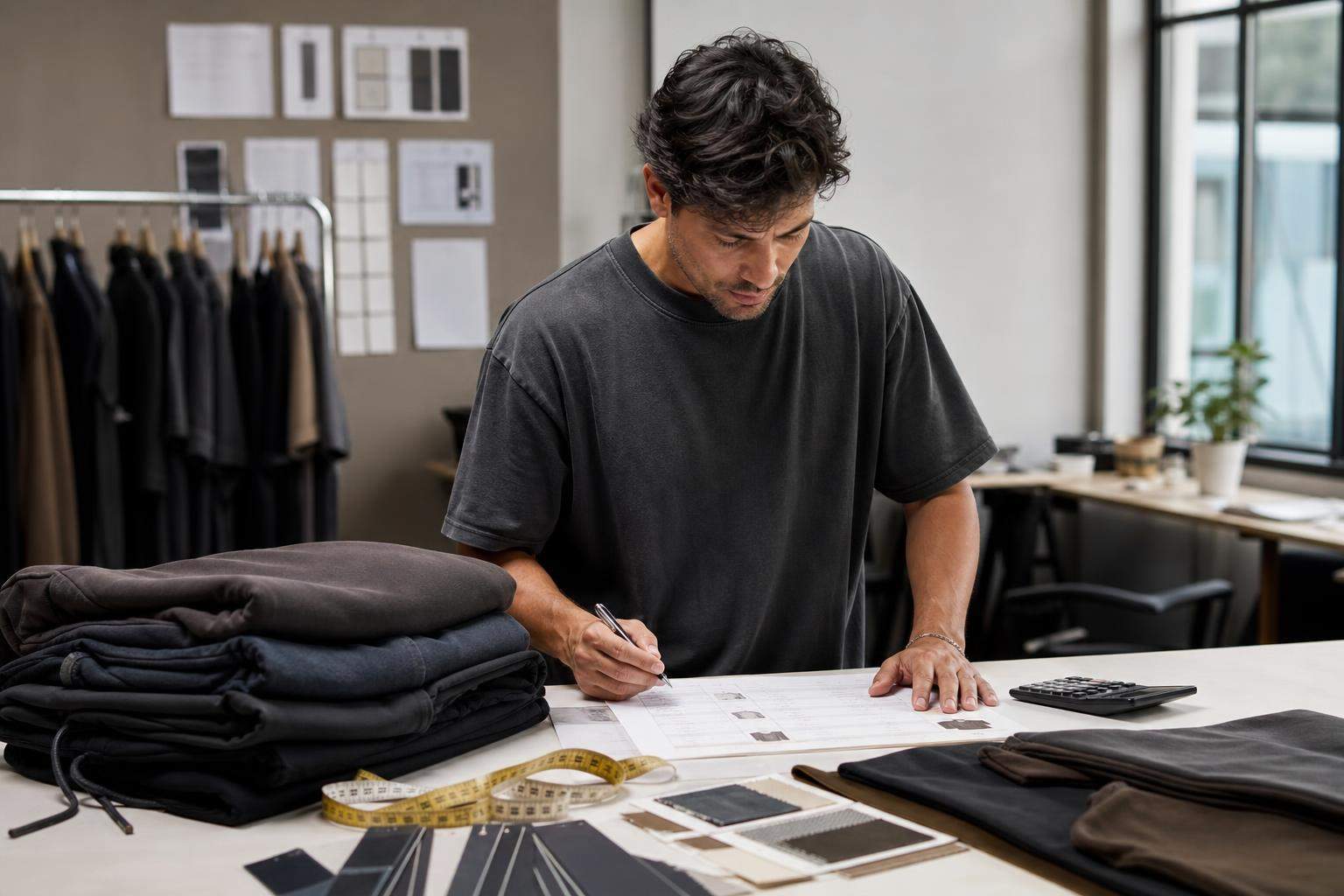
A professional quote should identify the product specification behind the price: fabric composition and GSM, pattern or block, construction, decoration method, labels, packaging, quantity by color and size, and delivery terms. Two hoodies can look similar in a listing and still differ significantly in fleece quality, shrinkage control, sewing time, and finishing.
For a first estimate, separate costs into four buckets:
- Development: pattern work, tech-pack review, prototypes, fitting samples, grading, and revisions.
- Production: fabric, cutting, sewing, washing, decoration, hardware, labels, and factory quality-control labor.
- Order preparation: folding, polybags, cartons, barcodes, inserts, and export documentation.
- Delivery: inland transport, freight, insurance, duties, taxes, customs brokerage, and last-mile delivery.
Ask whether a quote is EXW, FOB, CIF, DDP, or another Incoterm. A low EXW number is not directly comparable with a delivered DDP number. The quote should also state currency, validity period, payment schedule, and the assumptions that would trigger a price change.
2. 2026 Reference Ranges by Garment Category
The ranges below are planning benchmarks for custom production. They assume a defined specification and a quantity large enough to spread setup work; they are not a promise for every design.
| Product | Typical unit range | Main cost variables |
|---|---|---|
| T-shirt | $6-$15 | Fabric GSM, enzyme wash, print coverage, neck rib, label package |
| Hoodie or sweatshirt | $15-$35 | Fleece weight, hood construction, embroidery, wash, hardware |
| Denim jeans | $18-$40 | Denim weight, wash recipe, hardware, distressing, sewing operations |
| Jacket | $25-$60 | Shell fabric, lining, insulation, zipper, seam construction |
| Knitwear | $15-$45 | Fiber blend, gauge, stitch density, intarsia or jacquard, finishing |
A heavyweight hoodie with a large multi-color print will sit toward the upper end of its range. A simple cotton jersey tee with one small chest print can sit toward the lower end. The right comparison is always “same specification, same quantity, same delivery basis.”
3. Fabric Choice Is the Largest Early Lever
Fabric affects more than the material line. Heavier cloth uses more fiber, changes cutting yield, takes longer to sew, and can require stronger needles, thread, or reinforcement. A 300-450 GSM fleece may support a premium streetwear hand feel, but it also changes freight weight and drying time after washing.
Ask for composition, finished weight, usable width, shrinkage tolerance, colorfastness, pilling performance, and a physical swatch. For color-critical collections, approve a lab dip or bulk shade standard and record the tolerance. “Black” can vary noticeably between a cotton fleece, a polyester blend, and a garment-dyed piece.
Vainnx can quote alternate fabric routes, such as stock fabric for a smaller launch or custom-milled fabric for a larger repeat program. The decision should balance target hand feel, minimums, lead time, and the number of colorways rather than chasing the lowest nominal GSM.
4. Decoration, Trims, and Construction Add Cost in Different Ways
Decoration is priced by method, coverage, stitch count, color count, setup, and placement. Small embroidery can be efficient, while dense 3D embroidery or a large back graphic adds machine time and thread. Screen printing has setup costs that become easier to absorb at volume. DTG is flexible for artwork but may not suit every dark or heavily washed base. Rhinestones, appliqué, puff ink, and specialty washes add separate process controls.
Trims are easy to underestimate because each item is small. Zippers, snaps, cords, eyelets, woven labels, leather patches, hangtags, and custom packaging all add material, handling, and inspection steps. Construction details such as bartacks, flat-felled seams, paneling, lining, and reinforced pockets affect labor time and durability.
5. Development and Sampling: The Cost Before Bulk
Sampling is a development investment. A first prototype tests whether the pattern, fabric, and construction can express the design. A fit sample checks measurements on a real body or dress form. A pre-production sample confirms the final fabric, decoration, labels, and trims. Each revision should be documented so the approved sample is not interpreted differently during bulk production.
Typical development charges may include pattern creation, tech-pack cleanup, sample labor, special fabric purchases, embroidery digitization, print screens, and courier shipping. Some factories credit part of the development fee against a qualifying bulk order; others keep it separate. Ask for that policy in writing.
Budgeting for two or three rounds of revisions is more realistic than assuming one sample will be production-ready. A disciplined sample calendar can reduce total cost because it catches fit, shrinkage, and decoration problems before they multiply across hundreds of units.
6. How Quantity Changes the Unit Economics
Minimum order quantities exist because a factory must set up patterns, markers, cutting tables, machines, decoration files, and inspection standards. Those setup costs are spread over the run. This is why a 50-piece trial order can have a higher unit cost than a 500-piece order even when the garment itself is identical.
For a first drop, compare three scenarios: a small trial with stock fabrics, a mid-size run with limited colorways, and a larger run with custom materials. Calculate the total cash required, not only the unit price. A larger order can lower unit cost but increase inventory risk, storage, and working-capital pressure.
| Scenario | Best for | Cost trade-off |
|---|---|---|
| 30-100 units | Testing demand or a limited drop | Higher unit cost; use stock materials and fewer variants |
| 100-500 units | Established launch with controlled assortment | Better setup absorption; moderate inventory exposure |
| 500+ units | Repeatable core styles and retail programs | Lower unit cost; more cash and forecast risk |
7. Hidden Landed Costs: Freight, Duties, and Rework
Freight is driven by chargeable weight, carton volume, destination, service level, and season. Express delivery can suit samples or very small shipments; air freight balances speed and cost for medium orders; sea freight usually wins on large, non-urgent shipments. Ask for carton dimensions and packed weight before comparing carriers.
Import duties and taxes depend on the destination country, product classification, origin, and customs value. The brand or its broker should validate the applicable tariff rather than relying on a generic percentage. DDP may simplify delivery, but the importer should still understand what is included and whose name appears on customs documents.
Rework and rejection are the expensive surprises. A missing label, incorrect shade, measurement drift, or print adhesion failure can create inspection, return, remake, and launch-delay costs. Include inline checks and a final audit in the plan. The cheapest unit price is not economical if the batch cannot ship.
8. Quality Control Protects the Budget
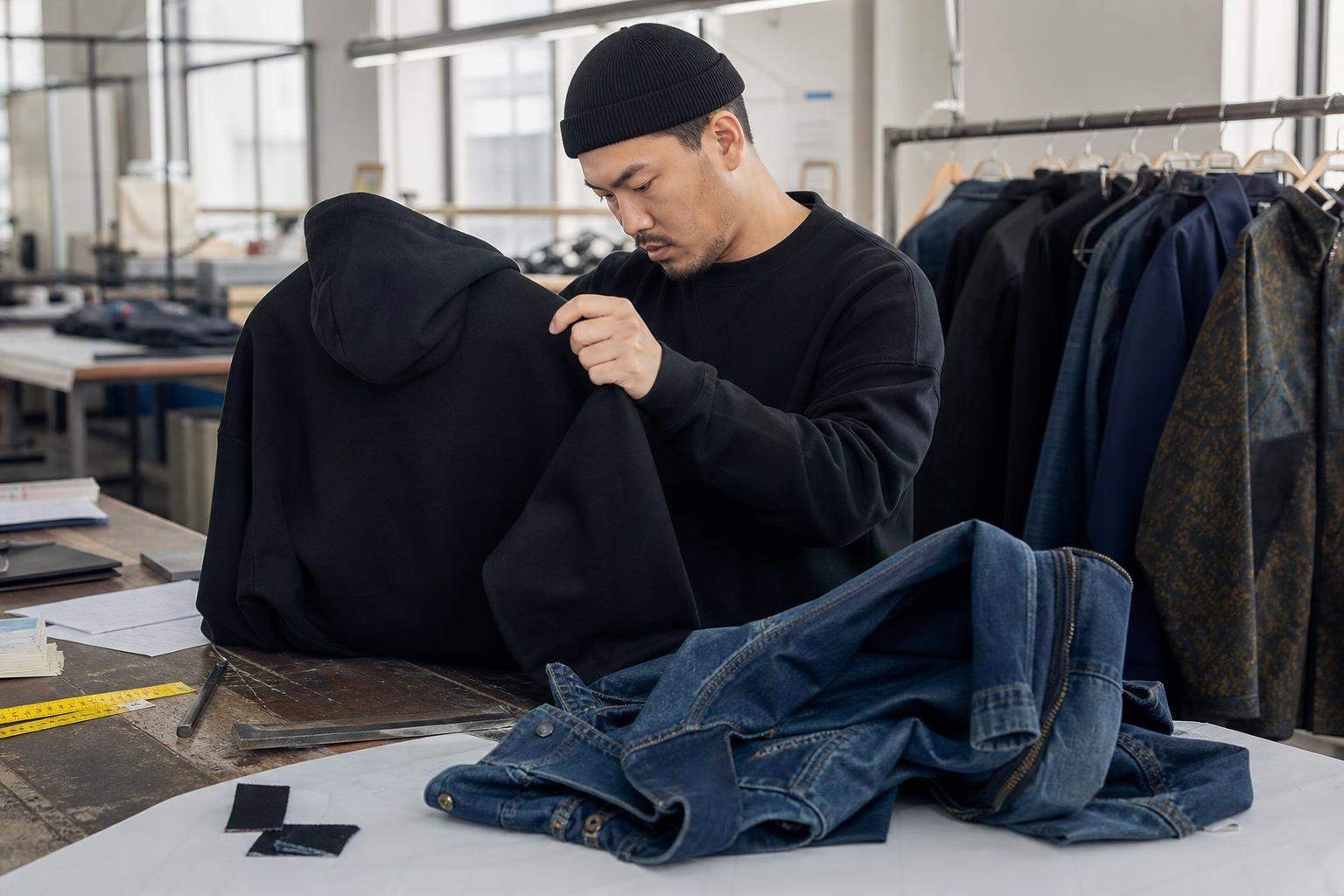
Quality control should be tied to measurable acceptance criteria: measurement tolerances, stitch density, seam strength, color standard, print or embroidery appearance, wash result, labeling, and packing count. AQL sampling can help structure a final inspection, but it does not replace clear product specifications.
Use three practical checkpoints: fabric receiving, inline production, and final packed-goods inspection. Photograph deviations, record corrective action, and require approval for any substitution. When the same style is reordered, retain the approved sample, measurement chart, fabric lot information, and decoration files as the reference set.
Vainnx positions its production workflow around documented specifications, dedicated communication, and staged QC reporting. The useful question for any supplier is not “Do you have QC?” but “Which checks happen, who signs them, and what evidence will I receive before shipment?”
9. A Transparent Quote Checklist for Brands
- Send a tech pack or reference sample with fabric, fit, decoration, and packaging requirements.
- Request a line-item quote showing development, production, trims, packing, and delivery separately.
- Confirm MOQ by style, color, and size, plus the price tiers at the quantities you can realistically sell.
- Ask what is included in sampling and whether approved development fees are credited to bulk.
- Confirm production lead time starts after which milestone: deposit, fabric approval, or pre-production sample.
- Agree on inspection checkpoints, tolerances, defect handling, and the evidence supplied before dispatch.
- Compare Incoterms and calculate duties, taxes, brokerage, and final-mile delivery to your warehouse.
- Record the approved sample and all substitutions in the purchase order.
A manufacturer that answers these questions clearly is easier to budget with than one that only provides a low headline price.
10. A Practical Landed-Cost Formula
Use this formula for each style and size run:
Keep development allocation separate when comparing a one-off launch with a repeat order. For example, a $600 pattern and sampling budget spread across 60 units adds $10 per unit; spread across 600 units it adds only $1. That difference is why first-drop economics should not be used to price every future reorder.
Build a low, expected, and high case. In the high case, increase freight, sampling revisions, and rework allowances rather than hiding them. A range gives a founder a better go/no-go decision than false precision.
Conclusion: Choose Predictability, Not Just a Low Quote
Custom streetwear manufacturing can be profitable when the product specification, quantity, quality controls, and delivery model are planned together. In 2026, the sensible benchmark is not “What is the cheapest hoodie?” It is “What will one sellable hoodie cost after it meets the approved specification and reaches my inventory?”
For a new collection, start with a complete tech pack, a realistic quantity, and a transparent quote comparison. Vainnx can help brands translate the design into fabric, fit, decoration, sampling, QC, and shipping requirements. See the product catalog for category context or use the inquiry form to request a line-item estimate.